

British Cypriot singer Isin Karaca said she was denied entry to Greece and deported from Athens airport after having attempted to go on holiday to the country.
She posted a video on social media in which she said that upon her arrival in Athens, “I was not declared a tourist, I was practically declared an enemy”.
“Do you know what this paper I am holding is, my friends? My entry to Athens has been denied. Why? Because I said ‘how happy is the one who says I am a Turk’ and sang the Izmir Marsi in Komotini. My daughter and husband were allowed to enter, but I, Isin Karaca, have been deported. Thank you. It seems that this is a national issue,” she said.
Karaca had sung the Izmir Marsi during an appearance at a music festival in the northeastern Greek town of Komotini in 2024.
The song’s lyrics refer to the entry of Mustafa Kemal’s forces into Izmir during the Greco-Turkish war in 1922. Shortly after the Turkish forces’ arrival in the city, much of it was on fire.
Izmir had been under Greek rule since it was taken from the Ottoman Empire in 1919, but formally came under the control of Mustafa Kemal’s Grand National Assembly, the predecessor to the Republic of Turkey, on September 9, 1922.
After Kemal’s forces captured the city, its Greek population was evacuated to Greece, with most of that population having lost most, if not all, of their possessions in the fire. For this reason, the song is deemed offensive by many Greeks.
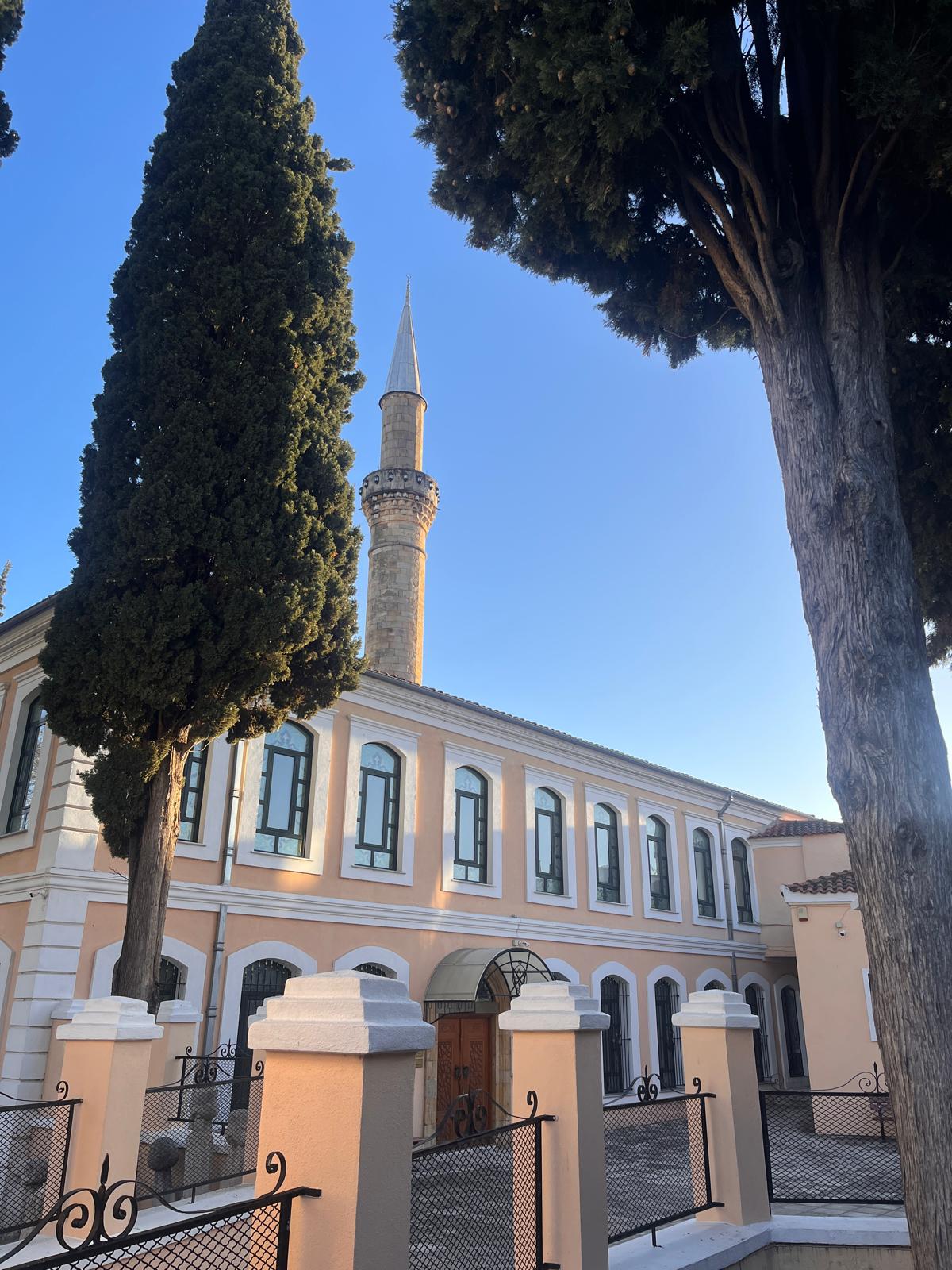
Her most recent arrival in Greece comes at a time of heightened tensions between Greece and Turkey regarding the Western Thrace region, in which Komotini is located.
The region is home to a sizeable Turkish population, having been exempted from the population exchange of the 1920s, and most recently drew international attention last week when the Turkish government accused the Greek government of not respecting the Turkish population’s minority rights.
According to the 1913 Treaty of Athens, native Muslim communities in Greece have the right to elect religious leaders, or muftis. However, the Turkish foreign ministry has claimed that the Greek government has “refused to recognise the muftis elected by the [Turkish] minority” in Greece.
“In recent months, the process of appointing a ‘mufti’ under the guise of an ‘election’, imposed in Didymoteicho without consultation with representatives and institutions of the Turkish minority in Western Thrace, is now being attempted in the regional units of Rhodope and Xanthi,” it said.
Komotini is located in the Rhodope regional unit.
“We cannot accept these practices. On this occasion, we once again bring to the attention of the international community that Greece does not recognise the elected religious leaders of an official minority within its own country,” it said.
It added, “we emphasise that Greece ending its oppressive practices against our compatriots will also positively impact our bilateral relations”, and said that it calls on the Greek authorities “to reverse the erroneous path they are persistently pursuing regarding the Turkish minority in Western Thrace”.
“Turkey will continue to closely monitor the protection of the rights of the Turkish minority in Western Thrace,” it said.
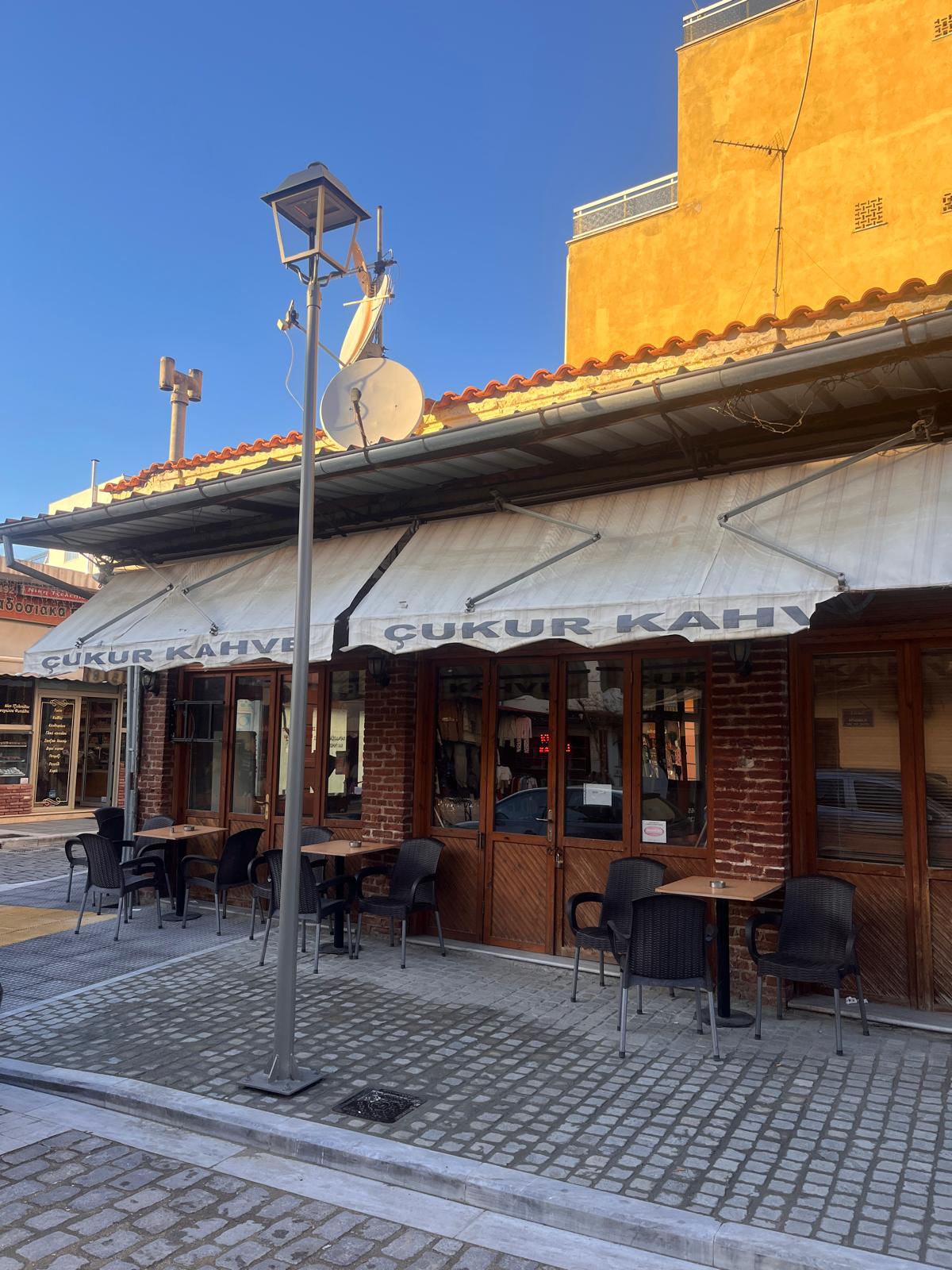
The Greek foreign ministry issued a reply, arguing that the Treaty of Lausanne, signed ten years after the Treaty of Athens, does not stipulate that muftis must be elected, and argued that “given that they are additionally entrusted with judicial and administrative responsibilities”, muftis cannot be elected.
It said that it had instead “provided for the establishment of a committee composed of members of the [Turkish] minority, including women, which evaluates and proposes the most prominent candidates for the position of mufti”.
This process, it said, led to the appointment of a new mufti in Didymoteicho, while the same process is being followed in both Komotini and Xanthi. It also added that “in Turkey itself, the muftis are appointed”.
“Greece, as a European state governed by the rule of law, handles the issues of the Muslim minority in Thrace with absolute responsibility, based on the principles of equality … and above all, ensures the religious freedom of its members,” it said.
Isin Karaca is a British Turkish Cypriot singer, having been born in London to Turkish Cypriot parents in 1973. She represented Turkey at the Eurovision song contest in 2000.





Click here to change your cookie preferences