
The global energy market remains heavily reliant on a small number of maritime chokepoints, with more than 90 per cent of seaborne oil moving through a handful of narrow corridors that leave global flows exposed to disruption, according to the US Energy Information Administration’s updated analysis of world oil transit chokepoints.
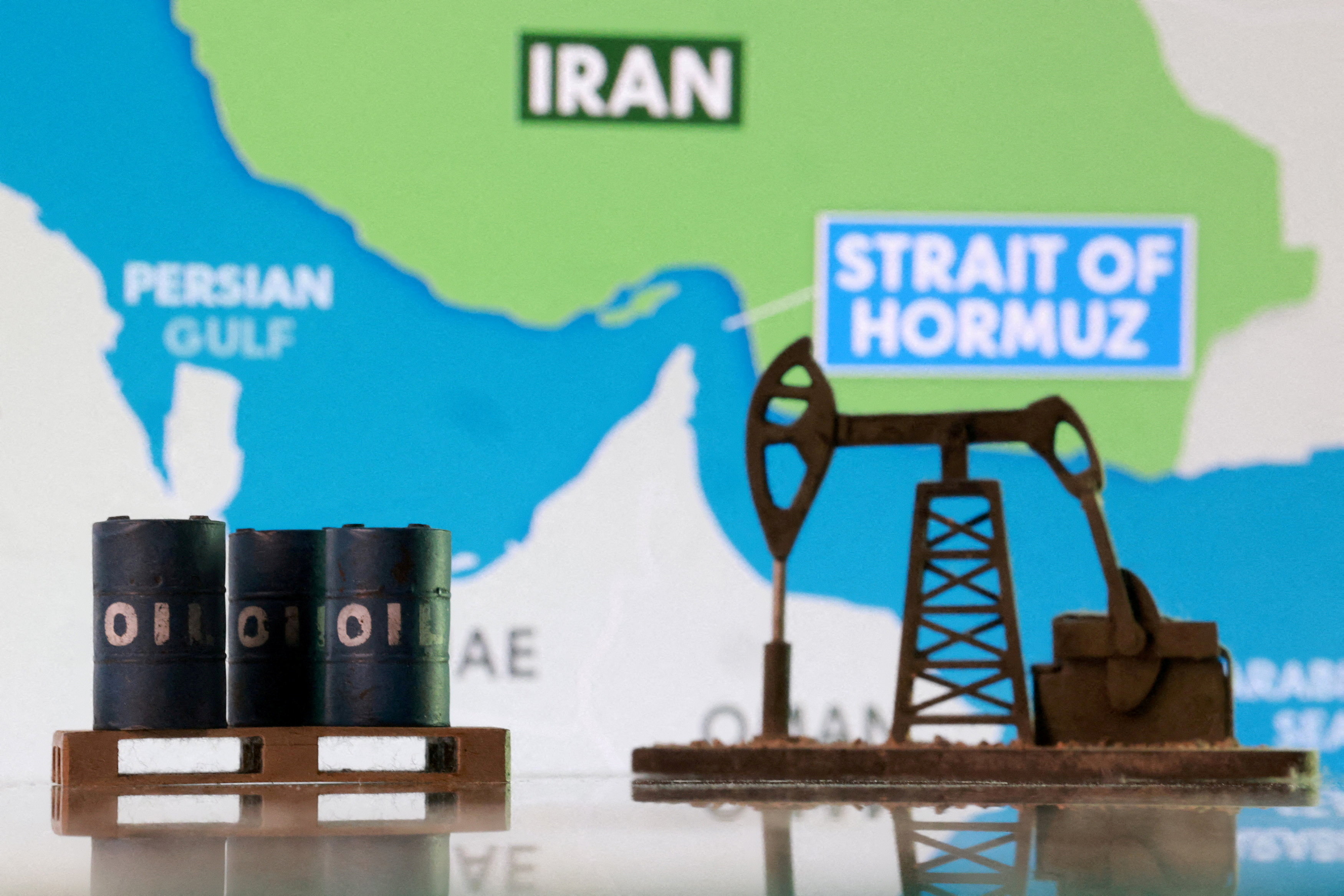
The world’s largest oil flow is recorded in the Strait of Malacca, through which an estimated 23.2 million barrels per day moved in the first half of 2025, while the Strait of Hormuz followed with 20.9 million barrels per day, emphasising its central role in global energy flows and, particularly, exports from the Middle East.
Other major routes include the Cape of Good Hope with 9.1m barrels per day, the Suez Canal and SUMED pipeline with 4.9m barrels per day, and the Danish Straits at a similar level.
The list also includes Bab el-Mandeb with 4.2m barrels per day, the Turkish Straits with 3.7m barrels per day, and the Panama Canal with 2.3m barrels per day.
That concentration means any disruption, whether caused by conflict, piracy, congestion or operational incidents, can quickly feed through to freight rates, insurance costs, delivery times and, ultimately, international energy prices.
The risk is no longer theoretical. In its March 2026 Oil Market Report, the International Energy Agency said the war in the Middle East had brought tanker movements through Hormuz close to a halt, disrupting nearly 20m barrels per day of crude and product exports.
In that sense, energy security no longer depends only on production or reserves, but also on the uninterrupted operation of the maritime gateways that keep global oil trade moving.





Click here to change your cookie preferences