
By Pavlos Loizou, CEO Ask Wire
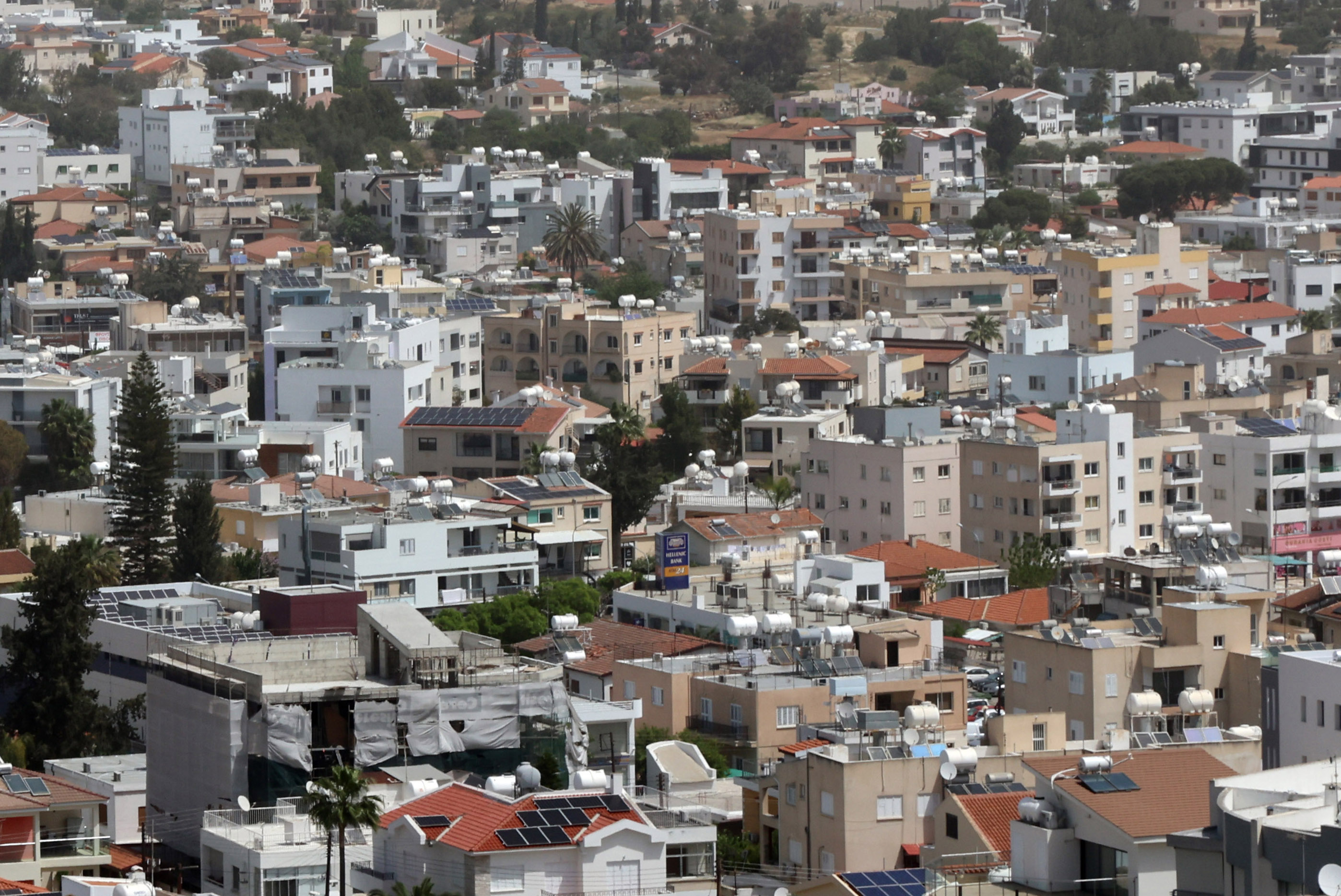
Walk through the centre of Nicosia, Limassol, or Larnaca and the pattern becomes impossible to ignore. Vacant plots sitting idle for decades. Buildings — put up in the sixties and seventies on the back of independence-era optimism — now standing peeling, neglected, quietly deteriorating. And yet, right next to them, rents are rising. In Nicosia, average asking rents for apartments have increased by over 40 per cent in the past four years. The two facts are not a contradiction. They are, in fact, the same story.
The owner’s perspective
The story is about incentives — or rather, the absence of them.
Start with the landlord. In a supply-constrained market, a property will find a tenant almost regardless of its condition. If the house will rent either way, why invest in upgrading it? The return on improvement is uncertain; the cost is immediate and real. So the rational landlord does the minimum. Over time, the rental stock quietly degrades, and nobody is formally accountable for the decline. Short term, the landlord wins. Long term, nobody does.
The tenant’s perspective
The tenant faces the mirror problem. On a 12-month lease with no security of tenure and no legal mechanism to recover improvement costs, spending money on a property you don’t own is simply irrational. So the gap between what needs doing and who will pay for it becomes a black hole — swallowed by neither party.
Idle plots of land
Now scale this up to undeveloped land in urban cores. Cyprus inheritance laws have fragmented ownership across generations, meaning a single plot in central Nicosia may carry ten, fifteen, even twenty co-owners spread across the diaspora. Reaching consensus to develop is costly, legally complex, and slow. Meanwhile, Cyprus abolished its Immovable Property Tax in 2017, removing virtually the only financial pressure to act. The rational choice is to do nothing — and nothing, at scale, means thousands of square metres of developable urban land sitting idle while households compete for whatever stock remains.
The result is a city centre full of gaps: underutilised plots, deteriorating buildings, constrained supply, and rising prices — all happening simultaneously. But this image doesn’t reflect the dramatic market failure. Why? Because the market operates exactly as designed, responding to the incentive structure that exists rather than the one we need.
The fix
The fix is not mediation between landlord and tenant. It is legislation: meaningful holding taxes on undeveloped urban land, longer-term tenancy frameworks that reward investment in condition, and co-ownership mechanisms that make redevelopment legally tractable.
Markets respond to incentives. Right now in Cyprus, the incentive is to wait, hold, and let someone else deal with it.
Nobody is dealing with it.



Click here to change your cookie preferences