
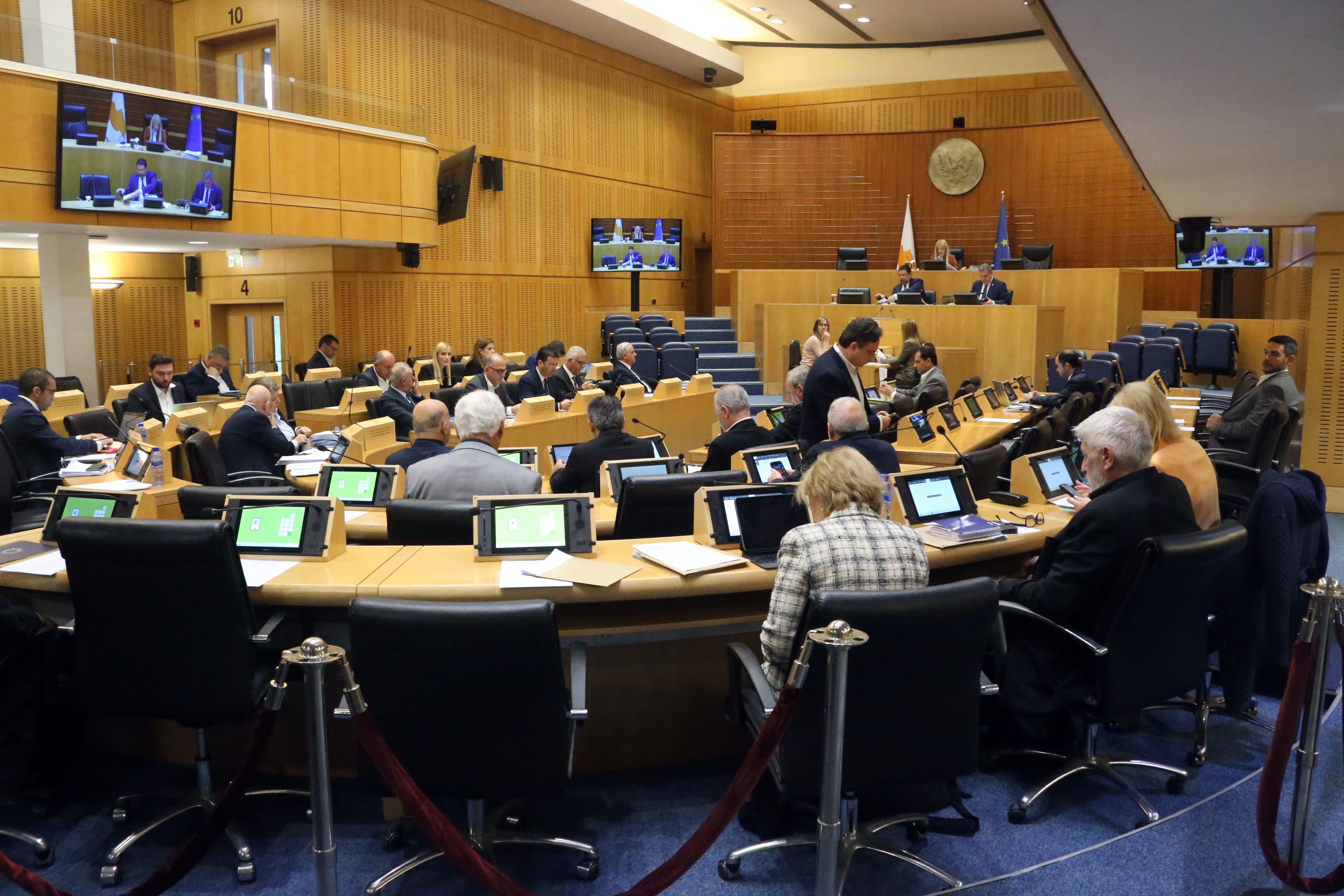
Cyprus’ traditional parties are all set to lose seats at next month’s parliamentary election, according to a poll which was published late on Thursday night.
The poll, which was conducted by Rai Consultants for television channel Alpha, found that the island’s “big two” political parties, Akel and Disy, will remain the largest two parties in parliament following the election, but that both will be returned to the House with fewer seats than before.
While Akel are, according to the poll, projected to win marginally more votes, both parties are forecast to win 13 seats each – a result which would constitute the worst parliamentary election result for both since 1981.
Likewise, Diko, which finished in third place in every parliamentary election since it came second in 1985, looks set for the worst parliamentary electoral result in its 50-year history, forecast to win just five seats and place in sixth.
In their place, newer parties look set to win large numbers of seats, with Elam projected to finish in third place and win nine seats, more than doubling the tally of four seats the party won in 2021.
Direct Democracy Cyprus, founded last year by social media influencer Fidias Panayiotou, looks set to win seven seats at its first electoral test, and is forecast to finish in fourth place.
In fifth place, with six seats, is Alma, which is also heading into an election for the first time, having been founded by former auditor-general Odysseas Michaelides last year.
The seventh and final party which will enter parliament, according to the poll, will be pan-European party Volt, which created its Cyprus wing in 2021. The party is forecast to win three seats.
Given the nature of Cyprus’ presidential political system, the government is not inherently reliant on a parliamentary majority to govern, though concerns may be raised inside the government regarding the chastening nature of the forecast results for the parties which support it.
Diko are the only party of the three which, according to the poll, is set to retain any seats in parliament, with Dipa and Edek facing a wipeout next month.
Edek was founded in 1969 and has never failed to win a seat in the 11 parliamentary elections in which it has stood since then, while Dipa won four seats at its one and only parliamentary test so far, in 2021.
The poll also offered suggestions as to which individual candidates may be elected, with familiar names such as Stefanos Stefanou, Yiorgos Loukaides, Christos Christofides, Nikos Kettiros, Giorgos Koukoumas, and Andreas Pasiourtides of Akel all looking set to return to the House.
A number of new names from Disy look set to enter parliament, with former health minister George Pamborides and former defence minister Charalambos Petrides both looking likely to win a seat in Nicosia, though incumbent House President Annita Demetriou also looks likely to retain her seat.
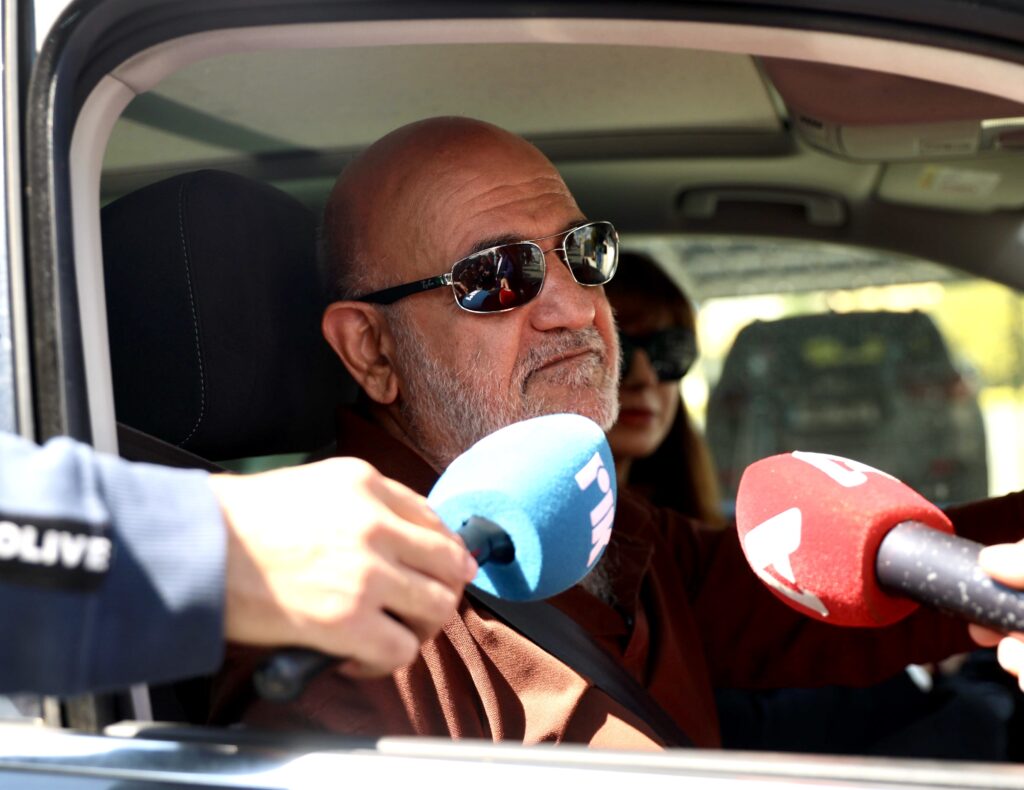
From Volt, meanwhile, Alexandra Attalides, elected on the Ecologists’ Movement’s ticket in 2021, looks likely to retain her seat, while journalist Makarios Drousiotis, who has recently made headlines after making a series of allegations against high-profile figures, may also enter the House.
Additionally, Sophia Vassiliou, the daughter of late president George Vassiliou and former European commissioner Androulla Vassiliou, also appears to be on course to win a seat.
The election will take place on May 24, with a total of 56 seats up for election, including that of Dipa’s George Penintaex, who took his seat in parliament for the first time in December after Marinos Mousiouttas vacated his seat to become labour minister.
Of those 56 seats, 19 will belong to MPs from the Nicosia district, 12 to MPs from the Limassol district, 11 to MPs from the Famagusta district, six to MPs from the Larnaca district, five to MPs from the Paphos district, and three to MPs from the Kyrenia district.
The Paphos district gained an extra seat ahead of May’s election due to the growth in its voting population, with that gain coming at the Nicosia district’s expense.
The Republic of Cyprus’ constitution initially foresaw a parliament with 50 voting members, of whom 35 would be Greek Cypriots and 15 would be Turkish Cypriots, as well as non-voting observers belonging to the Armenian, Latin, and Maronite communities.
Following the breakdown of constitutional order and the outbreak of intercommunal violence in 1963, the Turkish Cypriots were unable to return to their seats in parliament, leaving just 35 voting members.
That figure was raised to 56 Greek Cypriots ahead of the 1985 parliamentary elections after the constitution was altered using the doctrine of necessity. The amendment foresees 24 Turkish Cypriots also being elected, but with the Cyprus problem remaining unsolved, this has not yet happened.





Click here to change your cookie preferences