
Barn owls support the natural biological control of rodents, benefitting both public health and the environment and therefore require special protection, the game and wildlife service said on Tuesday.
“A pair of barn owls can prey on a few thousand rodents per year, thereby reducing crop damage and limiting the need to use chemical rodenticides. In this way, both the environment and public health are protected,” the service said.
Emphasising the crucial role of barn owls in the ecosystem, the game and wildlife service warned that the use of rat poison and similar substances can have serious consequences, affecting non-target species such as the owls and other wildlife.
“In a relevant research carried out by our service in collaboration with the state laboratory, dozens of samples from dead predators were analysed, where remains of rodenticides were found in 80 per cent of them,” it added.
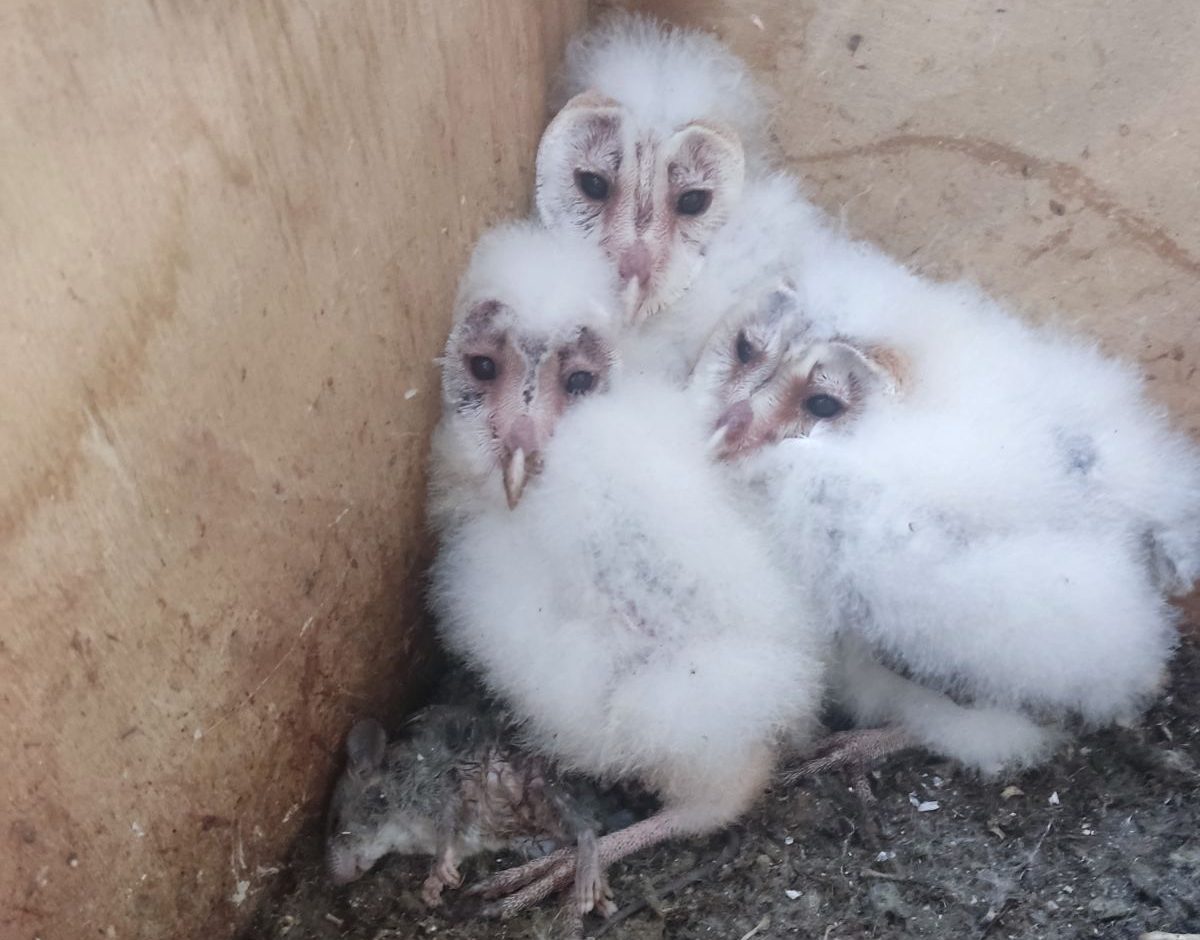
The service said that during a recent inspection of one of the nests, dead rodents were found, thus confirming the species’ continuous and active contribution to rodent population control.
At the same time, the game and wildlife service recorded some barn owl chicks, demonstrating the successful propagation of the species in artificial nests that have been set up for the animals.
“For more than 25 years, the game and wildlife service has been implementing a systematic monitoring and protection programme for the barn owl, a particularly beneficial predatory species for agricultural ecosystems,” the service said.





Click here to change your cookie preferences