
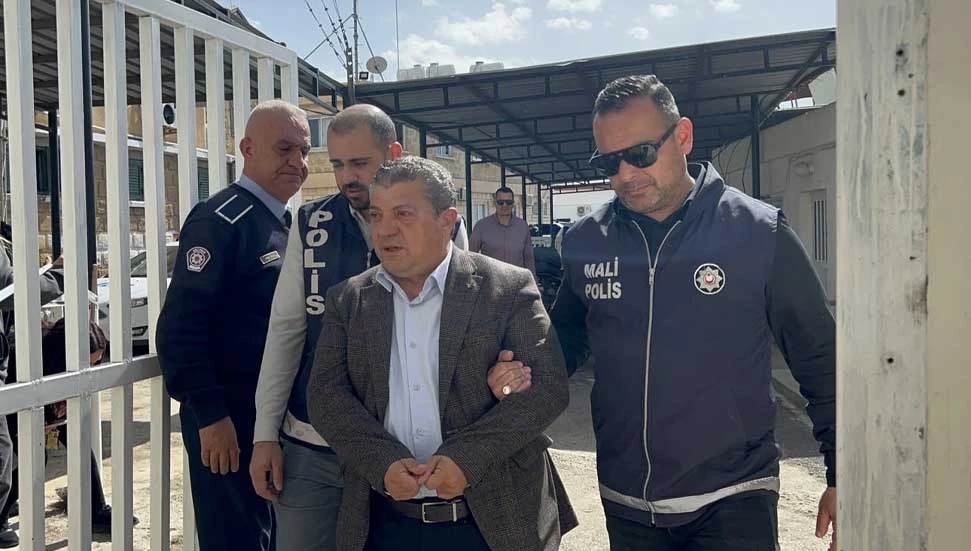
Political and legal figures weighed in on Tuesday over a law passed by the Turkish Cypriot legislature on Monday night which criminalised the naming of high-profile individuals who appear in court accused of crimes.
Turkish Cypriot leader Tufan Erhurman was the most high-profile figure to offer an intervention, saying that he is “closely following discussions” on the matter, and that his office will “consult with all relevant parties and evaluate all opinions”.
“It is known that, in light of these evaluations, if deemed necessary, the presidency will not hesitate to exercise its constitutional powers, as it has done in previous instances,” he said, hinting at the possibility that he may veto the law or send it to the north’s judiciary to question its adherence to the ‘TRNC’s’ constitution.
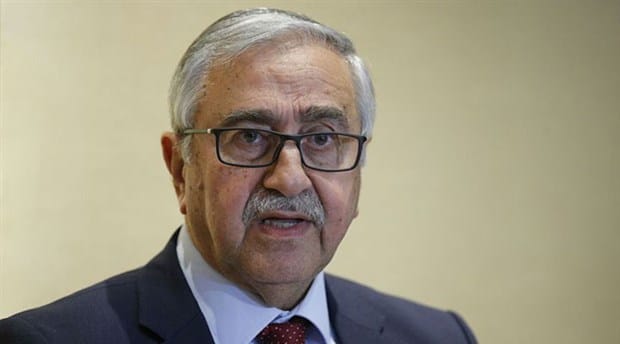
Meanwhile, former Turkish Cypriot leader Mustafa Akinci was less coy than his successor, saying that “one cannot remain neutral on issues such as democracy, human rights, and freedom of the press and expression”.
“Not taking a stand on such matters draws the colour out of matters and fuels an appetite for deep darkness. A society where the press is silenced by fear cannot have a bright future,” he said.
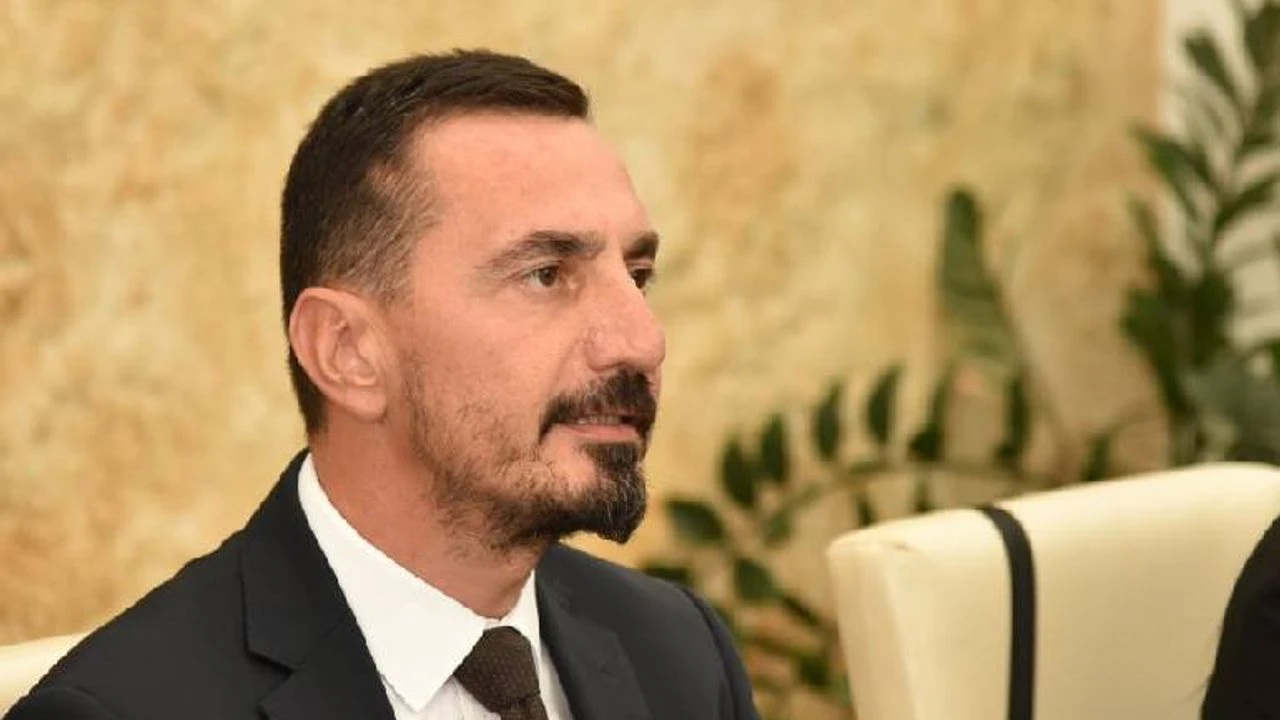
Former judge Tacan Reynar, who is now a high-ranking member of opposition party the TDP, asked of the north’s ruling coalition, “who are you to pass laws which run contrary to the universal ethics rules of reporting and writing?”
“The day will come when we repeal all these laws one by one in parliament, with great pleasure. They will all become null and void, just like you,” he said.
Former Turkish Cypriot chief negotiator for the Cyprus problem Kudret Ozersay, meanwhile, said that “in a period in which corruption, fraud, bribery, and decay have increased and been exposed to such an extent, this law change aims to prevent journalists from writing about these scandals and to prevent the public from knowing the full names or seeing the photographs of those accused”.
“It is very clear that they want to both protect the politicians who will be tried in the near future and to intimidate and silence those who want to inform the public about it,” he said.
Earlier in the day, the Turkish Cypriot media ethics board had warned that the stated reason for the new law’s creation – the protection of the presumption of innocence until proven guilty – has “become a tool which weakens public oversight”.
The new law, it said, “creates a de facto environment of self-censorship by directly threatening journalists with criminal sanctions”.
“Making the practice of news reporting criminally punishable violates not only the freedom of the press but also the public’s right to be informed,” it said, before calling on Erhurman to veto the law.
However, not everyone was against the new law, with Cyprus Turkish bar association chairman Hasan Esendagli expressing his support for it during an appearance on public television channel BRT.
“The courts were out of control. It constitutes a violation of rights to corner people who have been declared guilty before they face trial, exposed, and who have been put in personally difficult situations, in court corridors, and have their photos taken,” he said.
He added that it is “not right to accuse someone who is already on trial”, with the bar association later announcing that it would hold a press conference on Wednesday to “explain” the new law to journalists.
This announcement drew the ire of the Turkish Cypriot journalists’ association, which said it believed the bar association was being “insincere”.
“A legislative initiative of this nature should have been shared transparently with all relevant stakeholders, especially professional press organisations, and their opinions should have been sought before the matter was before the parliamentary committee,” it said.
![Fatma Unal leaving the courthouse in Morphou [Yeniduzen]](https://cyprus-mail.com/wp-content/uploads/2026/01/fatma-unal-leaving-the-courthouse-in-morphou.jpeg)
It added that “the events of the last two days have unnecessarily dragged both journalists and the public into tension”, and that “this clearly demonstrates that the process has not been managed in a healthy or participatory manner”.
As such, it said, its members will not attend the press conference.
“We do not accept the subsequent explanation of processes conducted as faits accomplis … We call upon the Cyprus Turkish bar association to apologise to journalists and to the public and to reverse this erroneous decision,” it said.
The law had been passed by the Turkish Cypriot legislature on Monday.
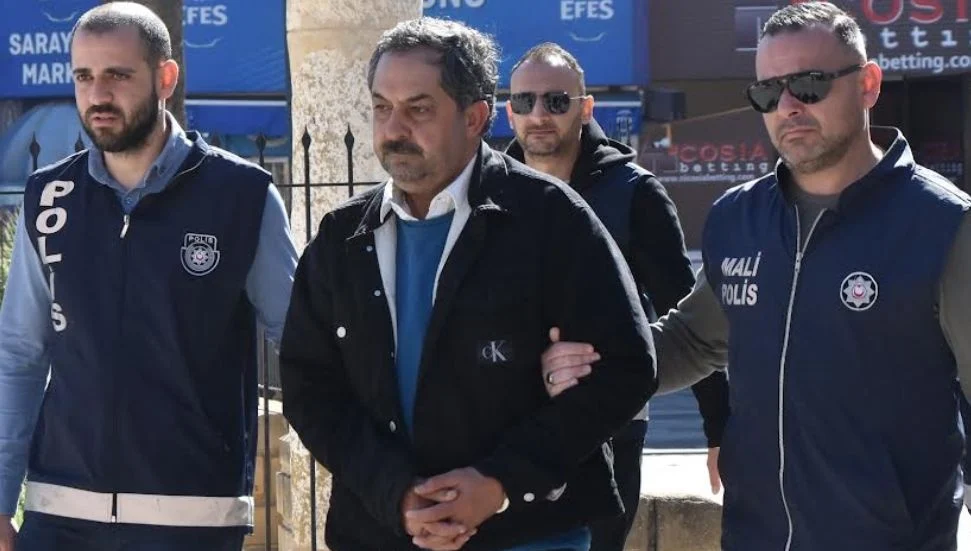
Now, those who do take and publish photographs of suspects in and around courtrooms, or who publish the names of defendants, in the media or on social media, will now be subject to sentences of up to three months in prison or a fine amounting to four times the north’s monthly minimum wage.
At present, the north’s monthly minimum wage is 60,618TL (€1,147), with the fine as such set, for now, at 243,272TL (€4,604).
The law’s passage comes after multiple high-profile figures in the north have appeared in court and been charged with crimes in recent months, including former ‘education minister’ Kemal Durust, former Famagusta police chief Baris Sel, ‘prime minister’ Unal Ustel’s close personal associate Fatma Unal, Ustel’s now former undersecretary Huseyin Cahitoglu, the now former chief of the north’s tender commission Salih Cansec, the son of ruling coalition representative Hasan Tosunoglu, Ugur Tosunoglu, former chairman of the north’s higher education accreditation authority (Yodak) Turgay Avci, and board member Mehmet Hasguler, who is now the chief advisor of ruling coalition party the YDP.



Click here to change your cookie preferences