
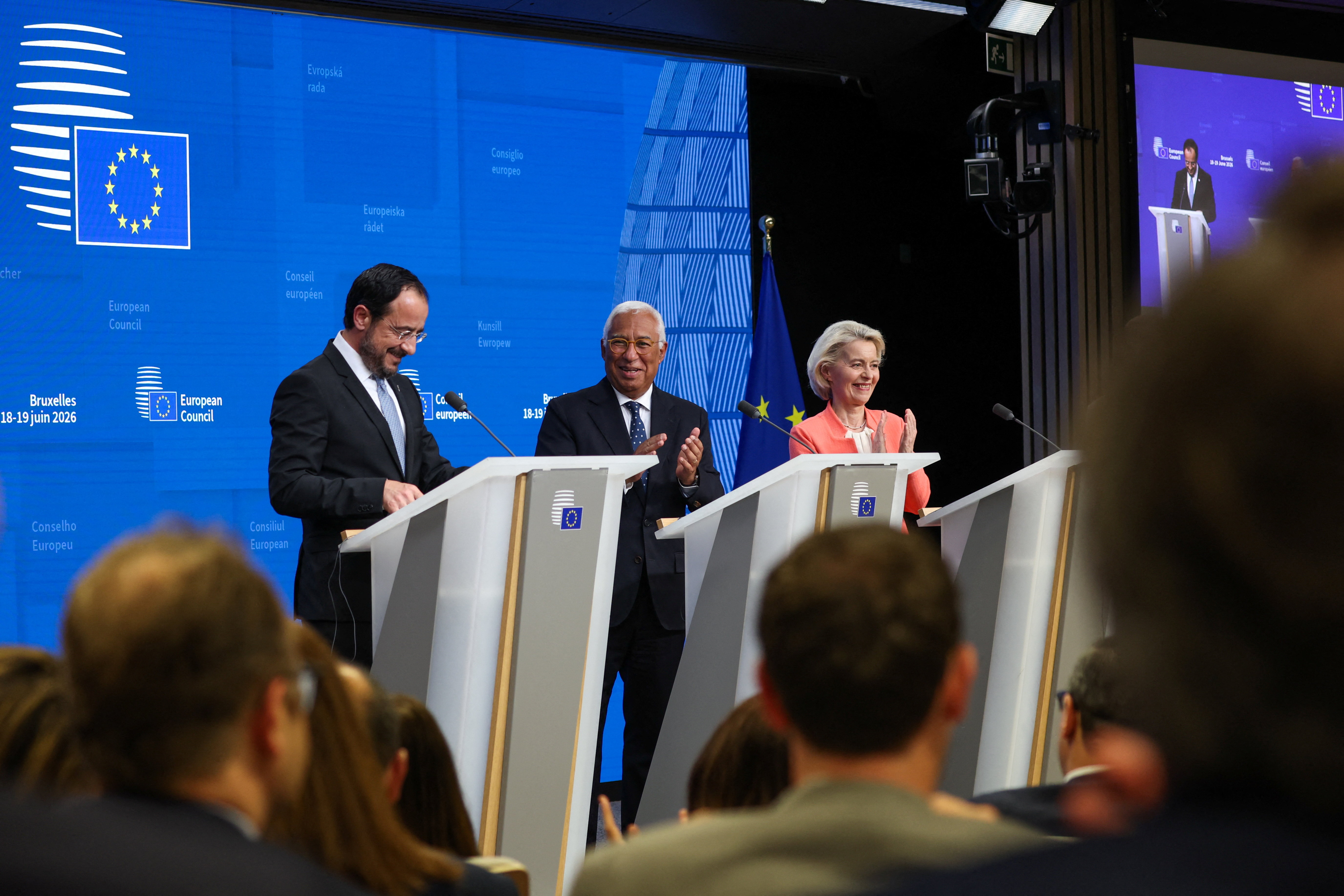
Cyprus’ six-month term as the holder of the Council of the European Union constituted an “extraordinary honour” and a “national mission”, President Nikos Christodoulides said on Friday, at the end of Friday’s European Council summit, the last to be held during the island’s term.
“The responsibility to be the voice of 27 member states serves as a powerful reminder that Europe advances when member states drive forward the common European interest of our 450 million citizens,” he said.
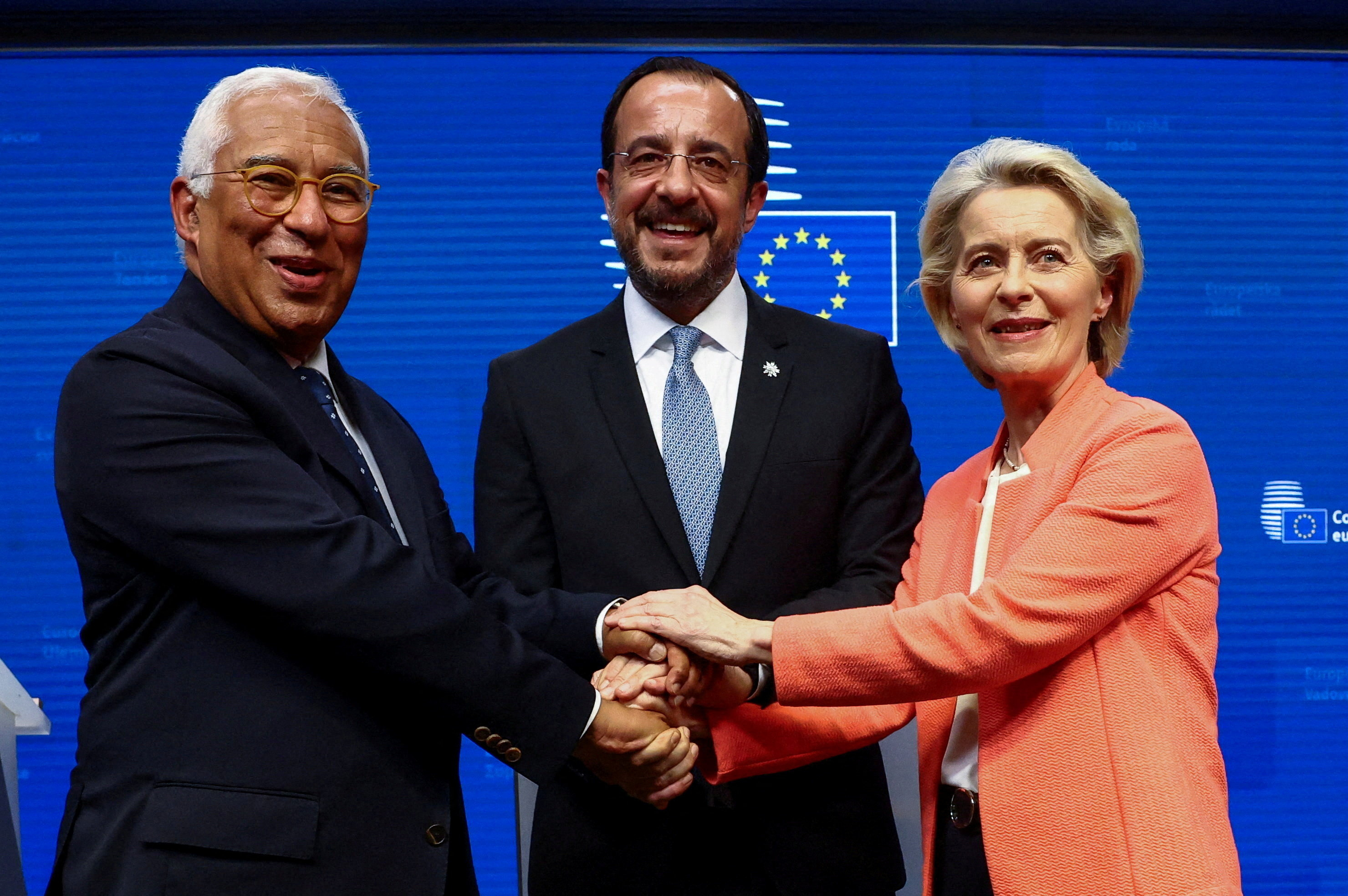
He also thanked European Commission President Ursula von der Leyen and European Council President Antonio Costa, who both stood alongside him at the evening’s press conference, as well as European Parliament President Roberta Metsola, and his own European Affairs Deputy Minister Marilena Raouna.
The matter of the EU’s multiannual financial framework – its budget for the period covering the years between 2028 and 2034 – was central during the day’s discussions, with Christodoulides saying that Cyprus had “achieved our goal of presenting a negotiating box with figures, and securing partial general approaches on the key financial instruments and on other sectoral proposals”.
On this matter, he acknowledged the discord among other member states regarding the Cypriot government’s proposal for the budget, saying that in his own intervention during the summit, “I told my colleagues that I see it as a success the fact that not a single one of you is 100 per cent satisfied with the figures” put forward by the Cypriot government.
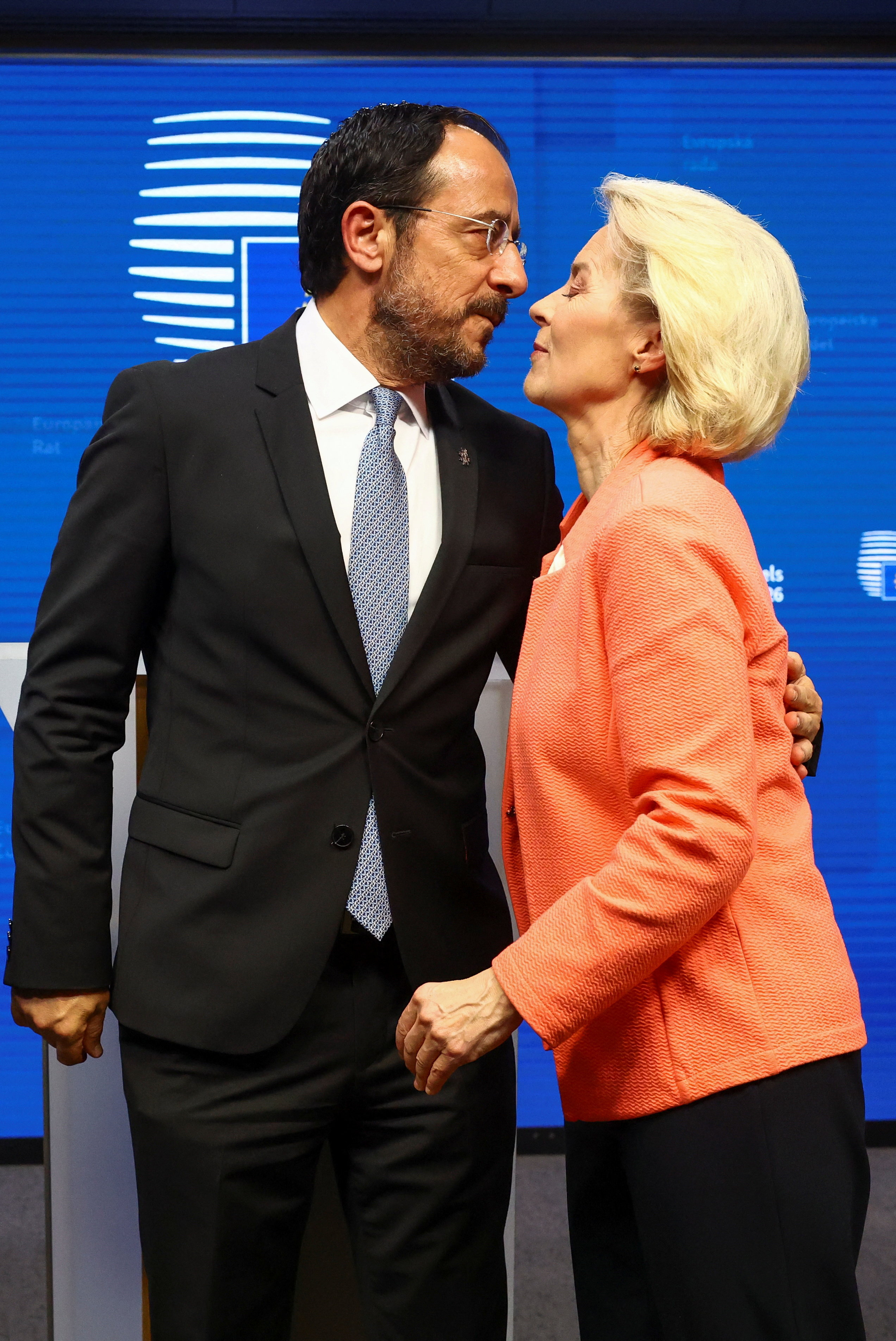
“This is precisely because it must be a balanced compromise,” he said, before stressing the “utmost importance” of reaching a conclusion and having the budget itself ready by the end of this year.
While no politician on Friday or prior has publicly confirmed the reason for this, it is widely understood that the EU and its 27 member states plan to do this to ward off the risk of elections next year in France and Poland – and the possible election of the far right in both countries – derailing efforts to reach an agreement.
Away from the matter of the budget, Christodoulides also made reference to support offered to Ukraine during Cyprus’ six-month term, saying that “from our corner of the EU, as the union’s last member state that is under occupation, it is absolutely clear what is at stake”.
“We maintained our unwavering support through an agreement on a substantial financial assistance package of €90 billion, while also adopting the 20th package of restrictive measures against Russia,” he said.
He also passed comment on the matter of EU enlargement, saying that “accession negotiations for Ukraine, Moldova, Albania, and Montenegro advanced actively”, with negotiations with both Ukraine and Moldova having commenced at the beginning of this week.
On the matter of defence, he said the EU has “achieved concrete progress” during Cyprus’ six-month term, with financial assistance decision having been reached regarding loans under the Security Action for Europe (Safe) programme for 18 member states.
He also said that “we initiated discussions, which are now progressing on multiple levels, on putting flesh on the bones of the mutual assistance clause”, Article 42.7 of the Treaty of the European Union, better known as the Lisbon Treaty.
Additionally, he made reference to “important outcomes in enhancing our trade partnerships”, making reference to the trade agreement reached with South American trade bloc Mercosur, which was vehemently supported by the Cypriot government, but then sent to the European Court of Justice by the European Parliament. As a result, the deal may not be ratified for years to come, if at all.
He also pointed out the interim trade agreement reached with Mexico and efforts to ease trade between the EU and the United States, which were, unlike the Mercosur deal, approved by the European Parliament.
Additionally, he said that relations between the EU and the United Kingdom have been “further advanced” during Cyprus’ six-month term, with negotiations having been opened for the UK to rejoin the EU’s internal electricity market in exchange for financial contributions to the bloc’s cohesion policy.
He also pointed out the UK’s rejoining of the Erasmus+ student exchange programme, and an agreement which saw Gibraltar become the first British territory to de facto join Europe’s border-free Schengen zone.
“Six months ago, we took over the Presidency with one central aim: to deliver, and today, I can proudly say that the results speak for themselves,” he said.
He added that “from security and defence to competitiveness, enlargement, migration, and social cohesion, the Cyprus presidency has delivered for our European family and our citizens”.




Click here to change your cookie preferences