
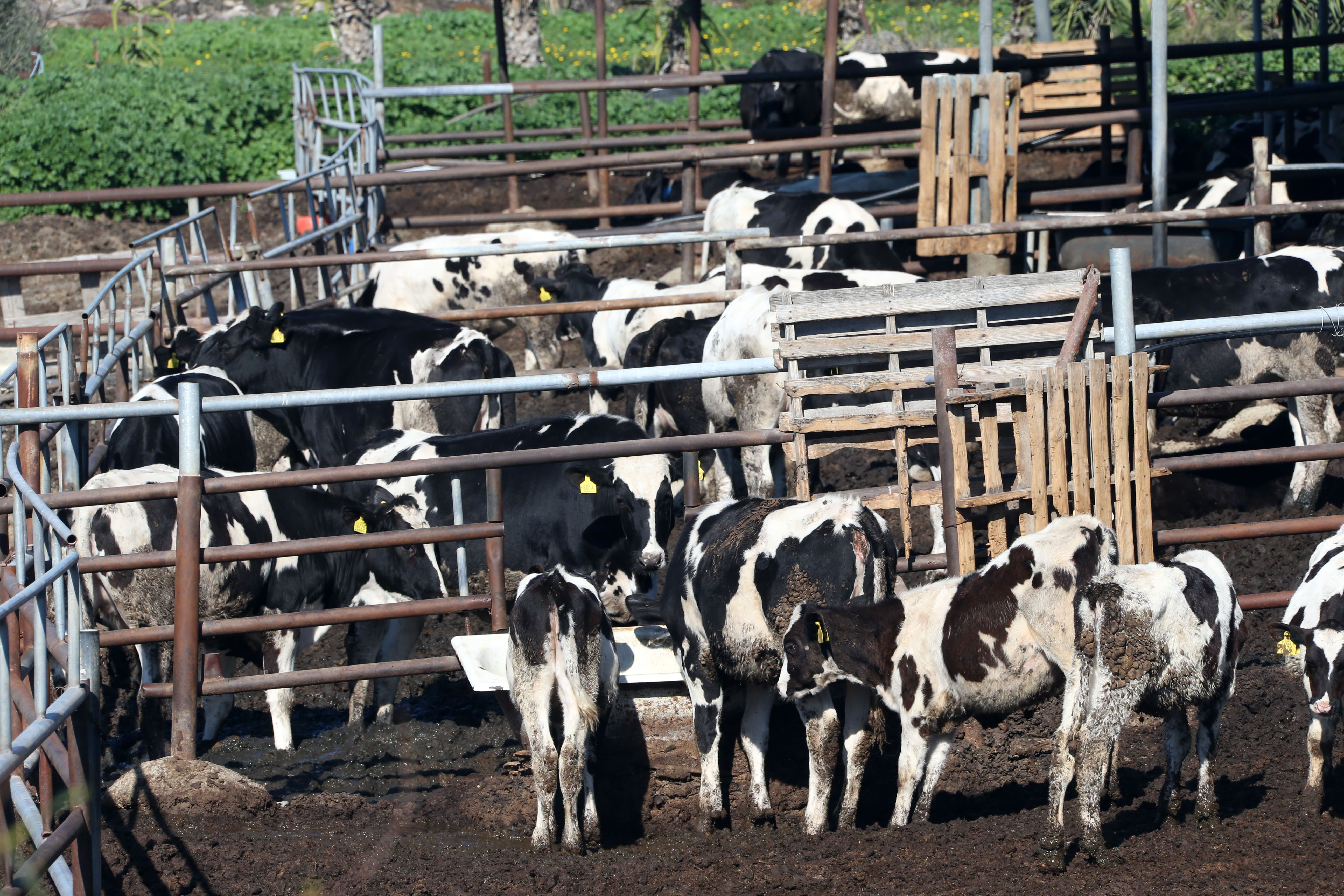
The ‘voice of the livestock breeders’ condemned the veterinary services on Monday over its handling of compensation payments to farmers whose animals were culled during this year’s foot-and-mouth disease outbreak.
Speaking on CyBC’s, union chief Neophytos Neophytou said that seven farms had yet to receive compensation they were owed.
He said the units had operated legally for years, had been subject to regular inspections and had cooperated fully with authorities in culling their animals.
Veterinary services director Christodoulos Pipis rejected the criticism on the same programme, saying each of the seven cases had been examined individually following an opinion from the legal service.
He confirmed that three of the farms had been paid, while the remaining claims could not be approved because they did not meet conditions set out in law.
Pipis said the responsibility lay with farmers to accurately declare their animal numbers and movements, adding that the veterinary services could not compensate for animals not registered in the department’s database.
He said the goal remained to lift restrictive measures as soon as possible.
Neophytou had previously informed the Cyprus News Agency that four farmers had received no compensation at all, and that three others had been paid only up to 15 per cent of what they were owed.
Pipis had said at the time that discrepancies between the number of animals claimed and those found during inspections were behind the shortfall.
Three farms are expected to begin receiving replacement animals from September, though Neophytou said the requirement that these animals be unvaccinated would prove impractical, given that most herds have already been vaccinated.
He questioned why the replacement process was only beginning five months after culling took place, when protocol allowed for it to start 42 days after disinfection.
Agriculture Minister Christos Senekis stated that more than a hundred farms had already received compensation, with only a handful of cases outstanding.
He said the government was awaiting a study led by Stavros Malas on the sector’s reconstruction.
The outbreak, first detected in February 2026, has resulted in the culling of some 80,000 animals.




Click here to change your cookie preferences