
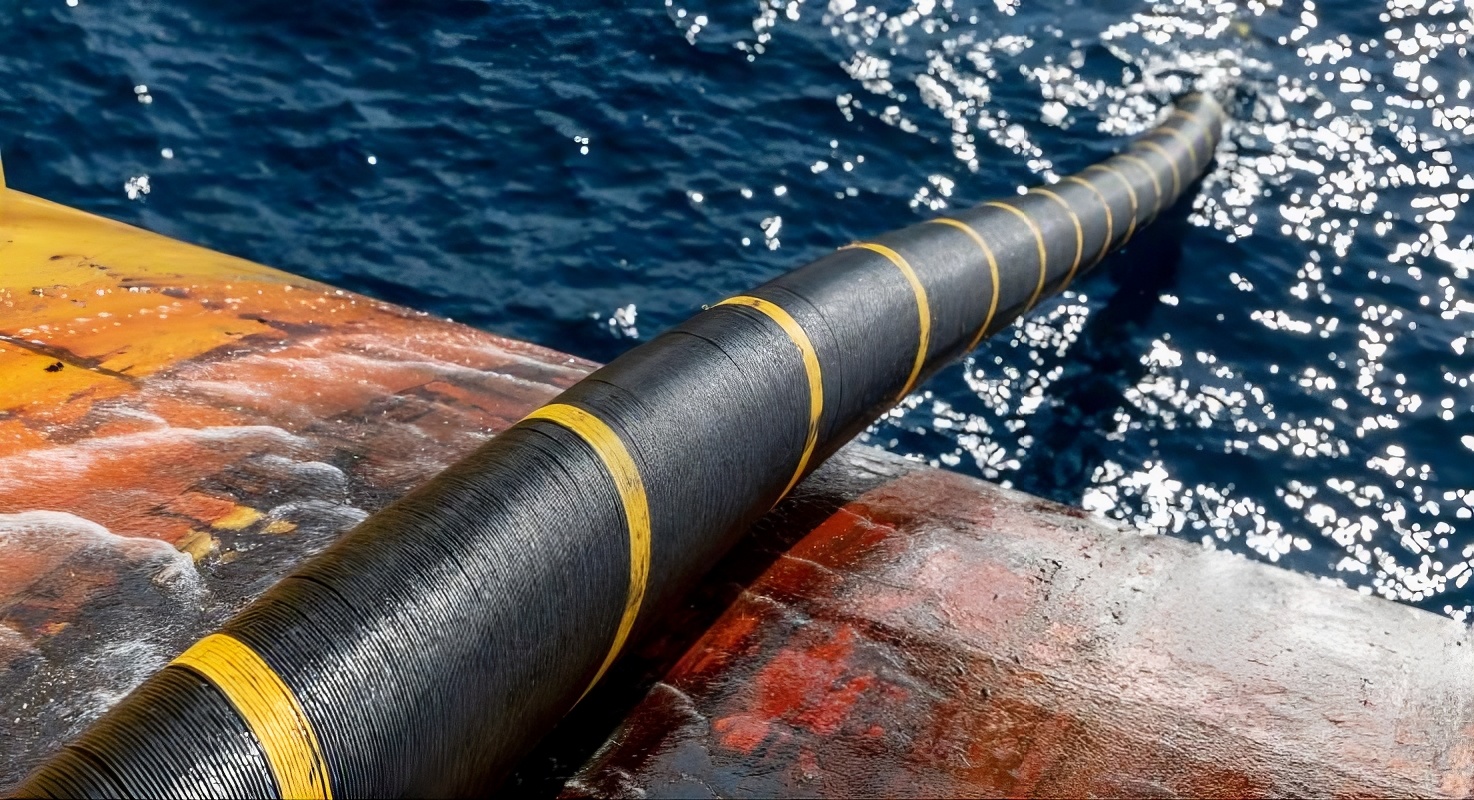
Work on the Great Sea Interconnector (GSI) could resume by year’s end, the Greek foreign minister said on Monday reiterating that Greece would not ask Turkey’s “permission” to proceed.
Speaking to a radio station, Giorgos Gerapetritis said the precise schedule for the interconnector would depend on the contractor’s timetable.
He assessed that work might restart “within the next few months, and possibly before the end of 2026”.
Commenting on possible Turkish reaction, the minister stressed that the project does not require Turkey’s permission.
“International law is clear: it does not require Turkey’s permission. Nor will any permission be sought from Turkey.”
According to Gerapetritis, Greece is ready for “any scenario – from the most modest to the most intense”.
He added: “That is our job. We’re not concerned, but of course we are very attentive to these matters. What we are doing, consistently, is to prepare for every scenario.”
The GSI is a proposed subsea cable to be laid in the eastern Mediterranean, linking the electricity grids of Greece and Cyprus. The project is sponsored by the European Union, with Brussels having pledged some €650 million in funding.
Ankara argues that the cable route between Greece and Cyprus crosses maritime zones claimed by Turkey, maintaining that any surveys or construction in these areas require its prior notice and permission.
Turkey’s position is that when activities are planned in maritime areas that Ankara considers to hold sovereign rights over, the flag state of vessels involved in the surveys should first communicate with Ankara.
Turkey’s demand is part of its broader claims in the eastern Mediterranean and reflects the differing approaches Athens and Ankara take on maritime boundary delimitation. Whereas Greece and Cyprus invoke the UN Convention on the Law of the Sea, Turkey, which is not a party to the convention, disputes that islands are entitled to full maritime zones.
Seabed mapping for the route to be taken by the GSI cable was effectively halted in the summer of 2024 when Ankara dispatched warships in international waters off the island of Kasos to intercept a research vessel.
While limited follow-up or restricted mapping attempts occurred later in 2024, broader physical work and funding for the marine research were indefinitely put on hold amid ongoing geopolitical friction and financial disputes.
Greece maintains that no third country’s permission is required for a peaceful infrastructure project.
In August this year, French investment group Meridiam became the majority shareholder of the GSI. Greece’s independent power transmission operator (Admie) retains the technical lead and will operate the interconnector once construction is finished.
Reports in the Greek press suggested that a Navtex (navigational telex) for seabed surveys may be sought in October. A Navtex is a notice to ships advising of upcoming marine activities within a certain area.




Click here to change your cookie preferences