
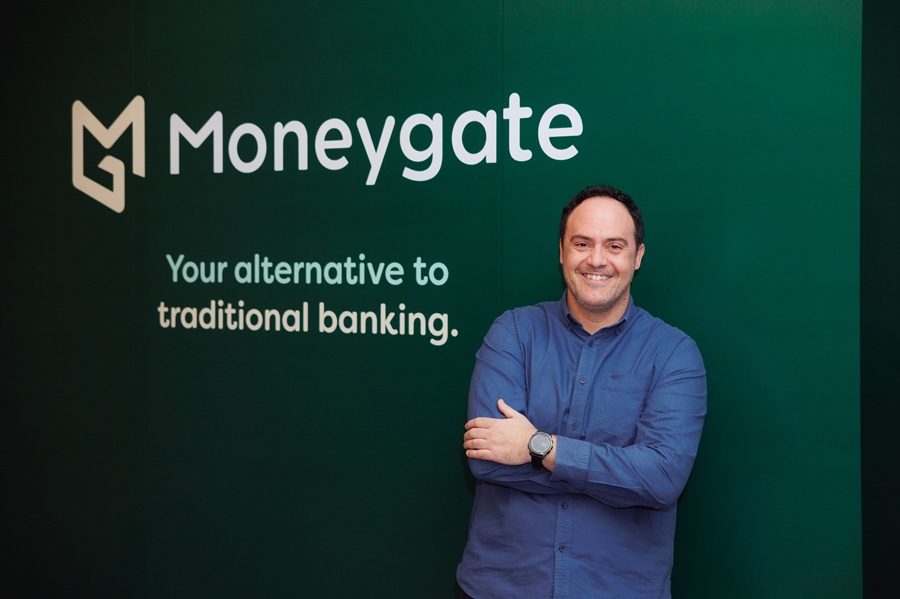
By Demetris Theodoulou, Executive Director, Moneygate
The financial services industry has spent much of the past decade investing in digital transformation. Processes that once required physical appointments, extensive paperwork and lengthy exchanges can now be completed through digital platforms. For businesses, this transformation has brought greater convenience, accessibility and efficiency.
Yet, as technology becomes more sophisticated and automation increasingly shapes the customer experience, an important question emerges: Does a fully digital experience necessarily mean a better one?
The answer is not always straightforward. Particularly in business financial services, where companies have different operational requirements, ownership structures and transaction patterns, technology alone cannot address every need.
The next phase of digital finance will therefore not simply be about eliminating human involvement. It will be about understanding where technology creates efficiency and where human expertise adds genuine value.
The first experience matters
For many businesses, onboarding represents their first meaningful interaction with a financial services provider. It is the moment when expectations about efficiency, transparency and professionalism are either confirmed or challenged.
A complicated onboarding process can create frustration before the business relationship has even begun. Repeated requests for documentation, unclear instructions, unnecessary administrative steps and limited visibility over application progress can discourage prospective clients.
Conversely, a well-designed digital onboarding journey can make a significant difference. Clear requirements, intuitive document submission, efficient identity verification and timely communication help businesses navigate the process with greater confidence.
Importantly, the benefits extend beyond convenience. An efficient onboarding experience can help eligible businesses access the financial services they need more quickly, allowing them to focus on their operations rather than administrative procedures.
However, efficiency should not be confused with the elimination of necessary checks. Financial institutions have regulatory obligations that require them to understand their customers, assess relevant risks and verify information. The objective should not be to remove these requirements, but to make the process of meeting them as clear, proportionate and efficient as possible.
When automation reaches its limits
Digital onboarding works particularly well when processes are straightforward and information can be collected and verified through standardised procedures.
But businesses are rarely identical.
An internationally active company may operate across multiple jurisdictions, have a complex ownership structure or conduct transactions involving different currencies and counterparties. Another business may have a less conventional operating model that requires additional explanation or supporting documentation.
In such circumstances, automated systems can identify missing information or request further clarification. What they cannot always do effectively is understand the broader business context or explain complex requirements in a way that addresses the client’s specific circumstances.
This is where human interaction becomes particularly valuable. A knowledgeable onboarding specialist can explain why certain documents are required, clarify questions relating to Know Your Customer (KYC) procedures or the source of funds, and help clients understand the next steps.
Such assistance does not replace regulatory requirements or circumvent compliance procedures. Instead, it helps businesses navigate them more effectively. It can also prevent relatively simple misunderstandings from developing into unnecessary delays.
For businesses dealing with sensitive financial information, knowing that an experienced professional is available to answer questions provides an additional level of reassurance.
Human interaction is becoming a differentiator
There is an interesting paradox at the heart of digital transformation. The more automated financial services become, the more meaningful and valuable human interaction becomes.
Businesses expect technology to handle routine processes quickly and efficiently. They do not necessarily want to spend time speaking to someone when a straightforward transaction can be completed digitally. But when an issue becomes complicated, expectations change.
At that point, businesses want access to someone who understands their circumstances, can provide clear explanations and is accountable for helping them move forward.
This distinction is particularly relevant for Electronic Money Institutions (EMIs), many of which serve internationally active businesses with diverse financial requirements. The ability to offer digital convenience alongside personalised support can become an important factor in building long-term relationships. It also challenges the assumption that digital financial services must inevitably become impersonal.
Technology can make services more accessible, but accessibility should also mean being able to reach the right person when assistance is needed.
For Moneygate, the relationship between technology and human expertise is central to its approach to serving businesses.
As an Electronic Money Institution authorised by the Central Bank of Cyprus and providing e-money and payment services to corporate clients, Moneygate recognises that the onboarding experience should reflect the way businesses actually operate. This means using technology to simplify processes, reduce unnecessary administrative burdens and improve efficiency, while maintaining access to experienced professionals who can provide guidance when required.
The objective goes beyond accelerating onboarding. The aim is to create a clearer and more transparent experience for businesses with different needs and operating models.
The future is digital, but not impersonal
The financial services industry will undoubtedly continue to automate more of its operations. Artificial intelligence, digital identity verification and increasingly integrated financial platforms will create further opportunities to improve efficiency and reduce administrative complexity.
But technological progress should not be measured solely by how many processes can be automated or how little human involvement remains. A more meaningful measure is whether technology makes financial services easier to access, simpler to understand and more effective for the businesses using them.
For routine activities, automation will increasingly provide the answer. For complex requirements, uncertainty or situations requiring judgement and explanation, human expertise will remain essential.
The institutions that succeed will be those capable of combining both approaches intelligently.
Moneygate invites you to talk to Our Team and experience the ultimate combination of technology oriented solutions and personal relationship.





Click here to change your cookie preferences