
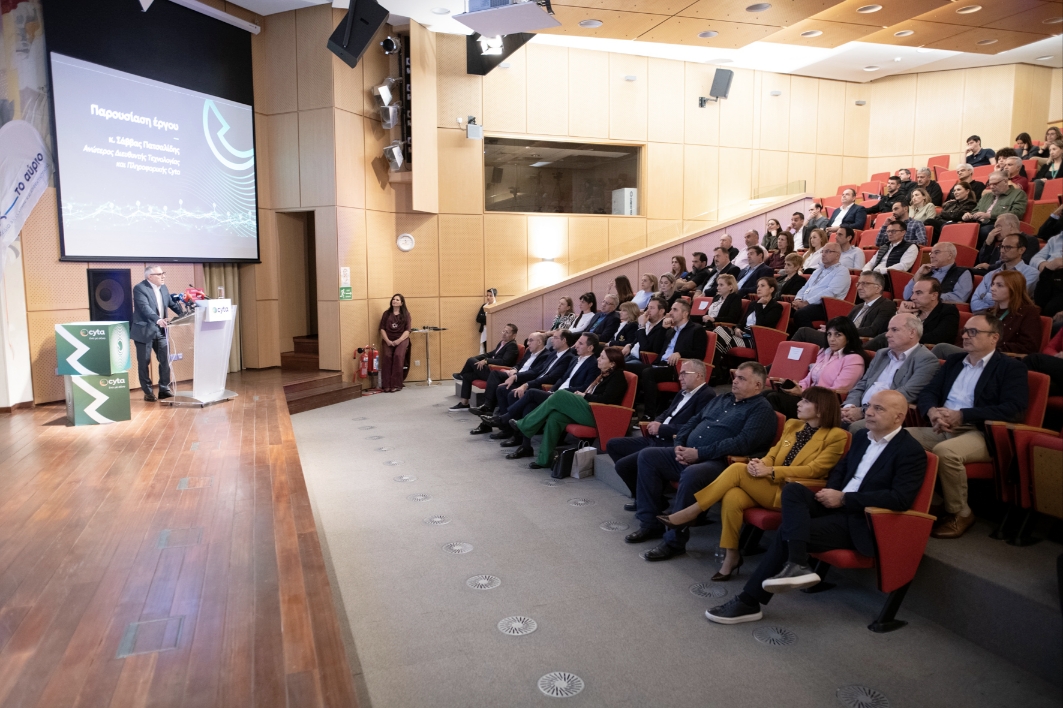
Cyprus extends gigabit internet to its most remote villages
Cyprus has extended its fibre-optic broadband network to 282 organised communities, bringing high-speed internet within reach of thousands of homes and businesses in rural and remote areas, the Deputy Ministry of Research, Innovation and Digital Policy and Cyta announced on Thursday.
The €35 million project, funded by the European Union’s Recovery and Resilience Facility, has already exceeded its initial target of connecting at least 45,000 premises, with approximately 74,000 premises now covered.
Work is continuing, with the aim of completing coverage in the targeted areas by early 2027, the announcement added.
The expansion means that the fibre network now reaches every organised community in Cyprus, allowing residents and businesses outside urban centres to access gigabit internet speeds and benefit from improved opportunities in education, employment and business development.
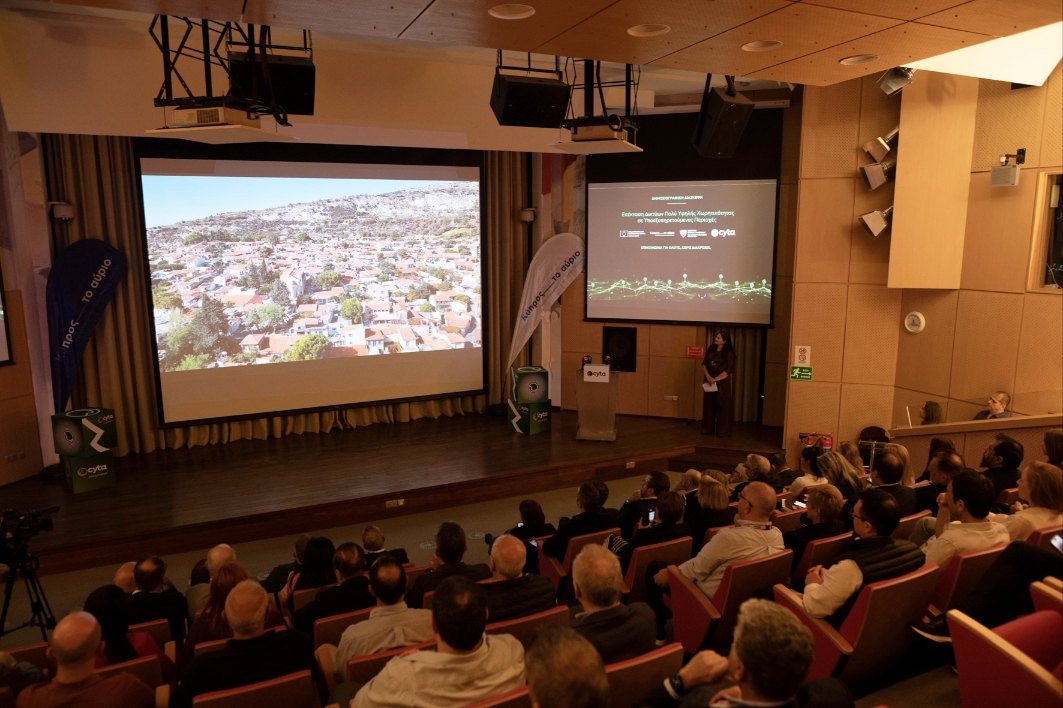
The project, titled the Expansion of Very High Capacity Networks in Underserved Areas, forms part of Cyprus’ Recovery and Resilience Plan.
Coordinated by the deputy ministry, the Department of Electronic Communications handled the tendering process, while Cyta undertook implementation across all three intervention areas.
The project has also extended fibre connections to approximately 1,350 public-interest buildings, including schools and hospitals, supporting the use of digital services in education, healthcare and public services.
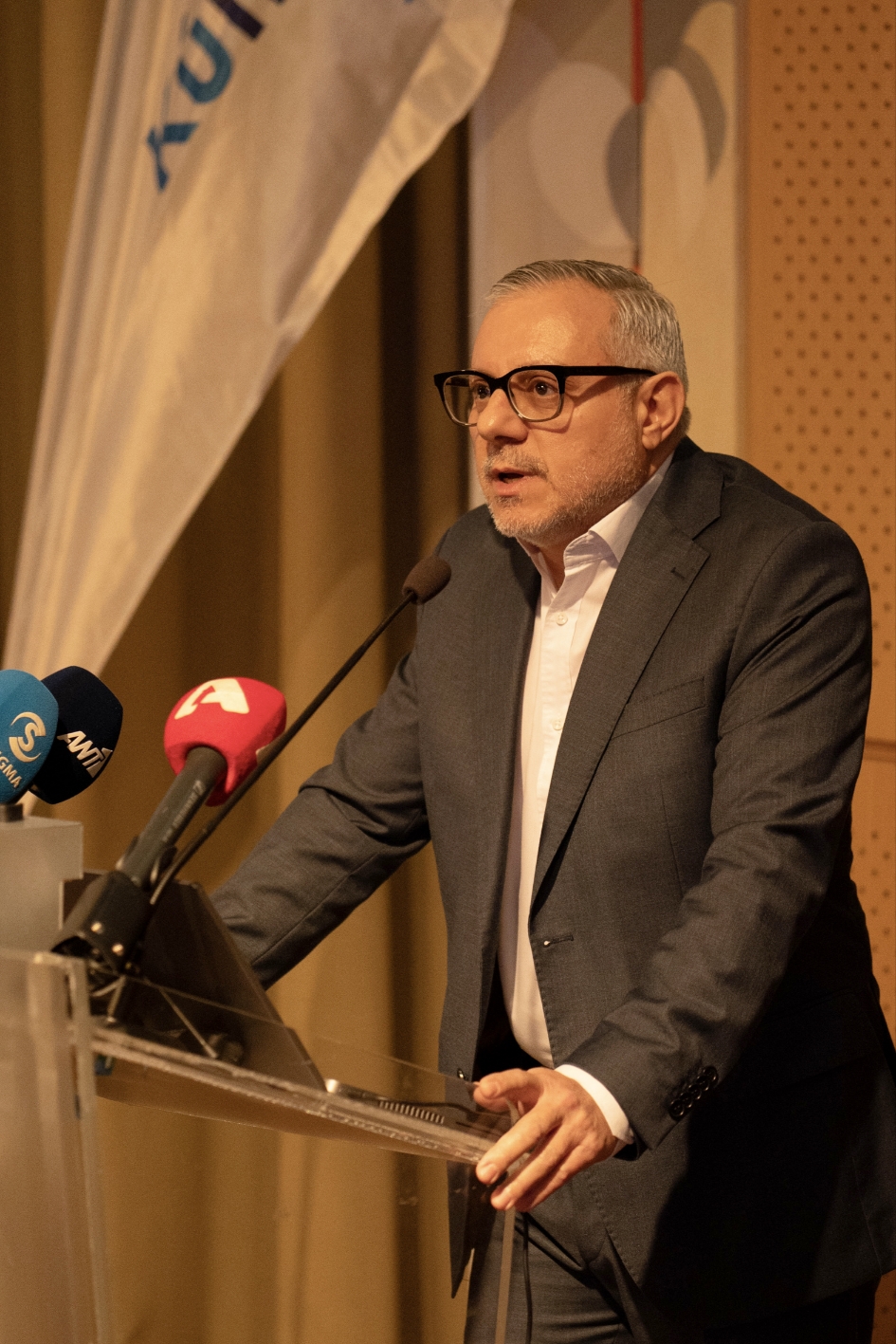
“Cyprus is providing a practical answer to a challenge facing the whole of Europe, namely how the digital transition can genuinely reach everyone,” Deputy Minister of Research, Innovation and Digital Policy Nicodemos Damianou said.
“Connectivity is not just another technology project. It is the foundation on which almost everything we want to do next, in digitalisation and more generally, depends,” he added.
Damianou also mentioned that the investment was part of the government’s wider policy to revitalise rural areas and strengthen communities, alongside measures covering housing, education, healthcare, social services, local infrastructure and support for businesses.




“The clear objective is to retain the population already living in these communities, attract young people and families, and create genuine prospects for growth,” he said.
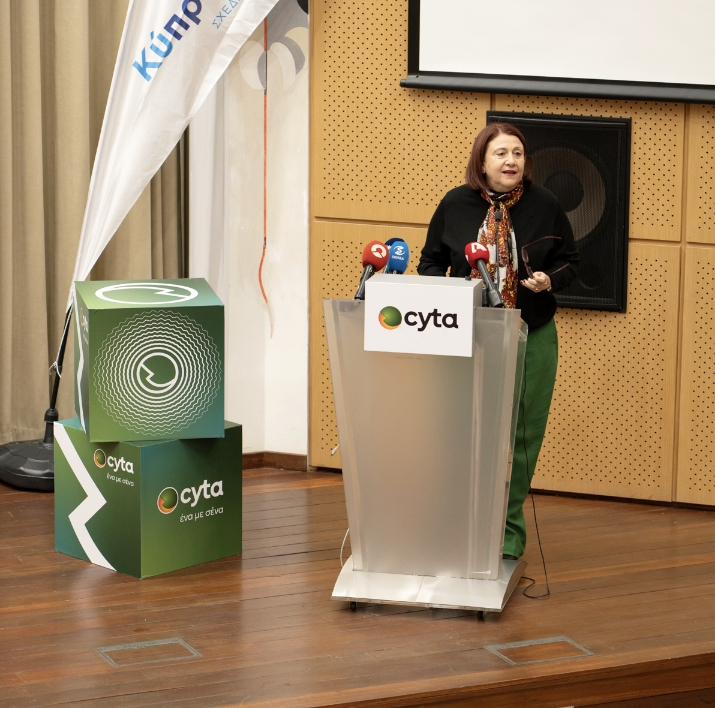
Cyta chair Maria Tsiakka said the project was intended to ensure that people had access to the same opportunities regardless of where they lived.
“For Cyta, the value of technology lies in the opportunities it offers people. We care about everyone having the same opportunities, irrespective of where they live,” she said.
“A young person in a remote village, a professional or a small business can now make use of opportunities that, until recently, were more readily available in urban centres,” Tsiakka added.
She described the expansion as an important step towards a Cyprus where a person’s place of residence does not limit their choices or prospects.
Cyta’s senior director of technology and information technology, Savvas Patsalides, outlined the project’s progress, technical specifications and the challenges encountered during implementation.
The work involved approximately 700 kilometres of excavation, the installation of 4,000 kilometres of fibre-optic cables and more than 6,000 fibre connections.
A substantial proportion of the work was carried out in mountainous and difficult-to-access areas, presenting additional logistical and construction challenges.
The network has been designed with sufficient capacity to accommodate future upgrades and meet growing demand for connectivity.
The project also received recognition at European level, winning first prize at the European Digital Connectivity Awards 2025.
The award adds to Cyprus’ performance in the European Union’s 2025 connectivity figures, which placed the country first for fixed broadband coverage and third for rural fibre-optic coverage.
The expansion is intended to narrow the digital divide between rural communities and urban centres, giving residents and businesses outside towns access to services and opportunities that increasingly depend on reliable, high-speed internet.





Click here to change your cookie preferences