
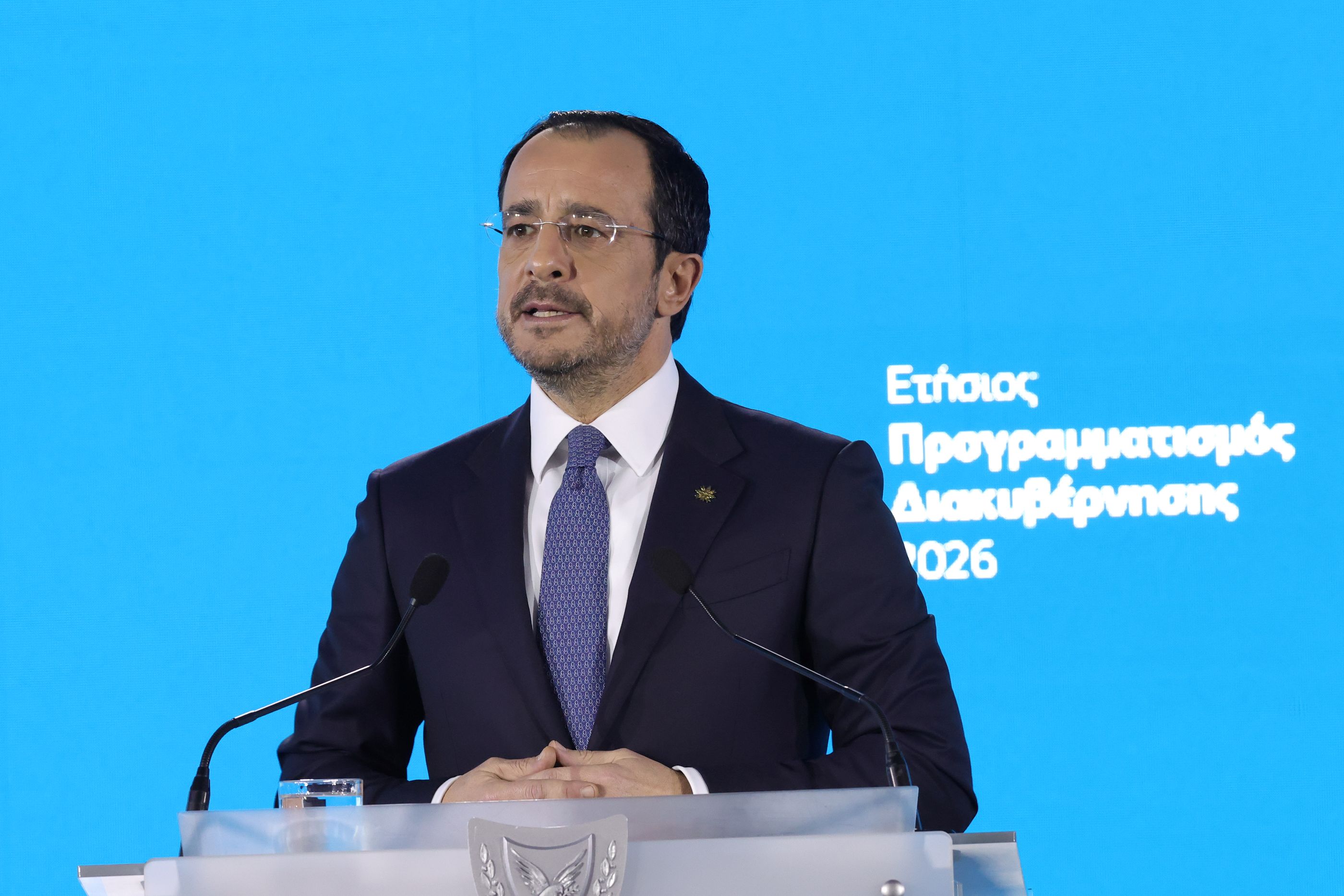
Cabinet on Wednesday was to issue a decision regarding the expropriation of land for the planned new hospital in Polis Chrysochous, President Nikos Christodoulides said.
“It is important that we have the timetables before us and that we are proceeding on the basis of the timetables. Therefore, we are deciding on the expropriation of the land on which the hospital will be built,” he said.
Those timetables were set out in January, with Christodoulides holding a meeting at the time with representatives of the Polis Chrysochous municipality and MPs from the Paphos district.
According to those plans, the hospital’s foundation stone will be laid in February next year, with construction to be complete by the end of 2028. Construction is set to cost €17 million.
The site chosen is opposite Polis Chrysochous’ fire station, and stretches across three plots of land, of which two are owned by Turkish Cypriots.
Plans for the new hospital had been formally announced by Christodoulides in September last year.
“This is a project which, no lie, we must be honest, as a state, we should have implemented many years ago. This is not only a necessary infrastructure project, a project of primary importance, but a historical vindication for the region and its people, and a due obligation on the part of the state,” he said at the time.
Polis Chrysochous mayor Yiotis Papachristofi, meanwhile, said the hospital’s construction has not come before time, stressing that “the needs of the area’s residents for medical care and attention are multiplying”.
He had made public his demands for a new hospital in December 2024, writing a letter to health minister of the day Michael Damianos in which he said his municipality needs “special support” from the central government to be able to “ensure proper and adequate medical care for its residents”.
With this in mind, he said the existing hospital in Polis Chrysochous has “significant problems”, most of which have come about due to its age. He pointed out that parts of the building were built during British colonial rule and that they therefore “no longer meet the area’s modern needs”.
He added that the area’s needs have “increased significantly in recent years”, with its population often more than doubling in the summer months due to tourism, and with the completion of the highway connecting it to Paphos set to bring an even greater increase in demand.




Click here to change your cookie preferences