
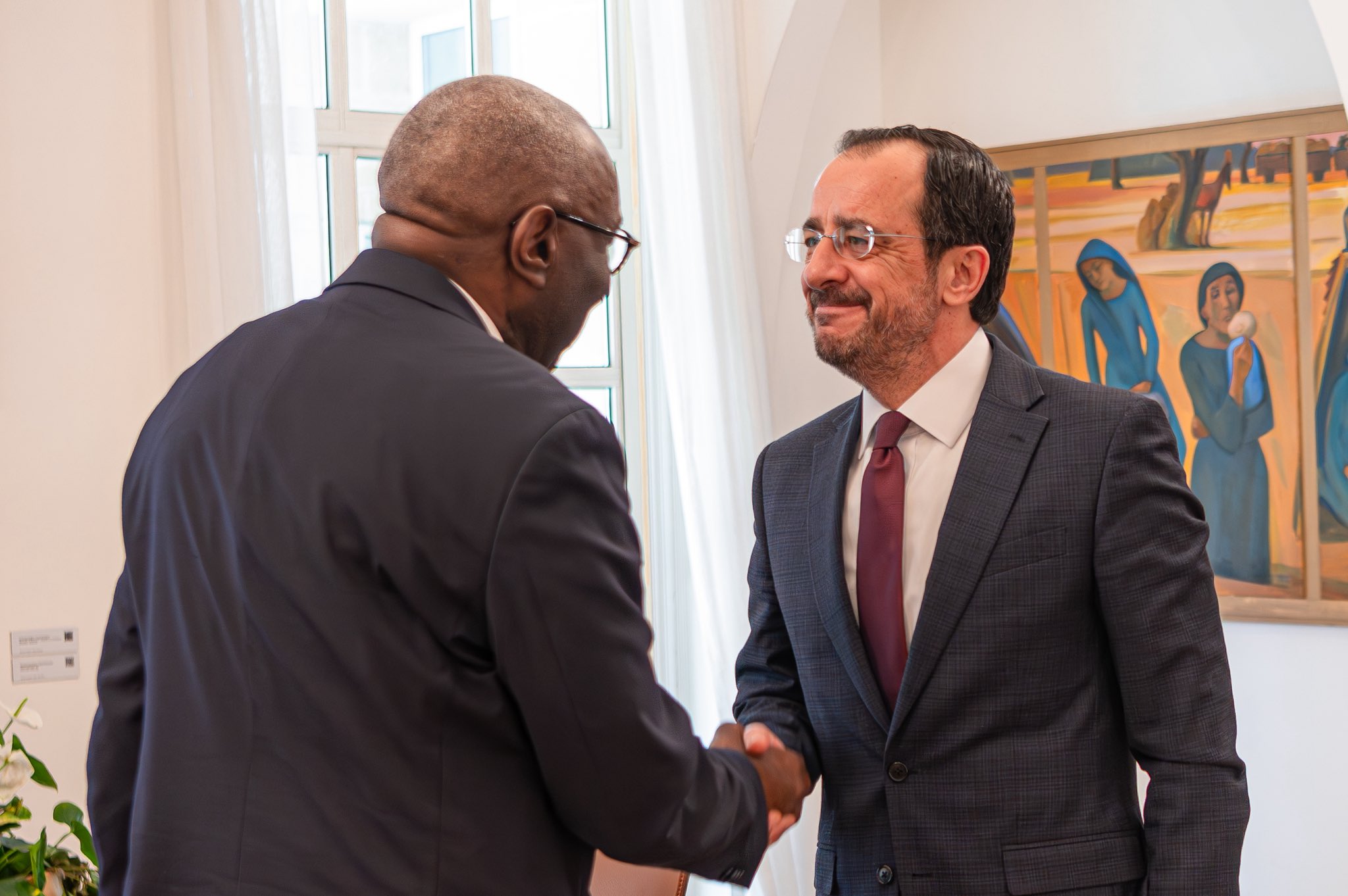
United Nations peacekeeping force in Cyprus (Unficyp) chief Khassim Diagne on Friday outlined the force’s four main priorities for the months ahead, after having held a meeting with President Nikos Christodoulides.
The first priority, he said, is “strengthened operational effectiveness and resilience in the context of a challenging financial environment”, while the second is to “ensure consistent patrolling coverage across the buffer zone”.
On this matter, he said that Unficyp will be providing “more static presence in specific areas of the buffer zone”, and that the force is “patrolling the area day and night”, utilising both military police and civilian personnel.
He added that he has personally visited areas which are “considered, sometimes, sensitive”, and that having visited those areas, “I can assure you that this is our number one priority – to secure the buffer zone is incident-free”.
“I will be very honest, we might not have zero incidents, but we will do our very best to ensure there is safety and security, not only for the civilians, but also for the peacekeepers,” he said.
The third priority, he said, is to “restore support to affected intercommunal activities where possible”, while the fourth and final priority is to “maintain our role as a stabilising presence on the island, therefore contributing efforts towards a political process” on the Cyprus problem.
Diagne is expected to meet Turkish Cypriot leader Tufan Erhurman next week.
Both Unficyp and the UN’s good offices in Cyprus have been hit by budget cuts this year, though Unficyp’s budget suffered a more minor impact, given that half of its prior US$55 million (€46.8m) budget is covered by the Republic of Cyprus and Greece.
Budget cuts at the good offices amounted to 37.7 per cent, with seven civilian staff losing their jobs.
Those seven staff had been tasked with facilitating the work of bicommunal technical committees, joint work between the island’s two sides, and confidence-building measures.
Diagne’s reference to “sensitive” areas of the buffer zone comes after Greek Cypriot farmers from the buffer zone village of Mammari had claimed at the end of last year that they had been “attacked” by Turkish soldiers.
The Turkish Cypriot side denied this, saying that the farmers had entered the north, before “driving their tractors towards” Turkish Cypriot police and soldiers when approached.
Following the incident, Erhurman had lamented that “the Greek Cypriot leadership immediately issued accusatory statements with unacceptable wording” in its aftermath, and called for dialogue to resolve similar incidents going forward.



Click here to change your cookie preferences