
There is an urgent need for an independent energy think tank to navigate completion of vital projects
Energy is one of the most critical sectors in Cyprus, impacting everyday life, the economy, industry and almost everything else on the island. And yet, it is one of the most badly planned sectors, suffering from under-investment and lack of long-term planning, but also mismanagement and endemic corruption.
Cyprus has some of the highest electricity prices – based on purchasing power parity – the highest emissions per capita and one of the lowest adoptions of renewable energy in Europe. And this despite the fact that it is blessed with abundant solar and natural gas resources.
Cyprus’ approach so far is reactive. It lacks long-term planning at national level accounting for energy transition and the latest global energy developments, including the global realignments brought about by US President Trump’s trade and economic policies and now the war in the Middle East.
In order to promote much-needed change and contribute to the healthy future development of the sector, there is a need for independent, respected experts to take the lead in providing coordinated critical comment and constructive suggestions and recommendations that will ultimately lead to the development of long-term national energy policies and plans.
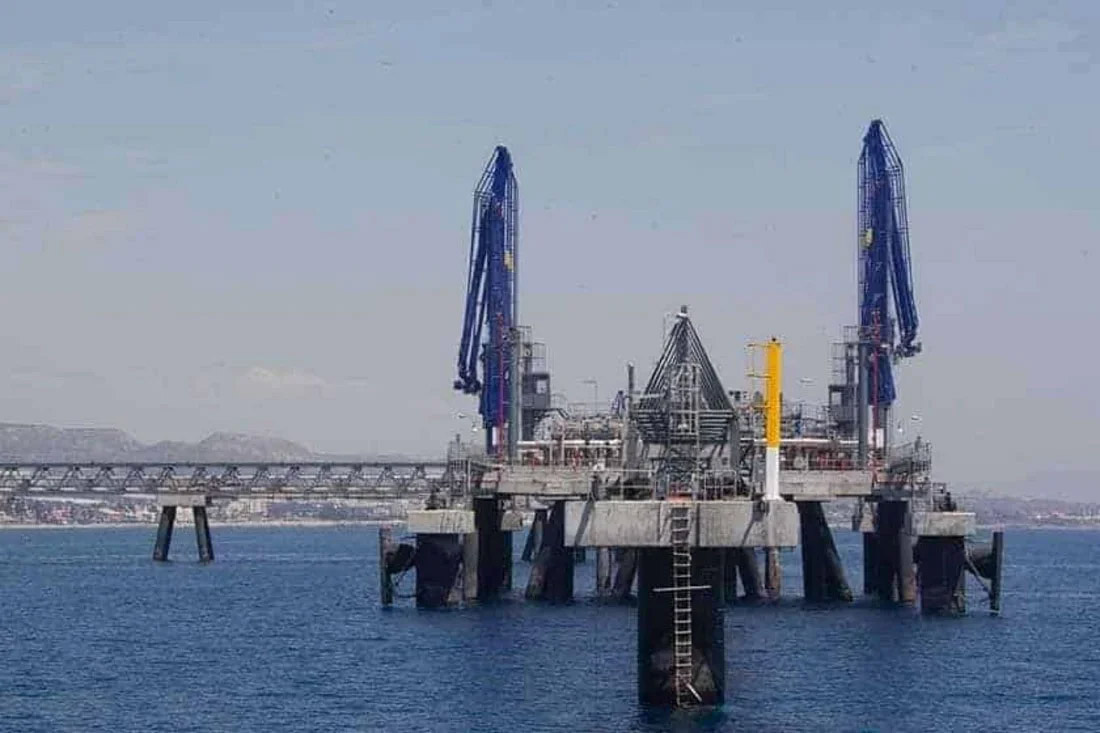
Calamities over the recent past – from the fiasco of the Vasilikos LNG import project, to the exorbitant price of electricity, the inability to curtail emissions and their costs, the continuous challenges in ensuring adequate and reliable electricity supply, the monopolistic challenges and limitations of the renewables sector, the mess of electricity interconnection, the slow energy transition in the transport sector, the opportunities and setbacks in developing Cyprus’ EEZ, the inadequacies in desalination planning and the debilitating consequences of energy poverty – have kept energy at the top of the national news, mostly for the wrong reasons.
Natural gas
In the following I delve into natural gas and Cyprus EEZ that have come back into the limelight. Announcements of the imminent development of the Cronos and Aphrodite gas fields, as well as declaration of commerciality of the block 10 Pegasus and Glaucus gas fields have, for now, eclipsed other energy issues. But, sadly, the devil is in the detail. Not all is what it seems.
Contractual and commercial differences between Eni/Total Energies and government have led to postponement of the expected Cronos Final Investment Decision (FID) agreement, putting plans to submit an FID by the end of March on hold, with no clear way forward.
Given the nature of the differences, it is imperative that any future agreement must be presented to the public transparently. As I said in my last article, an agreement “cannot happen ‘at any cost’. Project risks must be sensibly addressed, and Cyprus not only must not end up disadvantaged but must make a reasonable profit from the sale of Cronos gas.
There are also question marks about the development of the Aphrodite gas-field. Completion of front-end engineering design (FEED) is expected by December. This would enable the project consortium, led by Chevron, to consider FID in early 2027. But challenges that still need to be overcome mean that achievement of FID as planned is by no means certain.
Resolution of these problems will inevitably take time, with project completion targeted dates likely to slip further.
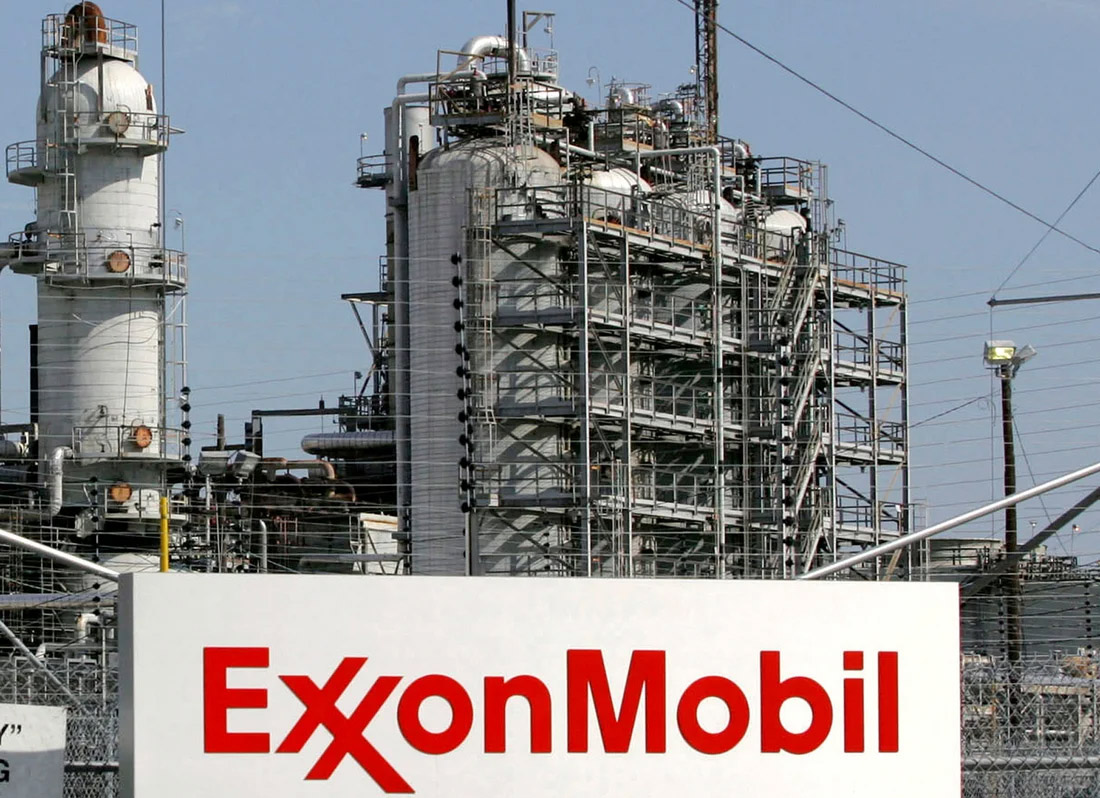
ExxonMobil announced at the end of March the commerciality of Pegasus and Glaucus in block 10, assessed to hold 7 trillion cubic feet (tcf) of gas. But even though the government announced that this “marks a decisive step toward their exploitation”, timing is not at all clear. If everything goes to plan, first gas could be between 2033-2035.
However, ExxonMobil is taking a cautious approach, keeping all its options open. As I said last July, its stated preference was to develop a standalone liquefaction plant, but that requires more than 15tcf. Current possible reserves under its control are way below that. Even though adding Aphrodite, Cronos, Zeus and Calypso (about 10tcf) comes close to that threshold, there are already commitments in place to export Aphrodite and Cronos gas to Egypt. In addition, Israel’s Leviathan gas field still has gas available for export.
These and the recent developments in the Middle East and Europe’s needs for secure gas that, despite REPowerEU, do not seem to be going away, support bringing back the idea of an LNG export plant at Vasilikos. Negotiations for this were well-advanced in 2012/2013, until intervention – with no clear plans – by the then newly elected government put an end to them. The idea remains a valid option today.
Energy think tank
These are the types of issues a Cyprus-based energy think tank should be addressing.
The mission of such a think tank would be to promote a broader understanding of the key energy issues in Cyprus and provide a suitable platform for the exchange of views and information by independent, experts, professionals with active involvement in the energy sector.
The aim would be to constitute a permanent forum where energy issues can be discussed, analysed, reformulated and presented in unbiased, objective, transparent and credible terms. A key objective is to contribute in the formulation of energy policies and the development of long-term energy plans at national level.
An integral part of such a think tank should be the dissemination of complex technical issues thus helping to promote public debate, as well as keeping the Cypriot public well informed of developments in a sector critical to their lives and wellbeing, but often not easy to comprehend.
The above, in many ways, reflects the mission and key objectives of the leading, non-profit, Athens-based Institute of Energy for Southeast Europe (IENE), well known to Cyprus through the long-established, annual, Energy Symposium organised in cooperation with FMW.
IENE was founded in 2003 by a small group of independent professionals active in the energy sector of Greece and the region, as a nongovernmental and nonprofit organisation, much like this proposal for a Cyprus-based energy think tank.
That’s not a coincidence but it is intentional. A Cyprus-based energy think tank has much to learn from IENE, with which it should cooperate quite closely, especially since many of the issues and challenges it should be addressing are common to both Cyprus and Greece.
The added value of an independent think tank will be in the formulation of energy policy. The failure of energy in Cyprus is mainly due to the interventions made by vested interests at a political level, that often frustrate formulation and implementation of independent, unbiased national energy strategies.
Corruption does not allow the right projects to be carried out and inevitably leads to delays and greater cost to the taxpayer.
Energy needs long-term planning, while politics is short term. And because decisions are political, this constantly changes the strategy, resulting in critical energy projects not being implemented.
The existence of an independent energy think tank bringing such issues into the open can only add value.



Click here to change your cookie preferences