
How utilities work in Cyprus is a key consideration for anyone planning to live on the island, whether locals, expats, or new arrivals. Understanding utilities in Cyprus—including electricity, water supply, and internet—is essential for managing your household budget and expectations. The system is generally reliable, but costs and infrastructure limitations are important factors to keep in mind.
Electricity in Cyprus
Electricity in Cyprus is primarily supplied by the Electricity Authority of Cyprus (EAC), although recent market liberalisation has introduced some competition. Still, EAC remains the dominant provider. Billing is typically issued on a bi-monthly basis, and Cyprus utility bills often include tariffs, standing charges, and fuel adjustment costs.
For a family of 4 electricity bills can reach €100-€150 per month during winter while during the summer months and the increased use of ACs this can rise to €200-€300.
A common question is why is electricity expensive in Cyprus? The answer lies in several structural challenges: the island relies heavily on imported fuel, has limited natural energy resources, and operates an isolated grid without full interconnection to mainland Europe. Additionally, global energy prices significantly impact the cost of electricity Cyprus residents pay. While renewable energy—especially solar – is growing, the transition is still in progress.
Water supply and water scarcity
The water supply Cyprus system is managed locally by municipalities (EOA) and regional water boards. Water scarcity is a genuine concern, leading many to ask: is water scarce in Cyprus? The island faces frequent droughts and lacks abundant natural freshwater sources. To address this, Cyprus relies on desalination plants and enforces water conservation measures. Despite these challenges, water remains relatively affordable compared to electricity, making it a smaller component of overall living costs Cyprus utilities.
Typical costs range from €25 to €45 per month.
Internet and connectivity in Cyprus
When it comes to internet Cyprus, residents have several options.
The main Cyprus internet providers include Cyta, Cablenet, Epic and Primetel. Connection types range from DSL and mobile broadband to increasingly available fiber networks.
Many people ask, how reliable is internet in Cyprus or how good is WiFi in Cyprus?
In urban areas, internet services are generally stable, with fiber rollout improving speeds and reliability. However, rural areas may still experience slower connections.
Compared to EU averages, Cyprus is catching up, especially with ongoing infrastructure investments. Costs vary, depending on the kind of services (eg optional TV package) you opt for as well as the duration of your contract. It’s best if you check out all providers and find the deal that best suits you.
Overall prices are moderate but can be slightly higher than some European countries depending on speed and provider.
In terms of average utility costs Cyprus, electricity is typically the highest household expense, followed by internet, while water remains the most affordable. These combined expenses form a significant part of monthly living costs.
Setting up utilities in Cyprus
For newcomers asking how do utilities work in Cyprus or how to set up electricity in Cyprus, the process is straightforward but requires some paperwork. Setting up accounts for electricity, water, and internet usually involves proof of address, identification, and sometimes a deposit.
So yes, do you need a deposit for utilities in Cyprus? In most cases, you do—especially for electricity services.
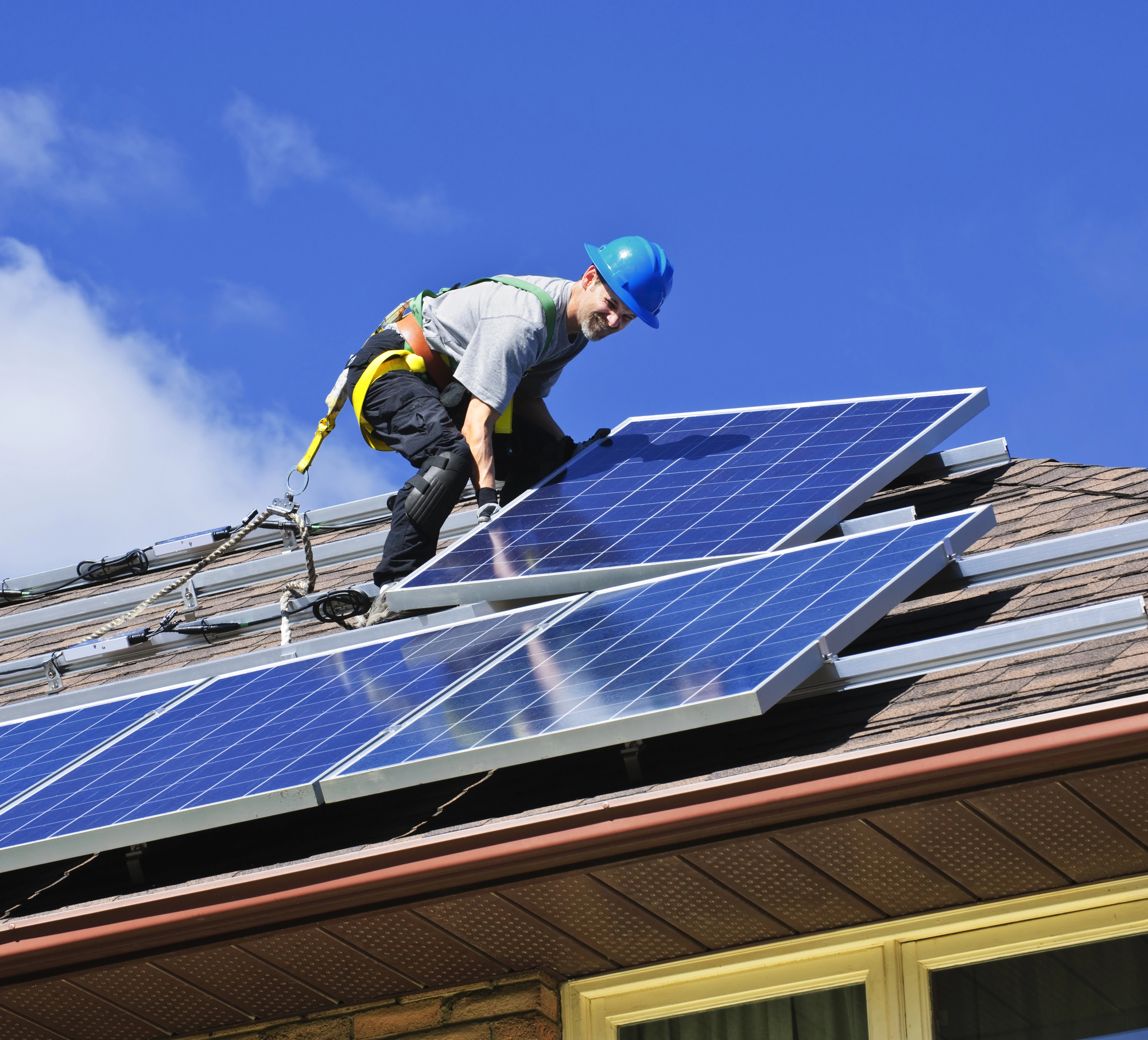
Looking ahead, Cyprus is investing heavily in sustainability and infrastructure. Renewable energy adoption is increasing, with solar panels common in households. Plans for smart grids and EU energy integration aim to improve efficiency and reduce costs. Meanwhile, fiber internet expansion is enhancing digital connectivity across the island.
Final thoughts
Overall, utilities in Cyprus are dependable but relatively expensive. While electricity costs remain a concern, ongoing improvements in energy and telecommunications signal a more efficient and sustainable future for residents.





Click here to change your cookie preferences