
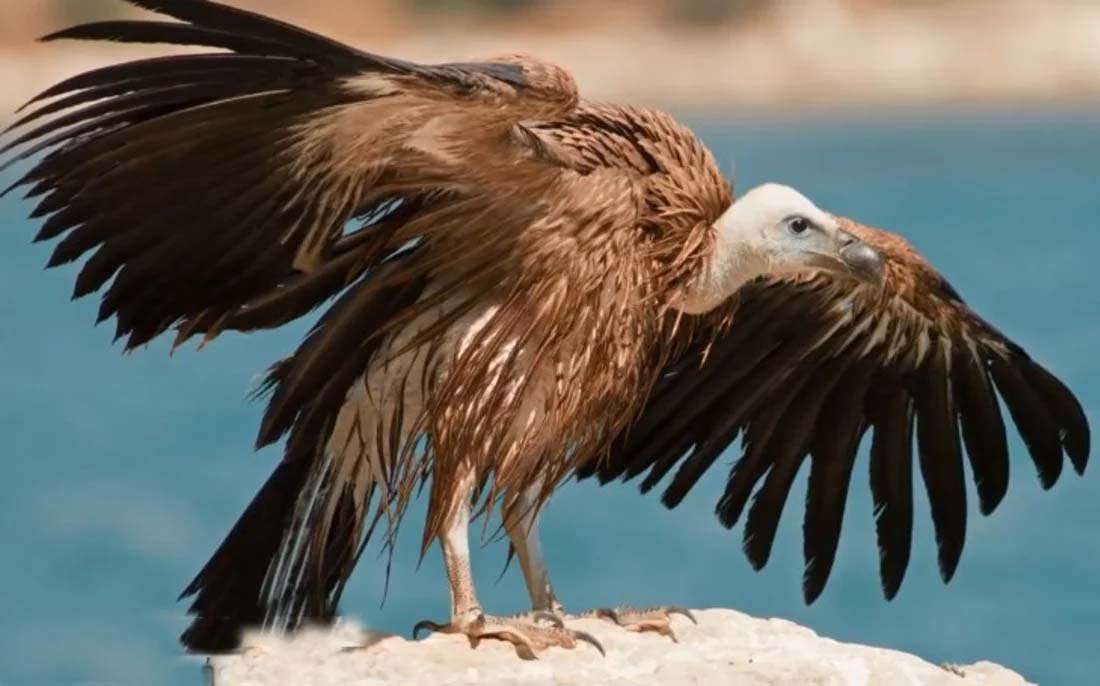
A national roadmap aimed at tackling the illegal use of poisoned baits and strengthening protection of the endangered griffon vulture population in Cyprus has been approved, the interior ministry said on Wednesday.
The proposal, submitted by the ministry and approved during a cabinet meeting in April, aims to address what authorities described as the main threat facing the protected griffon vulture (gyps fulvus) while also safeguarding other wildlife species affected by poisoning incidents.
The ministry said the roadmap represents “a decisive step” in combating environmental crimes linked to poisoned baits and improving the enforcement of existing legislation through prevention, investigation and prosecution measures.
The action plan is built around four central pillars including improving scientific knowledge and data collection on poison use, strengthening monitoring and deterrence measures, upgrading investigation procedures and increasing public awareness on wildlife protection.
Participating bodies included the Game and Fauna Service, the environment and forestry departments, the police, BirdLife Cyprus and Terra Cypria among others.
The ministry said the roadmap would ensure the continuation of conservation efforts and would align Cyprus with European biodiversity protection obligations.
“The decision of the cabinet confirms the government’s will to preserve the environment and natural heritage of Cyprus,” the ministry said.
It added that environmental protection is “not only a legal obligation, but a moral duty towards future generations”.
“With the implementation of the national plan, Cyprus strengthens the protection of the ecosystem and sends a clear message of zero tolerance to practices that threaten the wildlife of our country,” the ministry said.
According to the forestry department, in the last 30 years a total of 60 vultures have been killed by ingesting poisonous agricultural products.
Between 2022 and 2025, a total of 58 additional griffon vultures were transferred from Spain, home to the world’s largest population of the species.
Today, 38 of those birds remain alive, a survival rate of around 65 per cent.





Click here to change your cookie preferences