
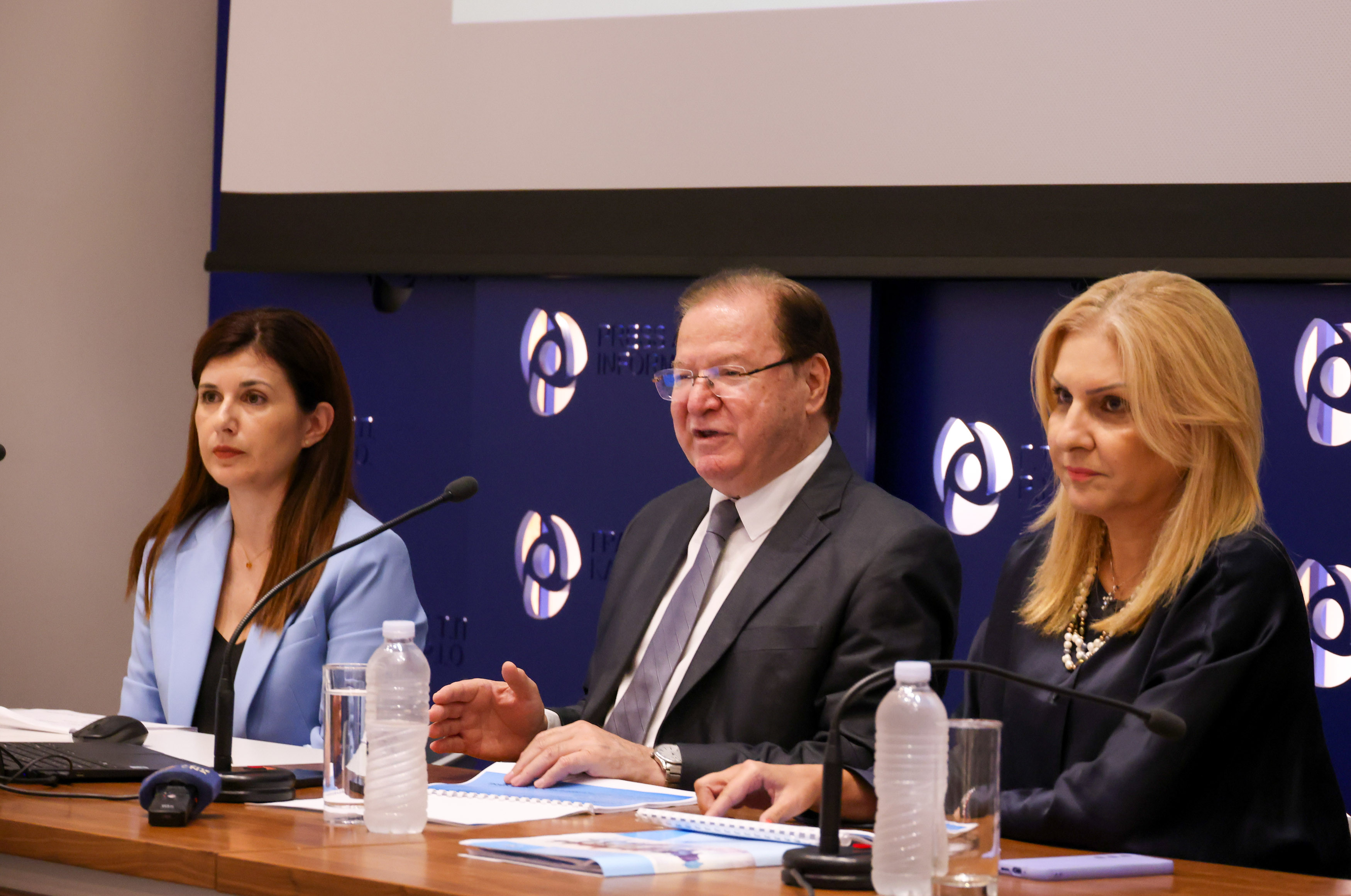
Police union Isotita on Tuesday called for a meeting involving President Nikos Christodoulides, Justice Minister Costas Fitiris and police-chief Themistos Arnaoutis amid an ongoing dispute over police overtime.
Spokesman Nikos Loizides called for direct dialogue between all parties involved, saying the union was seeking discussions on working conditions affecting police officers.
He added that if no initiative is taken by the government, the union intends to raise the matter in parliament once the new House begins its work.
“With the opening of parliament, if the president does not invite us to find the solution himself, we will invite the six parliamentary parties to the first meeting of the legal affairs committee,” he said.
Loizides maintained that solutions exist but alleged that discussions had not progressed.
“We have the solution and there is balance everywhere, but Arnaoutis himself does not want to sit at the table,” he said.
The union highlighted a letter dated May 28 sent by Fitiris to the European police confederation (Europol) concerning issues raised about police management and working arrangements.
Loizides criticised the contents of the letter, claiming it contained “distortions, inaccuracies and, at the very least, untrue information”.
According to Loizides, the correspondence responded to concerns raised by Europol regarding the reduction of police officers’ rest days.
He argued that the measures affected operational police personnel and were not limited to office staff.
He also said the union intends to rely on the contents of the letter in legal proceedings should an appeal currently under consideration proceed before the administrative court.
Addressing the legal framework governing police operations, Loizides argued that while Arnaoutis holds direct authority over the force, responsibility ultimately falls within the remit of justice ministry and the presidential palace.
He questioned references in the ministry’s response concerning working hours, overtime accumulation and the granting of additional rest periods, disputing the interpretation presented by police leadership.
Loizides further challenged references to observations by the finance ministry regarding police staffing and overtime management, suggesting the issue had become focused primarily on financial considerations.
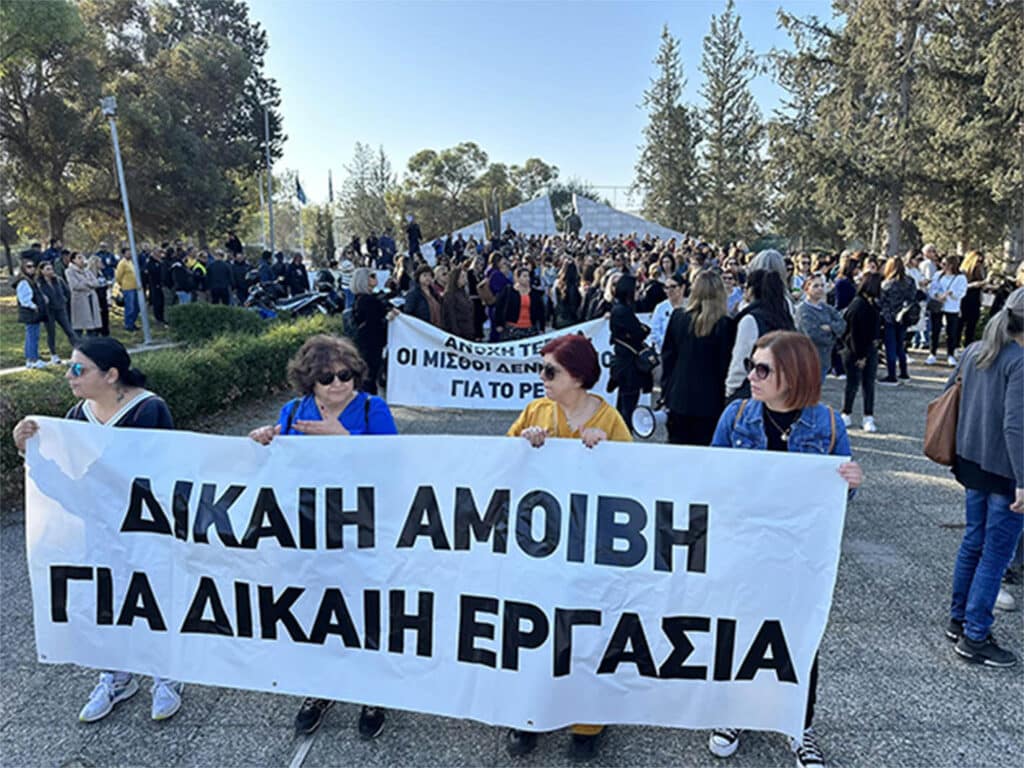
Asked whether the union was considering protest action, Loizides said any decision would be taken collectively through the organisation’s internal bodies.
He also called on Pasydy’s police branch to consider participating in a joint strike.
The dispute centres on changes to police working arrangements introduced by police leadership, which Isotita argues have significantly reduced the number of rest days available to frontline officers.
The union maintains that officers who previously received one day off for every 20 working days would, under the revised system, receive one day off for every 76 working days, amounting to the loss of up to 15 rest days per year.
The justice ministry has rejected claims that officers’ rights are being undermined, insisting the changes are intended to address working time management and overtime accumulation.
Isotita has consistently argued that the reform should have been referred to cabinet before implementation.
Union representatives have further claimed that Arnaoutis exceeded his authority by proceeding without cabinet approval and have sought legal advice on the matter.




Click here to change your cookie preferences