
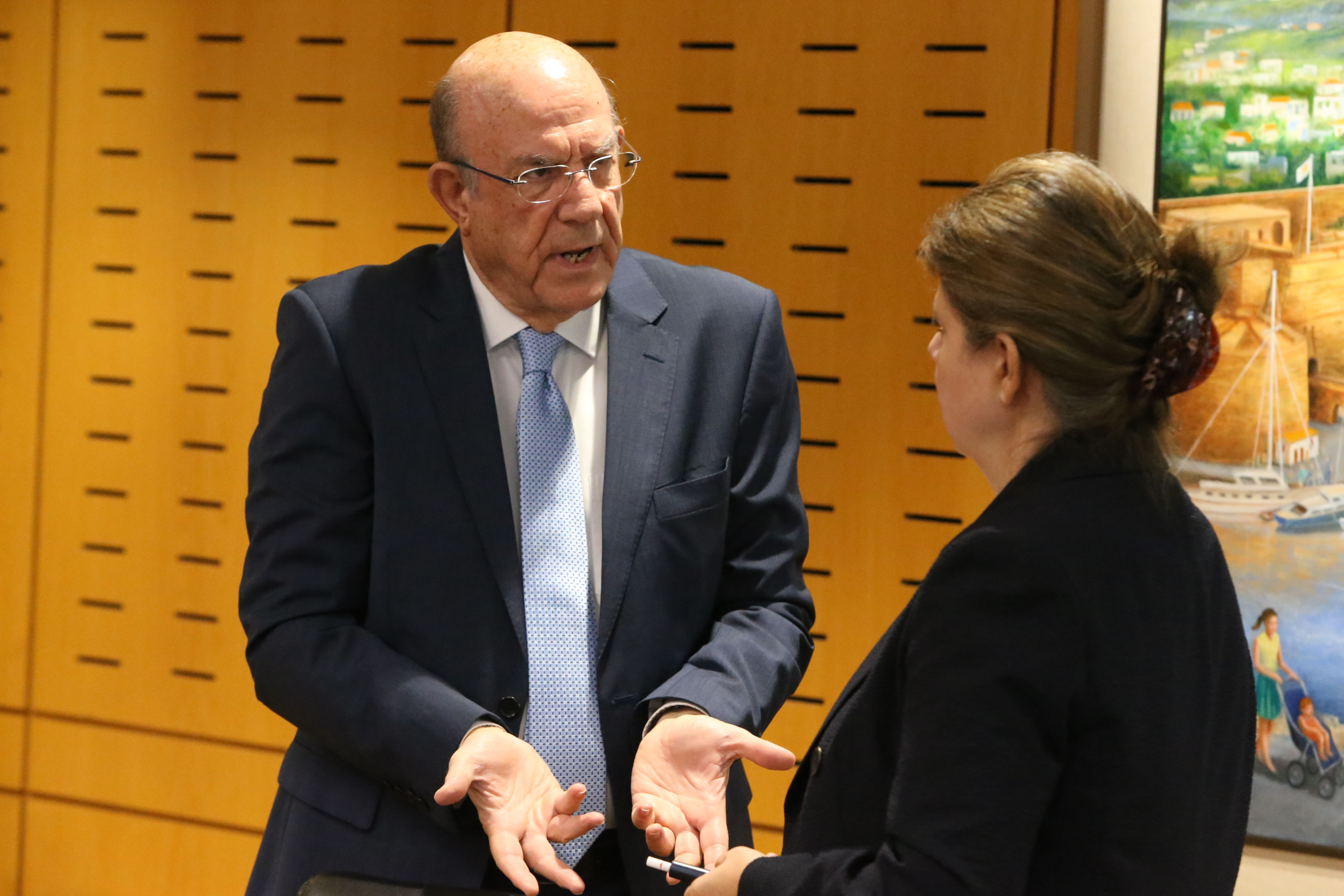
The Cyprus economy is forecast to grow next year despite the economic headwinds amid ongoing crises abroad, the finance minister said on Monday presenting the state budget for 2027.
Makis Keravnos said GDP growth during the 2027-2029 period is projected at around 3 per cent on average, with inflation next year expected to subside to 2.5 per cent – down from 4.6 per cent overall for 2026.
The government’s balance sheet will again post a surplus in 2027, hovering at around 3.9 per cent of GDP.
Meanwhile public debt as a percentage of GDP would continue falling next year.
Speaking to media after presenting the budget in parliament, Keravnos said the external environment is particularly adverse amid escalating armed conflicts – the wars in Ukraine and the Persian Gulf.
These conflicts have created a serious energy crisis, creating pressures on European economies and impacting individuals and businesses alike.
For this reason, he described the 2027 budget as “people-centred”, noting that the government plans more welfare spending as well as targeted measures to tackle the rising cost of living.
‘Safeguard the future’
“The overriding objective is to safeguard the future and the economy’s prospects under these adverse conditions.”
Citing Central Bank data, the minister spoke of a small uptick in deposits by resident corporate depositors (not including the financial sector). There was also an increase in loans, while banks continue to maintain high levels of liquidity.
The draft budget submitted to parliament provides for €13.59 billion in revenues and €14.40 billion in expenditures.
According to Keravnos, 42 per cent of projected revenues derive from indirect taxes, 44 per cent from direct taxes, 3 per cent from EU-funded programmes, and 11 per cent in other revenues.
Regarding the tax reform enacted this year, the minister said tax revenue has shown a slight increase.
On the expenditures side, the public payroll accounts for 26 per cent of the budget, 13 per cent concerns operating expenses, 31 per cent are transfers, and 23 per cent loans and interest.
The minister claimed that employment in the public sector has declined by 2,242 persons; he was comparing June 2026 to January 2012.
As to the Recovery and Resilience Facility – allocating €1 billion to Cyprus – Keravnos said that to date €709 million has been disbursed. The eighth and ninth tranches – totaling €283 million – are expected in December.
Major infrastructure projects budgeted for the next three years include the new Cyprus museum, construction of the Denia-Akaki-Astromeritis and Paphos-Polis roads, the State General Laboratory building, and the new building for the attorney-general’s offices.
The government has also set aside €4.28 million for the purchase of a firefighting plane.
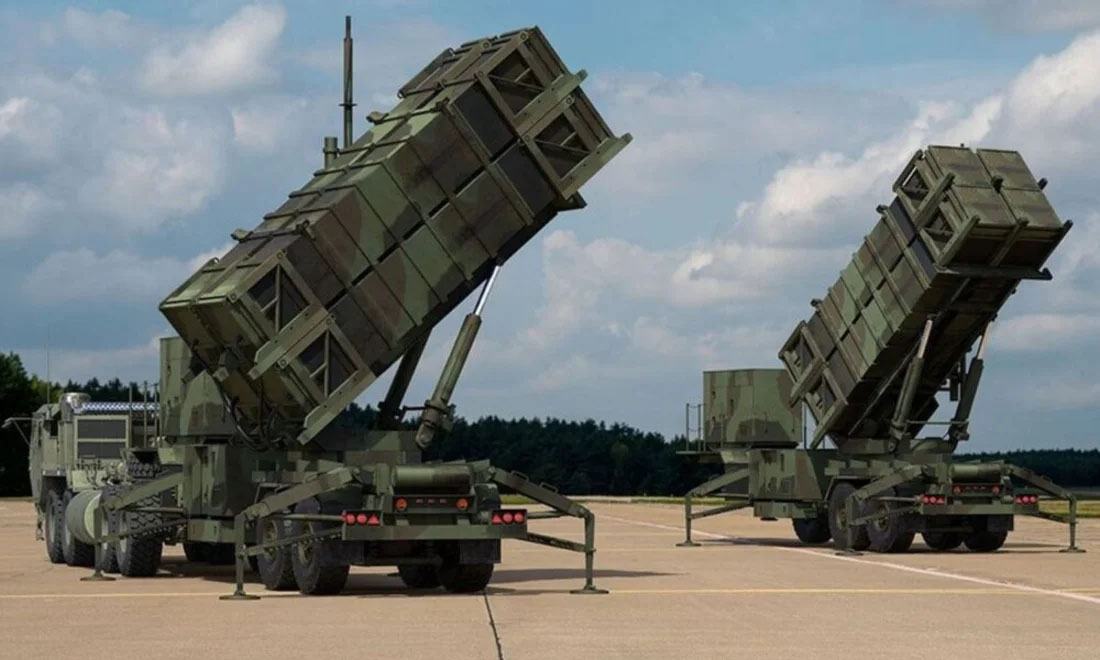
Planned armament expenditures for 2027 come to €250 million.
And €182.9 million will go to local government organisations.
Stalled works at Vasiliko
Keravnos said the stalled LNG project at Vasiliko poses the chief fiscal risk on the domestic front. Another risk is the possible need to purchase greenhouse gas emissions allowances should Cyprus veer from its national climate targets.
External risks include a possible worsening in the geopolitical situation, and a further burdening of public expenditures due to the fallout from climate change, such as natural disasters and compensation to farmers.
In remarks later, opposition Akel accused the government of forging an artificial picture of the state of the economy.
“Macro-economic indicators can neither be eaten nor can they fill up petrol tanks,” Akel MP Aristos Damianou said.
“Thousands of households are being squeezed by the rising cost of living, rising housing prices and financial insecurity. Inequalities are widening, and people’s purchasing power is being eroded.”
In a stinging rebuke, the Akel MP added: “Society needs policies that address the problems, it needs a government with social sensibilities and reflexes. What is needed is not just numbers that look good on paper, but for people to live better. Unfortunately, this government neither wants to, nor knows how to, nor is able to deliver.”
Great Sea Interconnector
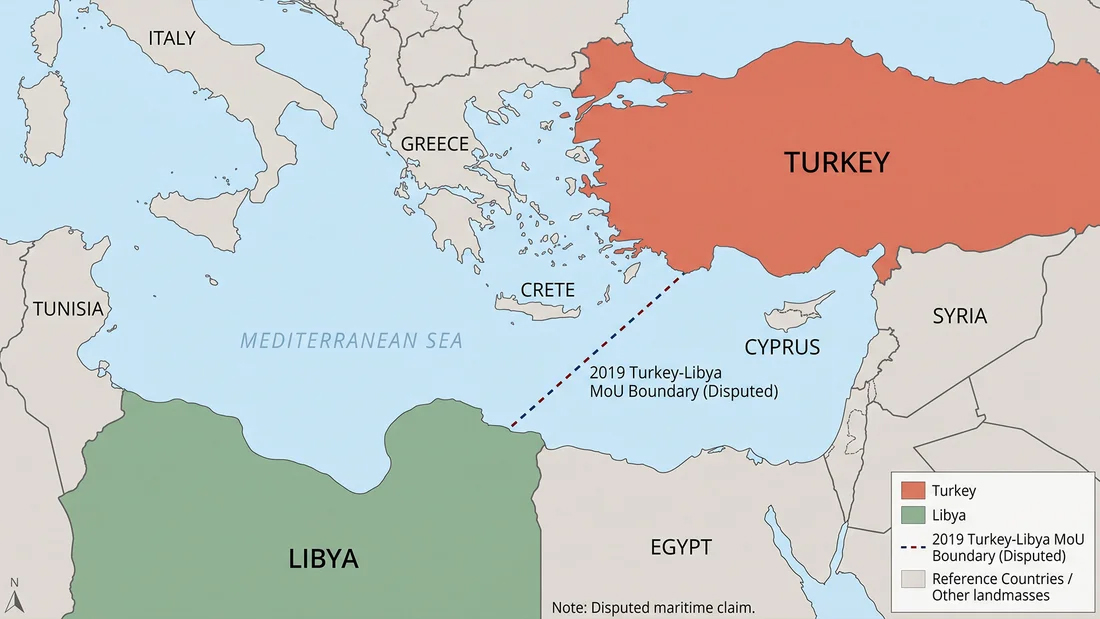
Other MPs grilled Keravnos as to the status of the Great Sea Interconnector – the mooted subsea electricity cable linking the Cyprus and Greece grids.
Disy’s Savia Orfanidou recalled that President Nikos Christodoulides recently pledged Cyprus would pay the €25 million to the GSI’s operator once a Navtex for seabed surveys is issued.
Therefore, she asked the finance minister, does this mean that questions over the GSI’s financial viability are no more.
Keravnos did not answer the question directly, saying only that the government’s position is expressed by the relevant minister – meaning the energy minister – and the president.
He said the administration recognises the strategic significance of the interconnector, but the project should go forward only if it does not unduly burden Cypriot consumers.
Disy MP Charalambos Petrides noted that whereas the president has spoken of armaments spending amounting to 2 per cent of GDP, in the state budget these expenditures come to just 0.46 per cent.


Click here to change your cookie preferences