
The decision not to send a forensic pathologist to the scene of the 17-year-old schoolgirl’s death in Kakopetria has come under criticism from former state forensic pathologist Marios Matsakis, who warned that the absence of an immediate examination may have affected investigators’ ability to establish the time of death.
Speaking to Omega TV on Monday, Matsakis said that when police request the attendance of a forensic pathologist at the scene of a death, the specialist should respond, even if the examination ultimately reveals nothing significant.
“The police are responsible for investigating a death. The police decide whether a forensic pathologist is needed. If they decide one is necessary, then the forensic pathologist must go to the scene, carry out an examination and assist the police,” he said.
His comments followed confirmation by police that investigators had contacted the on-duty forensic pathologist after the teenager was found unconscious in a hotel room in Kakopetria late on Saturday night.
According to a police spokesman, officers considered the specialist’s presence necessary and made contact by telephone. The forensic pathologist, however, decided that attending the scene was not required under the circumstances.
Police said they had followed the relevant procedures for investigating sudden and unexplained deaths.
Matsakis questioned the decision, arguing that an examination at the scene can sometimes provide more valuable information than the subsequent postmortem.
“The examination of the scene by a forensic pathologist is very important. Often it is more important than the autopsy itself,” he said.
He explained that examining the body at the scene, including taking its temperature, can help establish the approximate time of death.
Without such an examination, he argued, investigators may have lost an important opportunity to establish that timeline.
Matsakis also questioned why another forensic pathologist was not contacted, saying he had spoken to a colleague who confirmed that he had not been called.
He acknowledged that there may be circumstances preventing the on-duty specialist from attending but argued that arrangements should exist for another forensic pathologist to respond.
“If there is a serious impediment, then there must be the possibility of calling the next person,” he said.
He added that he was unaware of any specific legislation requiring forensic pathologists to attend every scene, but maintained that responding when requested by police was a fundamental part of their professional responsibilities.
Matsakis also called for an independent review of the operation of Cyprus’ forensic medicine service, arguing that longstanding shortcomings should be addressed rather than revisited only after a tragedy.
He suggested that an independent forensic specialist examine how the service operates and recommend improvements.
Questions have also been raised about the timing of the postmortem examination, which was scheduled for Monday afternoon, almost two days after the teenager’s death.
Police said they had requested that the examination be carried out as soon as possible, but that the decision on timing rested with the forensic pathologists.
Matsakis said he believed the examination should have taken place on Sunday morning, stressing that the sooner a postmortem is performed, the better.
He cautioned that the examination might not immediately establish the cause of death. If no clear findings emerge, samples may need to be sent for specialised laboratory examinations, potentially delaying the results.
He also raised concerns about the time required for histological examinations, saying that some samples are examined by a specialist based in England.
Meanwhile, police said their investigation remains ongoing, with witness statements, evidence collected from the hotel room and CCTV footage being examined. Investigators have so far found no indication of criminal activity, although the cause of death has yet to be established.
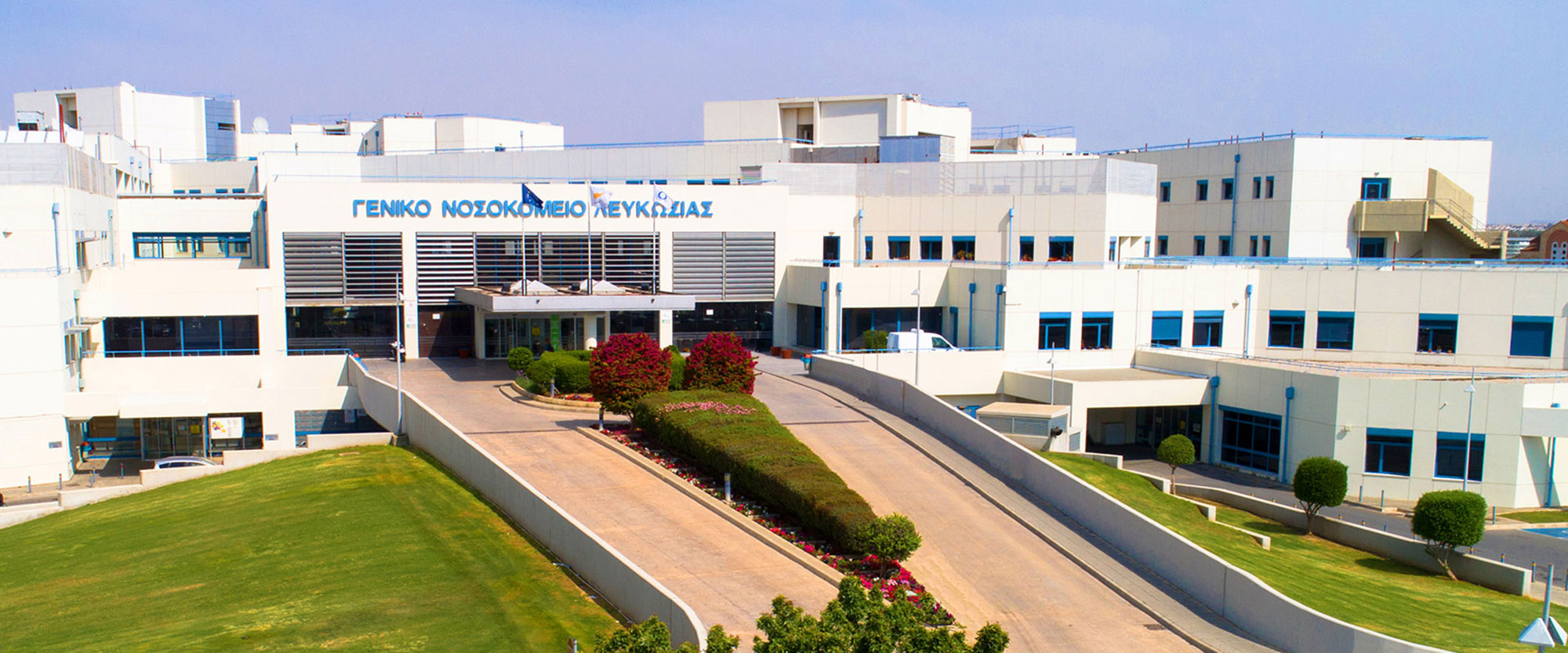
The postmortem examination was scheduled to be carried out at Nicosia general hospital by the head of the forensic medicine service, Angeliki Papetta, and forensic pathologist Orthodoxos Orthodoxou.
Click here to change your cookie preferences