
At last, slightly longer days and a clock change at the end of the month. Gardens are coming alive again after the cold wet winter and we can hope for warmer days ahead again.
Cercis trees, with their early red flowers that appear before any leaves, will delight you as you drive along the highways, but they may be too big to grow in your garden. They stand out proudly amongst the usual fir trees lining the sides of the roads.
Cercis trees can live for a very long time but, alas, are susceptible to various cankers which can shorten their lives.
I am sure you know the story connected to them. Their common name, as well as ‘redbud’, is the ‘Judas tree’ as it is said that Judas hanged himself from one after he betrayed Christ.
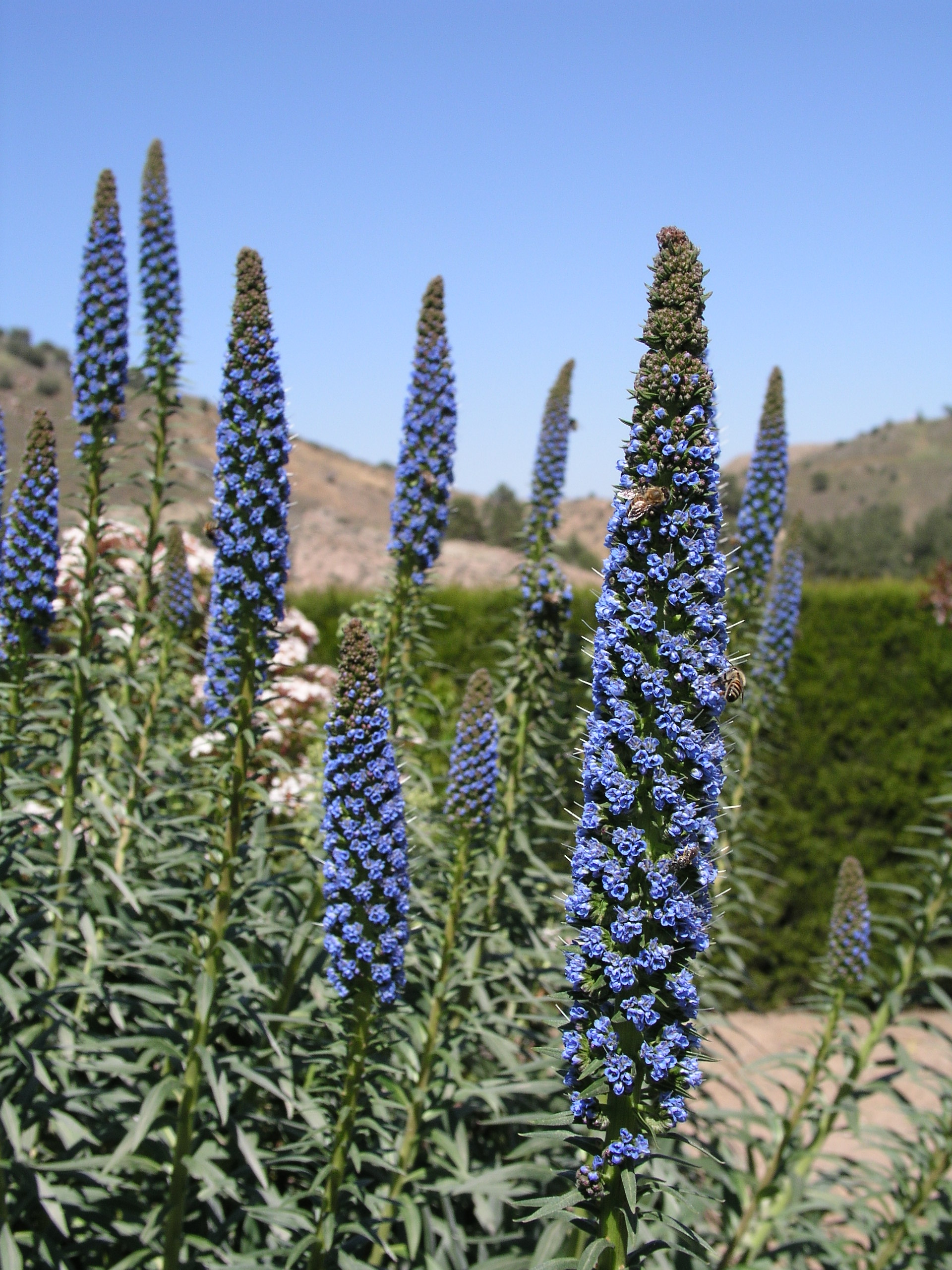
Amongst other trees and shrubs sharing their spring beauty with us are Echium webbii, a favourite of the bees around here and Viburnum tinus with pretty pink buds, which will become tiny white flowers in a little while.
If you like red in your garden then grow Photinia ‘Red Robin’, which is very pretty but somewhat short lived.
You also might like to try Lycianthes rantonnetii which has been in flower for most of the winter with its dark blue flowers and sometimes known as the potato vine, as it belongs to the same family.
I always look forward to seeing my Candelabra Aloe send up its big branched flower stems about this time. It has its uses even after the flowers have gone over, especially if you are a floral artist, when its bare branches lend themselves to modern arrangements.
Almond trees will be sharing their pretty flowers with us. I always think that it is a pity that they do this so early in the season, when the weather is quite unpredictable and many of the flowers are blown off in winter storms, but they seem to thrive in our hot summers and cool winters.
Nowadays the most well-known almond orchards are in California and are their most famous export. However, there are so many flowering trees there and not enough bees to fertilise the flowers, that hives are shipped in from across the country to do that vital job. Afterwards they are shipped back to their own orchards where they can fertilise the flowers there. I don’t think that we have that problem here, or do we?
Some of your spring bulbs may have finished flowering so don’t let them make seed pods, as this is the time to encourage them to concentrate on making the flower for next year within the bulb.
I was disappointed with my ‘Paper Whites’ this year as only a few flowered – could have been the long, hot summer followed by the cold, wet winter, or indeed over-crowding could be another cause, as they have been in the same place for a few years now. So perhaps the remedy, once the foliage has died down, is for me to dig them up, let them dry and replant them in the autumn.
Other bulbs like cyclamen, produce seed pods from the pretty flowers, which over time will burst open. Assisted by ants, who move the ripe sticky seeds and leave them to germinate in various places, they will in time produce many new clumps of these sweet plants. They are well worth growing in your garden and at this time of year their mottled leaves alone are worth it.
Keep checking any of your cuttings. A reminder that they do thrive on bottom heat and using a clear plastic bag tied over the plant pot will give the cuttings some warmth and humidity that they need for any roots to form.
Although I have had one or two cold frames in my time here, I find that this simple method never fails. Let the soil warm up a little before sowing seeds and always keep some in reserve lest they don’t germinate.
I decided to grow some large sunflowers this year and already they are doing well despite the weather but I did start them off in pots. In the summer the bees just love them and crawl all over the big round flat faces gorging themselves before flying back to the hives.
I also managed to save some Matucana sweet pea seeds last year and I hope to enjoy the heavily perfumed flowers shortly. These are from some that I have had for years and were gifted to me by a friend.
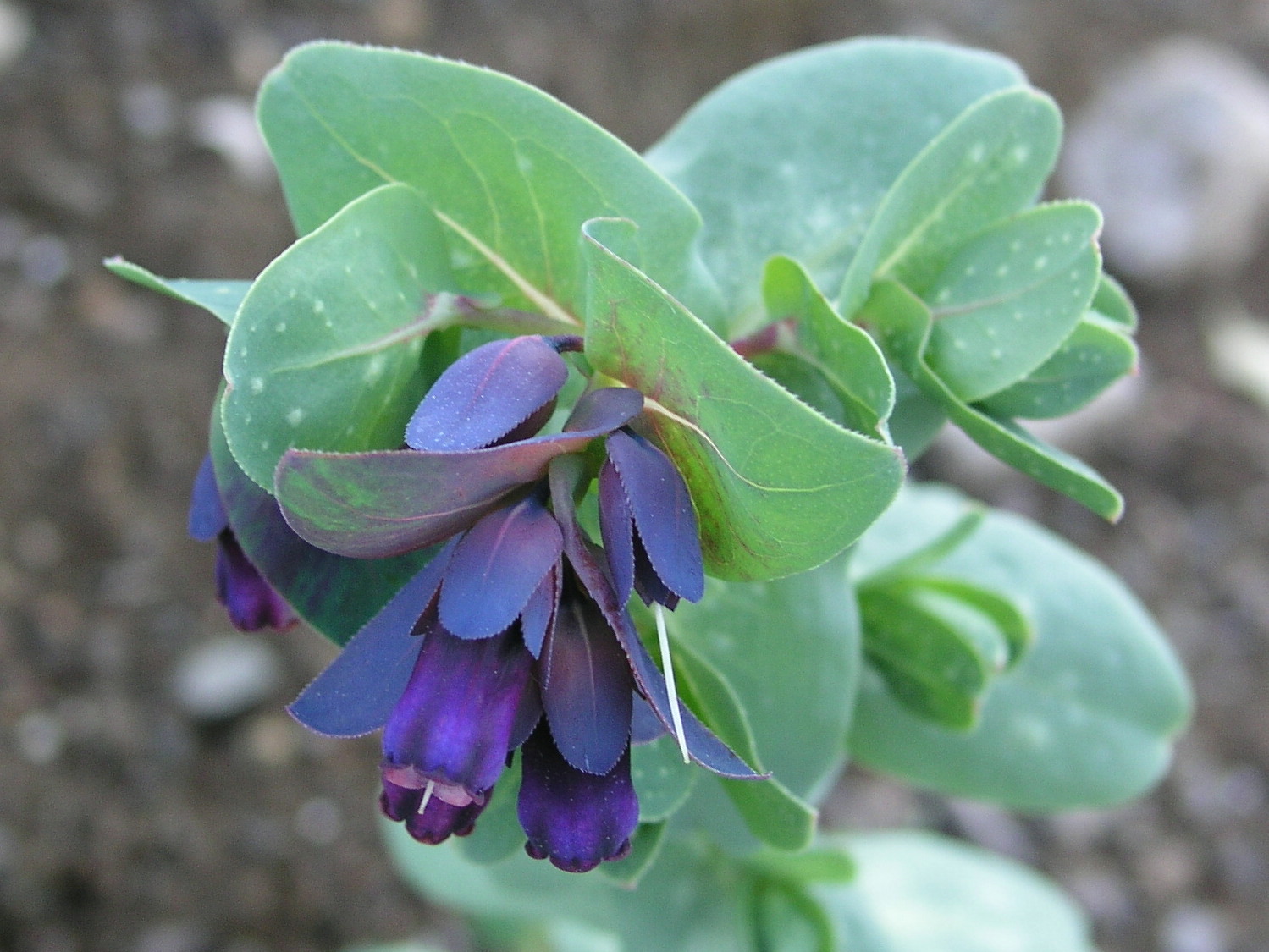
Cerinthe, another popular annual, from this part of the Med has interesting mottled foliage and deep blue flowers and may have germinated all on their own from any dropped seeds last summer, which were lying dormant around the flower beds and then with some rain followed by sunshine, burst into life again. These are sometimes known as Honeyworts and belong to the Borage family.
Other seeds you might consider are hollyhocks, larkspur (in lieu of delphiniums that sometimes don’t grow well here) and nigella, a pretty little fringed blue flowered plant.
Now that it is a tad warmer it is good idea to get out in the garden and look over any supports that may have been affected by winter winds, before a mass of foliage might just cover up any problems.
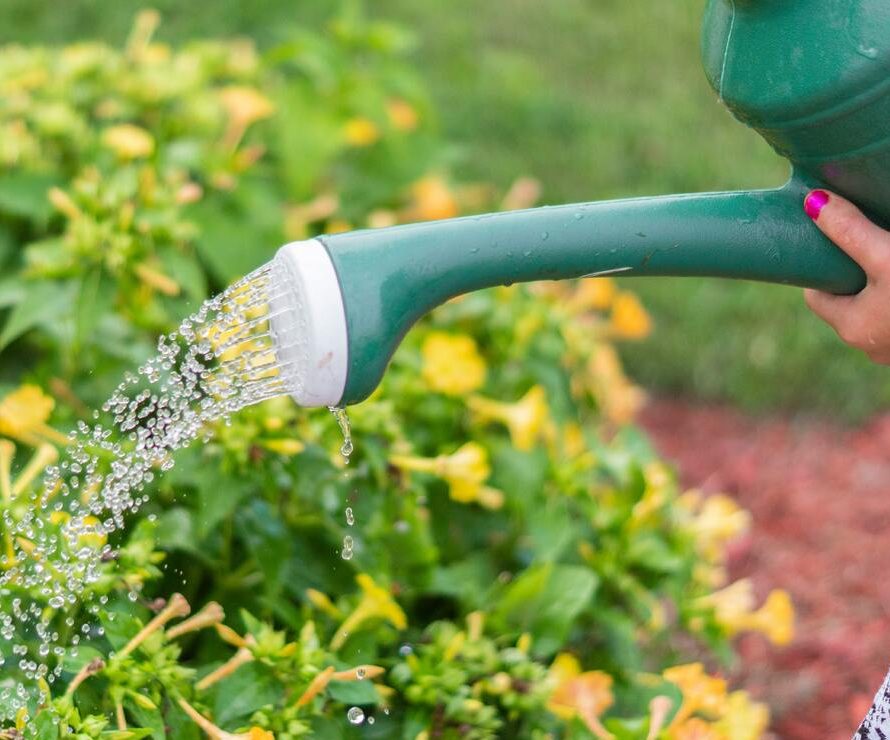
Irrigation pipes sometimes are exposed by heavy downfalls, which we have had in abundance this year, so have a good look around and perhaps re-position them and also check the little spray nozzles at the watering points, as the hard water here sometimes causes them to clog up.
I know that I am always reminding you about buying compost in bags from the garden centres or hard-ware stores. These days bought potting compost usually has a lot of recycled soil added to it, and has probably been in the bags for a long time and has become compacted.
There is nothing wrong in using recycled compost but it is better for mature plants than new plantlets which may need some cossetting, until they have settled in.
It is really important to turn the contents out and break up the lumps getting some air into it so that it is useful for seed sowing and moving on rooted cuttings.
Check on the bags and see what they contain. Some composts these days come with a little perlite added, but in my opinion, it is usually not enough, so add in another handful if you can get it. Perlite is commonly used in horticulture these days to enhance soil aeration, drainage and moisture retention, as it opens up the soil for the plants to prosper. (It usually comes in rather big bags, so perhaps you could share a bag with friends.)
Keep a watch on any potted plants. After all the winter rain a reminder that they might have become water-logged, so make sure that the saucers they sit in are not full of rain water.
Remove any dead leaves from potted plants such as amaryllis and make sure that the ‘head and shoulders’ of these large bulbs are above the soil level. They too may have been outside all winter and become waterlogged, although some gardeners do grow them in water but sitting on a stone base.
Interestingly, amaryllis need a resting period whilst they are dormant, so don’t start to feed them just yet.
Other summer flowering plants you may like to try are agapanthus, hemerocallis (day lilies) and dahlias, which come in many forms and colours.
Don’t forget hanging baskets, usually filled with petunias and other little trailing annuals and a reminder that a hanging basket that has just been watered can be quite heavy, so ensure that the hook it will hang from is quite secure.
Plant of the Month: Aeonium arboreum
I am not really a cacti and succulent person but some succulent plants belonging to the Crassula Family and natives of the Canary Islands, do particularly well in my garden. These sub-tropical sub-shrubs like to grow in a sunny or slightly shaded spot.
After the very long hot summer they were looking rather droopy along with many other plants, but since the winter rains started, they have had a new lease of life and have shot up to nearly two metres high and are full of fat rounded flower heads.
This plant will grow just as well in a pot as in the ground. Propagation is easy – just break off a stem and let the broken stem end callous over (that just means it dries off) and then push it carefully into soil or a pot, remembering that the stem can break easily.
Sometimes the leaves may be black, which makes a lovely contrast to the bright yellow flower heads and these particular plants are known as Aeonium arboreum, ‘Swartzkop’ meaning black head or in some places ‘Black Rose’.




Click here to change your cookie preferences