
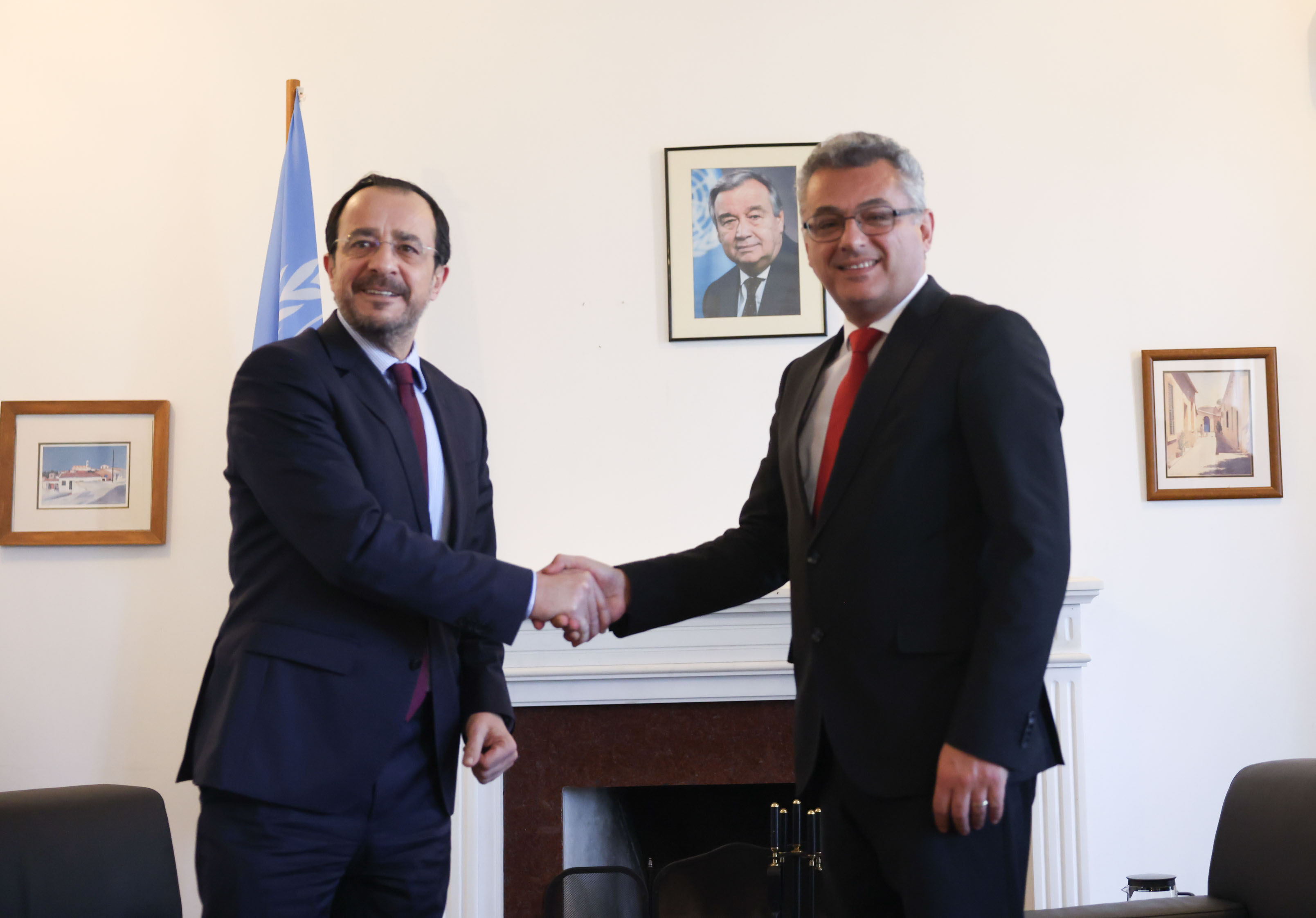
A plan to facilitate the conducting of religious services on both sides of Cyprus will be prepared by Turkish Cypriot leader Tufan Erhurman and President Nikos Christodoulides, after the pair agreed to work to prepare such a framework at a meeting on Friday.
According to the United Nations, the pair agreed to “work for the preparation of a plan for the conduct of religious services throughout the island”, with this plan to be drawn up in an initial six-month period and then being reviewed.
The plan comes after the Turkish Cypriot authorities had earlier in the week revoked permission for a pilgrimage to the Armenian Sourp Magar monastery to take place this weekend, with the Greek Cypriot side likewise having blocked the conducting of the traditional Eid al-Fitr pilgrimage to the Hala Sultan Tekkesi in Larnaca in March.
Of the cancelled visit to the Sourp Magar monastery, which is located in the Kyrenia district, Christodoulides had earlier said that “I see a tendency on the part of some to create obstacles to this great effort” to produce conditions conducive for progress towards the resumption of formal negotiations on the Cyprus problem.
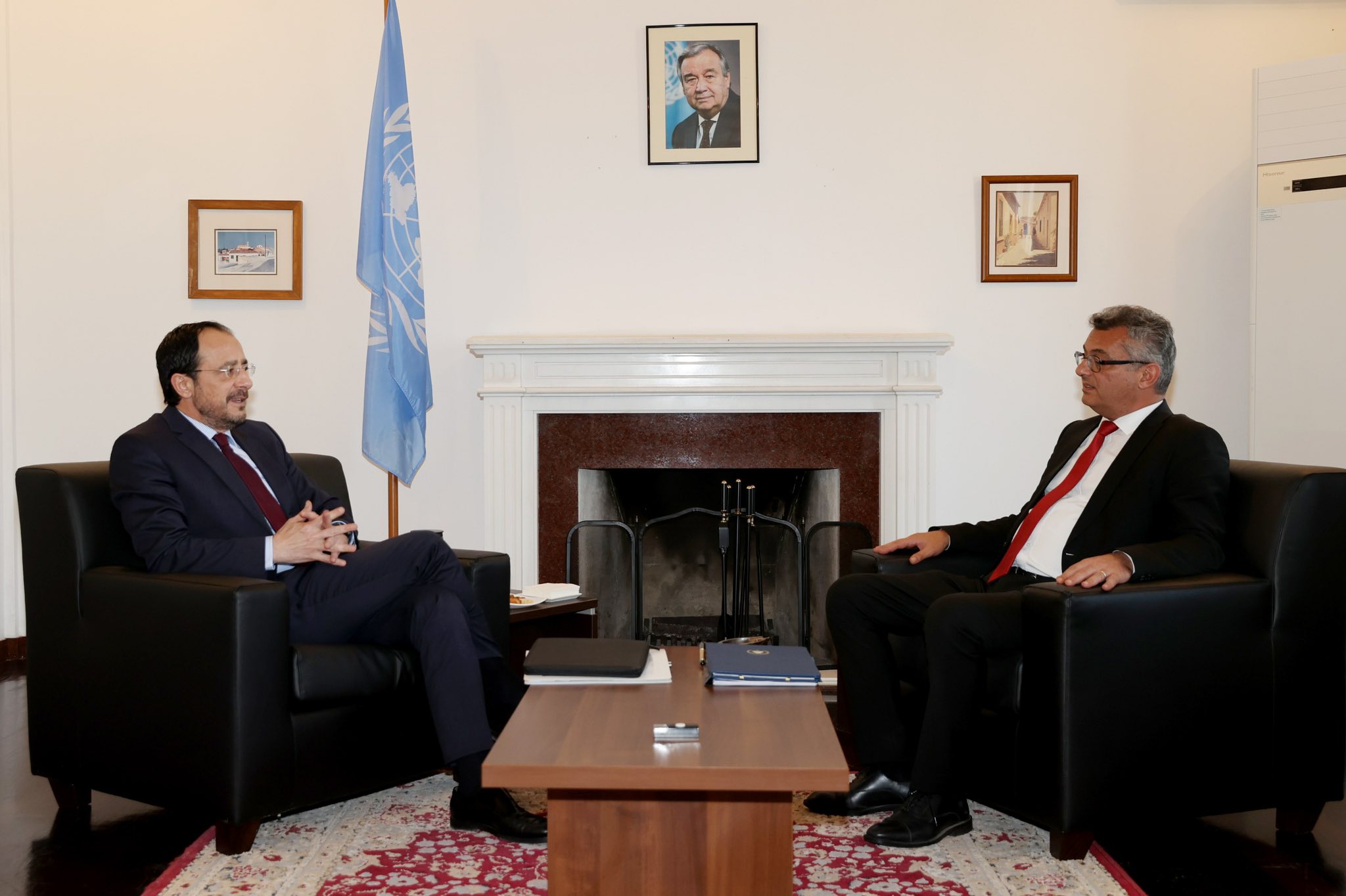
“So, in this effort, I expect [Erhurman] to face these problems, these challenges, from wherever they come, so as to show both his readiness and the fact that we are moving in the same direction,” he said.
In addition to the plans for coordination on religious matters, the pair also agreed to “continue to work towards a coordinated response to tackle foot and mouth disease”, according to the UN, with the disease now having been detected at more than 100 farms across the island in recent months.
They also agreed on a framework which will establish a “consultative body” for “civil society engagement”, and to create a sub-committee under the bicommunal technical committee on economic and commercial matters.
That sub-committee, the UN said, will be responsible for “the discussion of issues related to the designation of products already designated” by the European Union as products of protected designation of origin (PDO) and protected geographical indication (PGI).
One Cypriot product – halloumi – has currently been awarded PDO status, while more, including Hallitzia Tillirias cheese and Agros rosewater, are now listed on the PGI register.
News of plans for a new sub-committee to designate PDO and PGI products comes after Erhurman had announced last month that inspections of Turkish Cypriot halloumi producers are to begin with a view to allowing Turkish Cypriot halloumi to be exported across the Green Line and into the wider EU.
He wrote in a post on social media that the legislation allowing halloumi to be exported across the Green Line as a product of protected designation of origin (PDO) had entered into force in 2021, but that in the intervening five years, no inspectors were appointed to certify the producers and thus allow them to export their products.
Now, he said, Paris’ Bureau Veritas has been appointed to carry out the inspections and is “authorised to inspect the requirements specified in the regulation which will enable the trade of halloumi via the Green Line”.




Click here to change your cookie preferences