
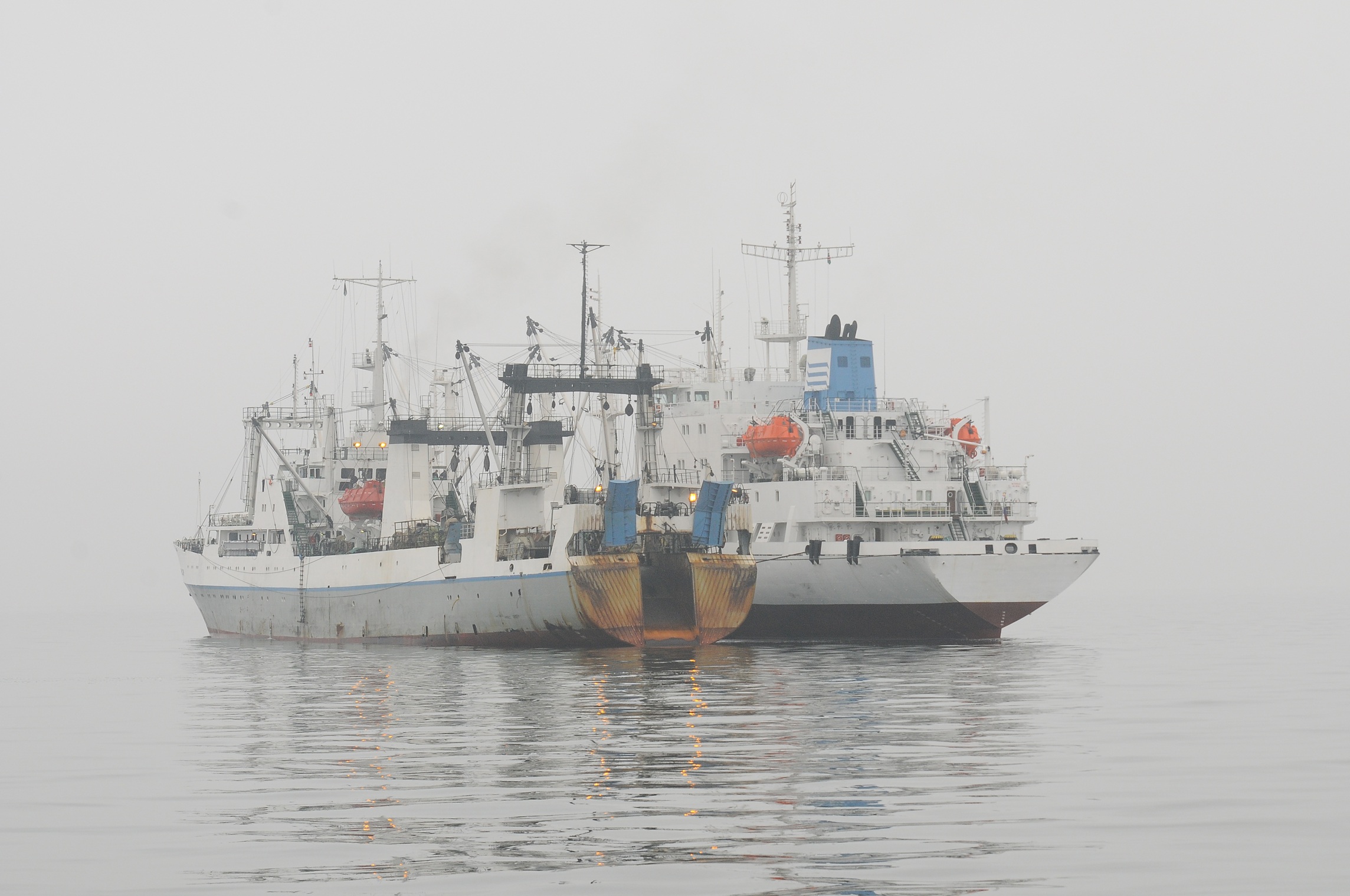
Cypriot fishing vessels in non-European Union countries need to address what has been described as critical gaps in law enforcement abroad, international advocacy group Oceana told the government on Tuesday.
“Transparency on vessel ownership is essential to enforce fisheries regulations, ensure illegal activities do not go unpunished, and prevent compliant operators from being undercut,” Oceana illegal fishing and transparency campaign director Vanya Vulperhorst said.
Oceana, referring to a recent report, said their findings have revealed links between Cypriot interests and a vessel registered in Equatorial Guinea.
“The implications of inaction are significant,” Oceana said, “to ensure that the EU market is free of illegally caught seafood, Member States need to improve both the accountability and control of these EU-owned vessels.”
Characterising the jurisdictions overseas as defined by “inadequate oversight and limited control”, the group said the lack of control enabled illegal fishing practices and resulted in “unfair competition” among fishing companies.
In its appeal to the government, the group called for the full disclosure of the “hidden ownership” of the vessels, urging that information on the Cypriot companies that own them be gathered to address “a critical gap in law enforcement.”
Oceana said that in the recent past, it has identified at least 105 EU-owned vessels which had been registered in 20 different “high-risk countries”, with nearly one third of them authorised to export their catch to the EU.
The fisheries department said the report had been examined by the competent authorities and that according to their findings “no violation of the law occurred”.
“The fact that a company based or with interest in Cyprus is associated with a vessel flying the flag of another state does not automatically imply illegal activity or violation of the law,” the department said.
It added that Oceana had provided a briefing on the specific issue during a meeting in March 2026, as part of an exchange of views on various issues of concern to the organisation, as well as part of Cyprus’ assumption of the Presidency of the EU Council.
“At the same time, discussions continued regarding the possible creation of a registry of companies operating in the fisheries sector under the flags of third countries, with the aim of enhancing transparency and the exchange of information,” the department said.
In accordance with international law, the primary responsibility for the licensing control lies within the flag state of the vessel in question, it added.
It said it would “continue to collaborate with NGOs and other relevant bodies, recognising the important role they can play in enhancing transparency and combating illegal fishing”.





Click here to change your cookie preferences