
Negotiations on Cronos are in their final stages with first gas expected by mid 2028, Energy Minister Michalis Damianou said on Wednesday.
Speaking after chairing a meeting under Cyprus’ presidency of the Council of the EU, he added that while natural gas can support energy security in the short to medium term, infrastructure beyond 2030 must be assessed against the bloc’s climate and clean energy targets.
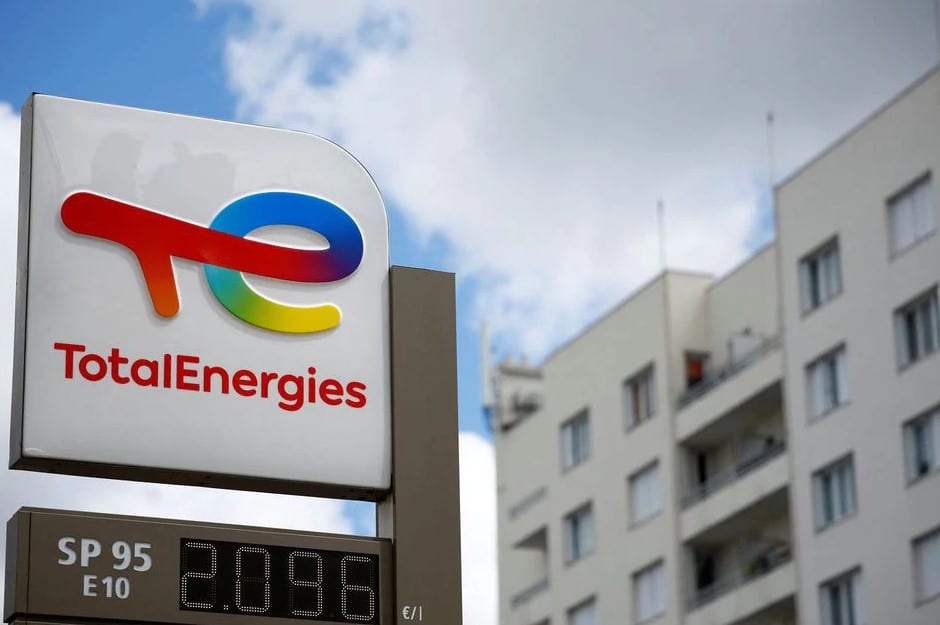
On the Cronos discovery, operated by a consortium of Eni and TotalEnergies, he said negotiations were in their final stages. Gas is expected to be routed through Egypt’s Zohr field before reaching European markets.
“If we reach an agreement within the next one to two weeks, we are targeting first gas by the end of 2027 or the first half of 2028,” he said, describing the development as positive for Cyprus and the wider region.
Damianou also provided updates on Cyprus’ offshore developments, saying the Aphrodite field was progressing according to plan. He noted that Chevron is advancing the front-end engineering and design (FEED) phase until January 2027, with a final investment decision expected within six months.
“We are targeting first gas in 2030 or 2031, and this is within schedule,” he said, adding that output would be transported to Egypt via pipeline.
Regarding discoveries by ExxonMobil, Damianou said these were progressing on schedule, with first gas expected around 2033 due to technical requirements.
He added that Cyprus could begin supplying liquefied natural gas to Europe within approximately two years if progress on Cronos is finalised, stressing that natural gas would act as a “bridge fuel” during the transition to cleaner energy and hydrogen technologies.
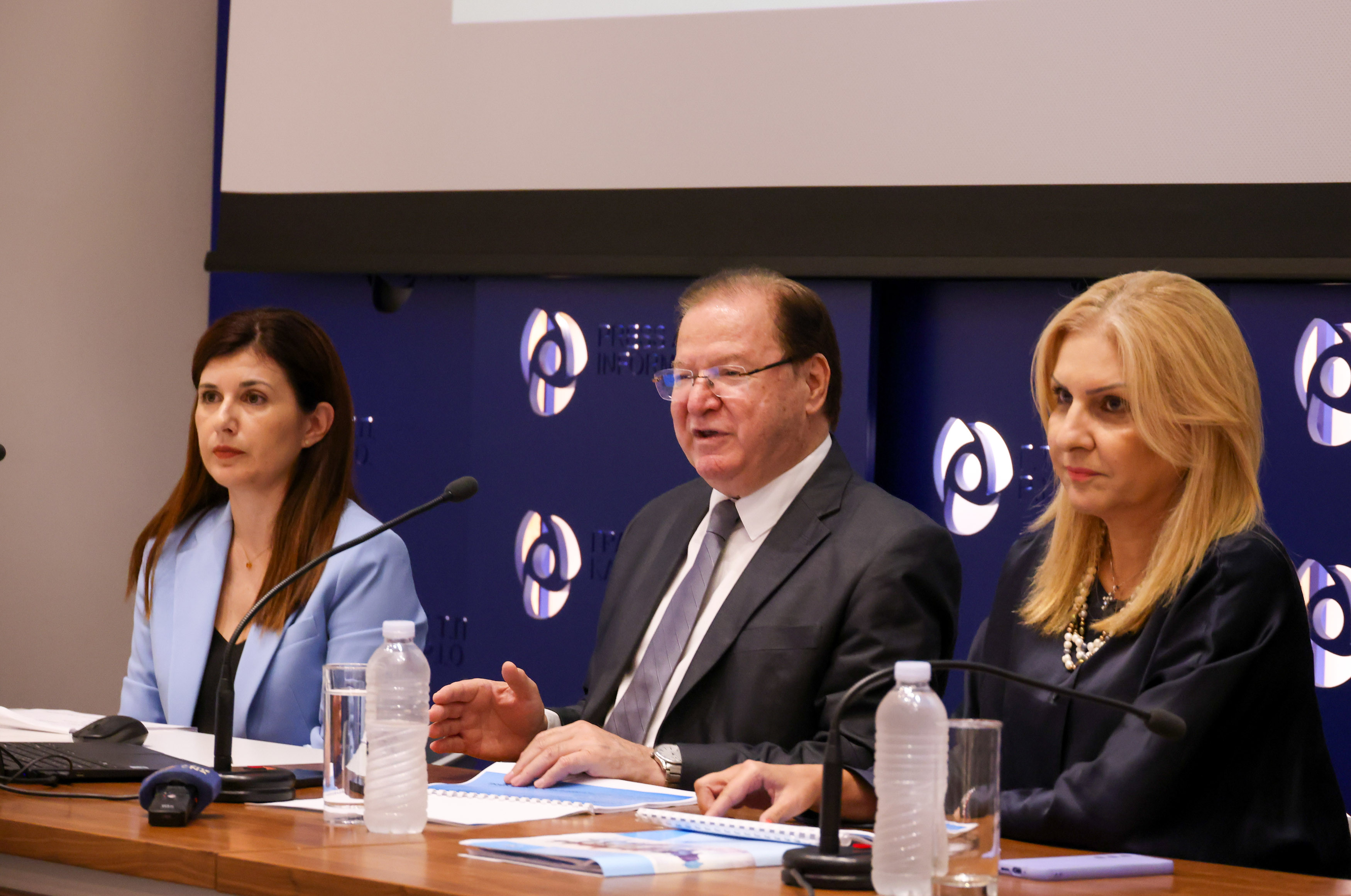
Presenting the outcome of the meeting, Damianou said discussions remained focused on building a competitive, resilient and strategically autonomous EU, with coordinated action and accelerated electrification key to reducing dependence on imported fossil fuels.
Ministers also examined the role of electricity storage in ensuring grid stability and supporting the transition to a climate-neutral economy by 2050, including ways to remove regulatory barriers and strengthen cross-border cooperation.




Click here to change your cookie preferences