
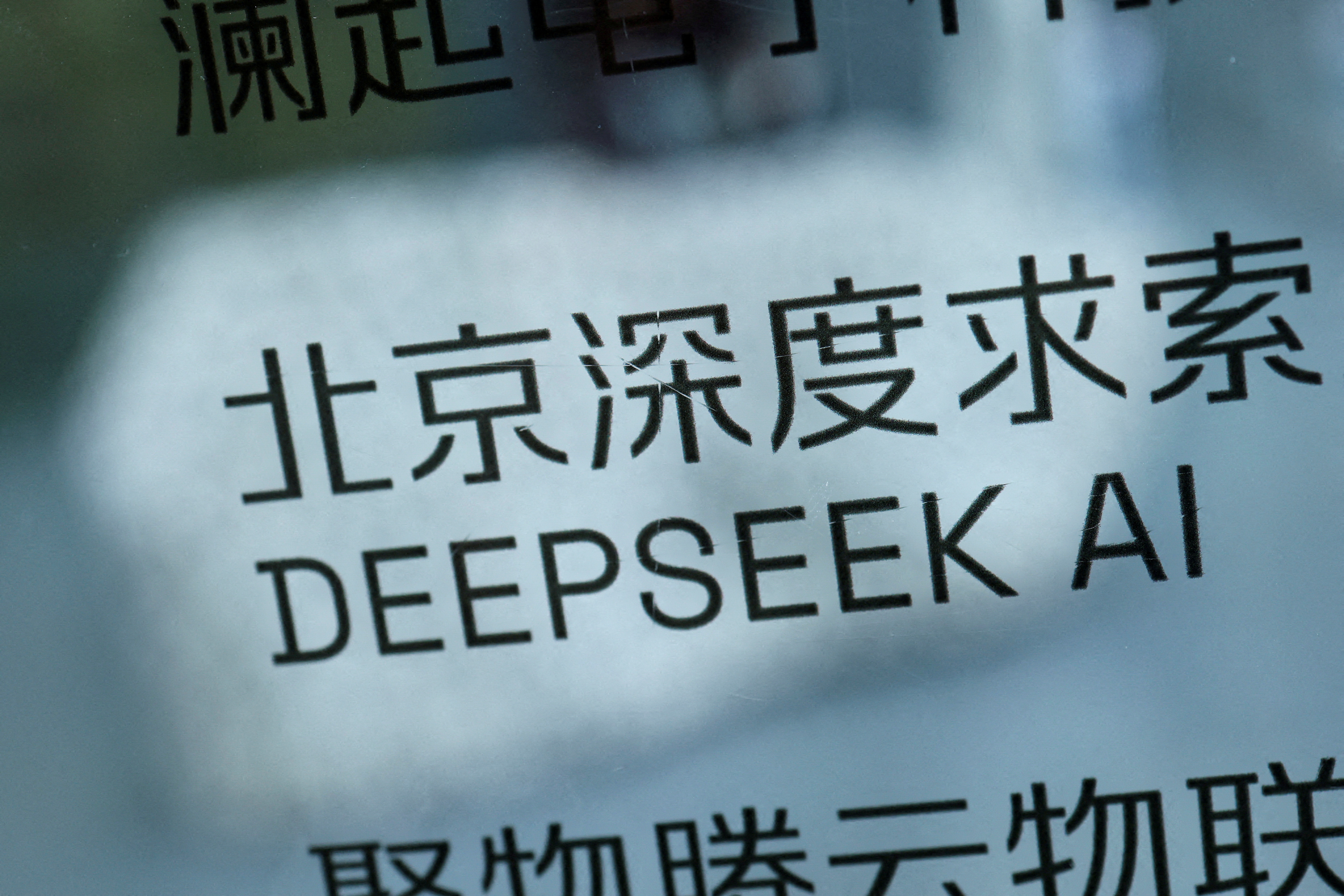
Chinese AI startup DeepSeek will be among the companies briefing the United Nations Security Council this week on the risks posed by artificial intelligence, two sources familiar with the matter said, as world leaders gather in New York for the annual UN General Assembly.
The 15-member Security Council is set to meet on Wednesday to discuss AI and international security, weeks after several AI industry leaders called for a coordinated slowdown of the development of the increasingly powerful AI systems, warning that they could soon improve on their own and slip beyond human control.
OpenAI CEO Sam Altman plans to brief the meeting, where diplomats also expect participation from senior representatives of Anthropic, Reuters reported last week.
DeepSeek and other Chinese AI firms including Moonshot have been invited to make statements, one of the sources said.
DeepSeek founder Liang Wenfeng does not plan to attend, the source said, cautioning that plans remain fluid and could change at the last minute.
DeepSeek and Moonshot did not immediately respond to requests for comment.
The UN Security Council, which is charged with maintaining international peace and security, met for the first time on the risks of artificial intelligence in 2023. At the time, China warned the technology should not become a “runaway horse” and the US warned against its use to censor or repress people.
UN Secretary-General Antonio Guterres warned world leaders last week that rapidly advancing AI poses risks that cannot be ignored, putting him at odds with US President Donald Trump, who has argued existing safeguards are sufficient and China would benefit from the doubt being cast on AI development.
Chinese state media have dismissed calls for a slowdown in AI development as stemming from a “Cold War playbook,” aimed at preserving Washington’s dominance in cutting-edge technology and excluding Beijing from the global AI governance system.
Unlike leaders of US frontier labs such as OpenAI and Anthropic, the heads of China’s leading model developers have rarely publicly articulated the possibility that increasingly capable AI systems themselves could deceive humans, evade control or cause catastrophic harm.
They have also remained largely silent on those risks since the debate intensified in the US this month.
Senior US and Chinese officials agreed to hold further talks on AI safety, US Treasury Secretary Scott Bessent said on Monday, after meeting ahead of Trump’s scheduled talks with Chinese president Xi Jinping later this week in Washington.





Click here to change your cookie preferences