
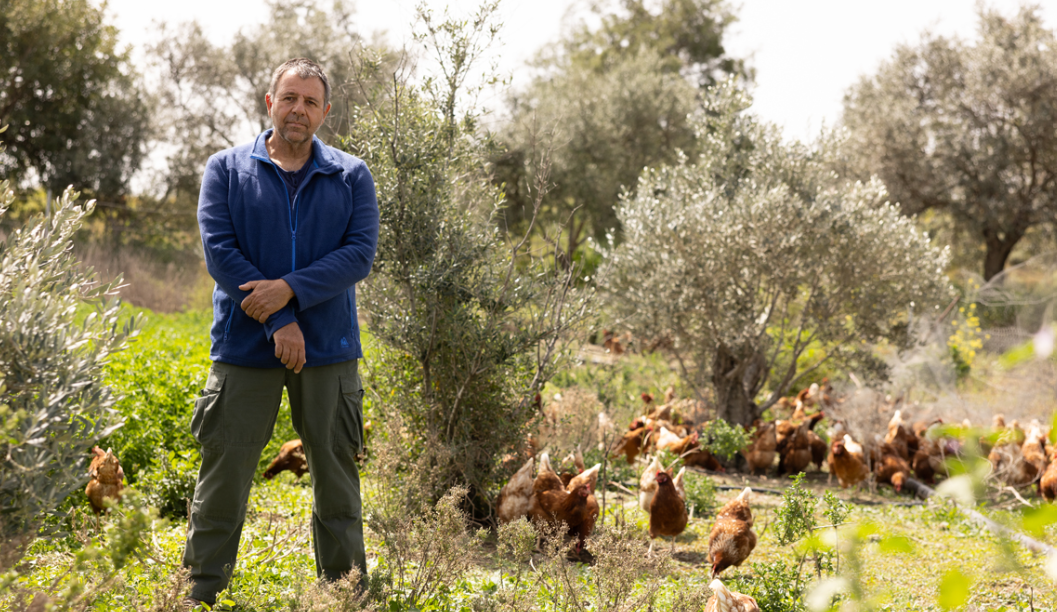
In the foothills of Mathiatis, one local has spent years building an organic farm where thousands of free-range hens, ancient olive trees and returning wildlife coexist
Organic since 2005, on the rugged foothills of Mathiatis, Ygea Farm runs on one defining principle: mother nature comes first. The wildlife has subsequently taken hold of its own accord.
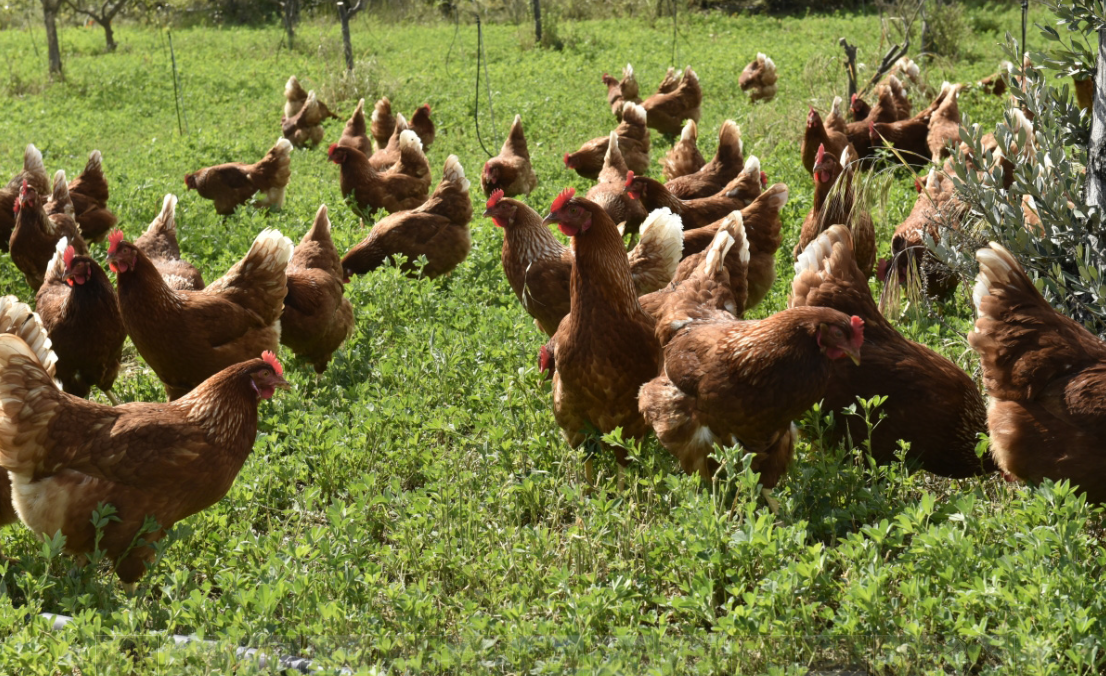
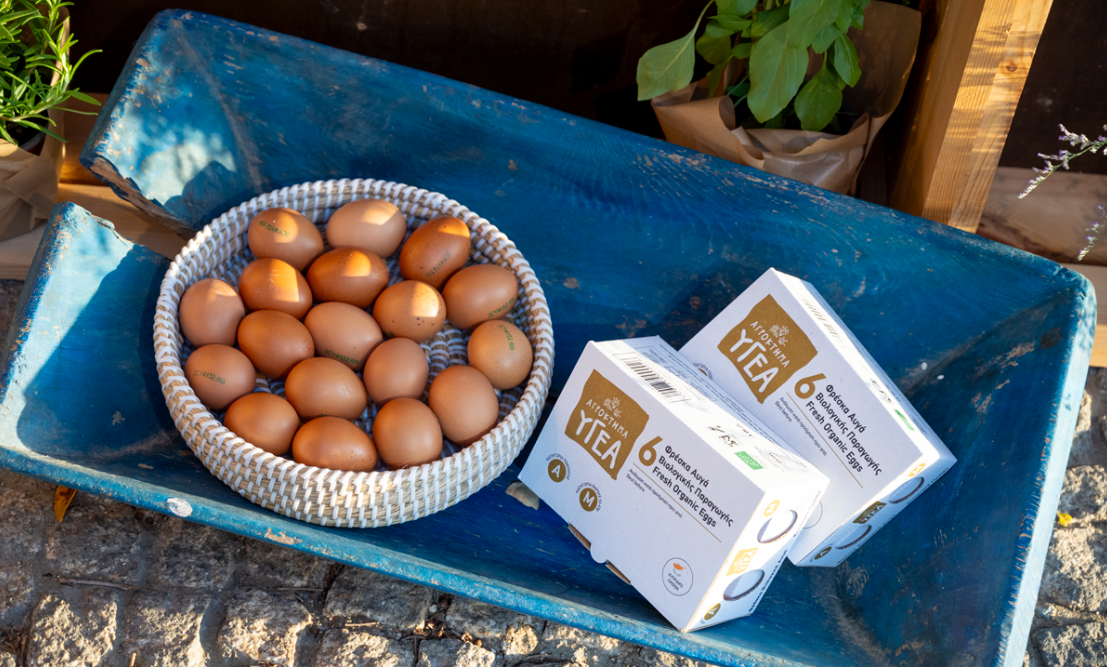
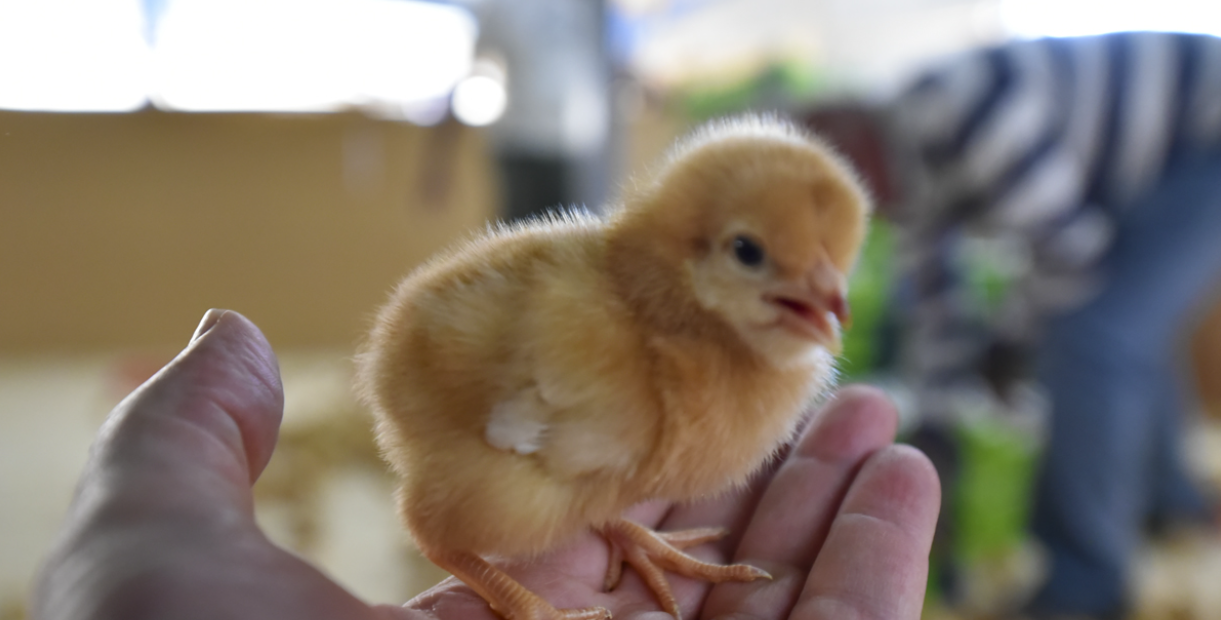
Its proprietor, George Constantinides hopes to see his arcadia recognised as one of the first farm nature sanctuaries in Cyprus. At its heart is a flock of 6,000 free-range organic hens, producing up to 150,000 organic eggs a month.
A farm built around nature
The hens themselves eat certified organic, non-GMO feed and are never caged, and no synthetic fertiliser or persistent pesticide is applied anywhere on the land. The birds enrich the soil as they range, and wild vegetation is left to grow freely.
The flock’s health is supported with sage, oregano, nettle cultivated on the farm itself in addition to being given organic cider vinegar. “Nature is my church and Mother Earth is my God,” Constantides proclaims.
The farm itself covers a vast sprawling 220 donums of owned land, with a further 140 rented from the state under a 100-year contract. “We may plant the trees, but we don’t interfere, we allow things to take their course. It’s nature that can live without us, we can’t survive without her.”
Ancient olive trees and a circular economy
Constantinides points to the volcanic, rich soil that has nourished the trees, and he plants more in the ground every year as his contribution to future generations. “These old trees here were planted by those who came before us, that’s what we are continuing here now”.
Among them are more than 2,500 olive trees, some thought to be up to 700 years old, whose olives are cold pressed to produce extra virgin and organic oil, rich in polyphenols.
Constantinides blends local Cypriot varieties with Koroneiki, which Greek growers have favoured since antiquity.
He traces such a habit to his years running the well-established Babylon bar in the capital, where he came to appreciate how whiskies are combined in order that each brings out the best in the other; the same logic, he says, applies to olives.
Little on the farm goes to waste, with its ventures designed to complement one another and provide work throughout the year. “We try to have a circular economy, we have the hens for the eggs, the olives, the carob trees and all the herbs; this is the paradise I wanted to create here,” Constantinides says.
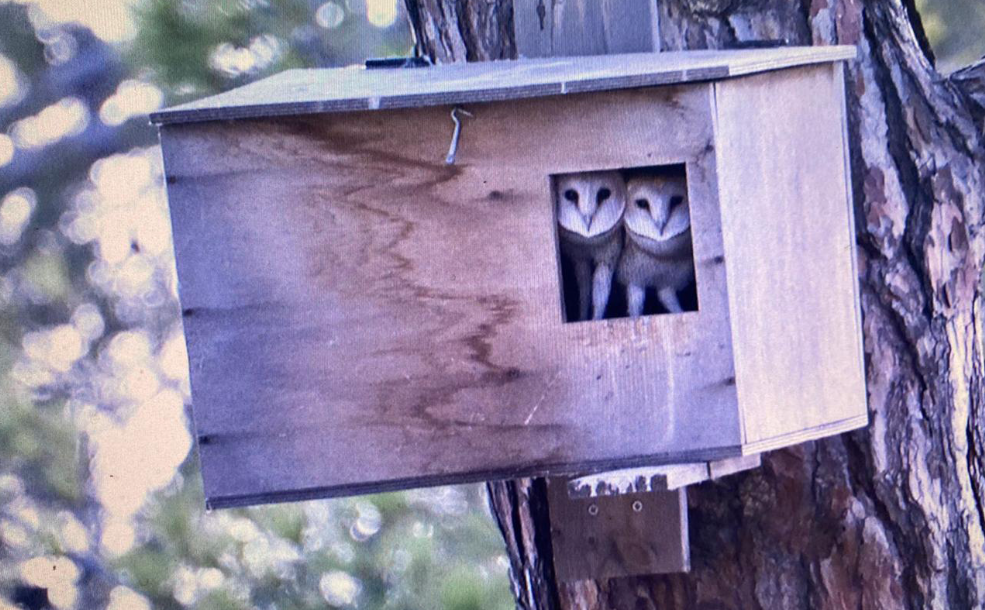
Wildlife has settled in accordingly, with endemic owls and hawks nesting in the stone pines, where the farm works with Bird Life Cyprus to protect the species. Vultures occasionally swoop in to inspect the hens, thus the shop mannequins guarding the fields as scarecrows.
His customers include restaurants, retail chains, the tourism sector and private buyers who seek eggs straight from the farm. Despite the undeniable demand, he has little patience for those who attempt to needle him on price. “We have a fixed rate. If they don’t pay, we don’t supply,” he remarks.
His approach to retired hens likewise refuses to yield to commercial pressure, with 2,000 birds replaced every 80 to 90 weeks by young ones reared in the nursery. The old hens are spared the slaughterhouse and given instead to local women of the village.
“I can’t stand killing them, I haven’t the heart,” he concedes.
At that stage the hens are still laying at about 60 per cent, which he considers ample for a grandmother who wants eggs for her family needs.
A personal connection to the land
The land admittedly carries a deeply sentimental value to the family, Constantinides being ten-years-old when the Turkish invasion cost his family its farmland, and his grandfather has been a missing person ever since.
When he began buying land himself, he first planted a tree in his grandfather’s memory on the farm. “I envy those who find their missing loved ones and can bury them, it’s my main wish,” he says.
He comes from a long line of men who have worked the land, first with dairy animals, goats and sheep, and now with hens and olives.
Passing the vision to a new generation
The next chapter in this narrative falls largely to his son, Orestis, a graduate in biology who initially weighed a master’s degree before deciding to come home. “Instead of continuing with studying, I chose to return and start learning practically on the job and continue this project that my father started,” he says.
His vision is to open the farm to visitors, with the plan to host cross-country races first, followed by farm open days on which groups can learn from organic farming methods or join in the work.
Orestis, himself a martial artist, plans for a training bootcamp on the land, along with a guesthouse for those who wish to stay for longer periods. Nearing completion is a visitor centre, a modest mountain lodge where the public can sample the farm’s produce.
There is an old Greek proverb that says a society grows great when old men plant trees in whose shade they will never sit. Constantinides and his efforts are certainly testament to such a philosophy.
“This will be my legacy, it’s what I wish to leave behind, and for the young to carry on as I have done”.



Click here to change your cookie preferences