
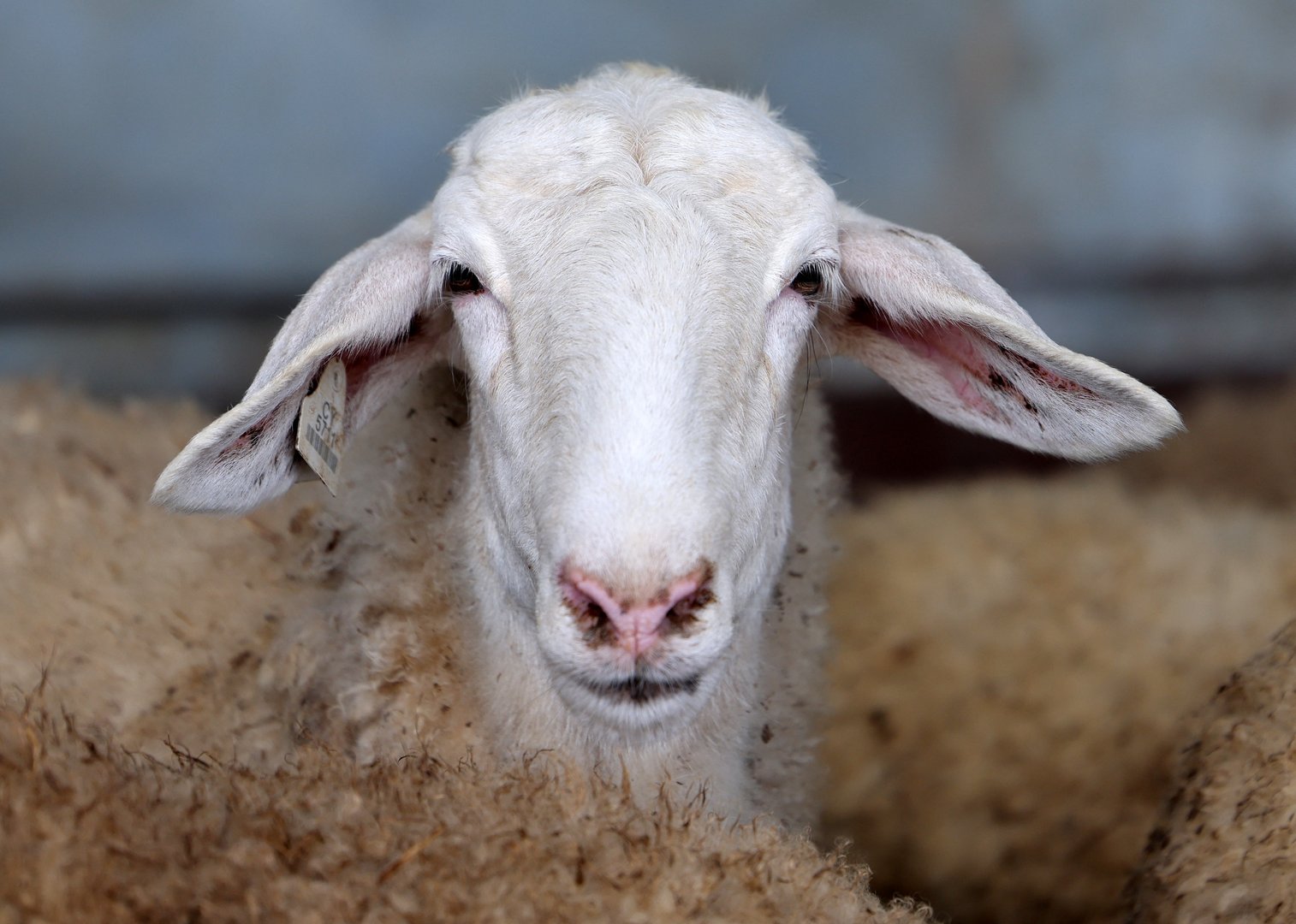
The Veterinary services are to officially record 3,000 cases of foot-and-mouth disease found in the summer in five livestock units, with the animals to be culled within days.
The units in question are in Avgorou, Dromolaxia, Alethriko, Aradippou and Pentakomo.
The department’s director Christodoulos Pipis said the cases were not recorded when they were found as the department was awaiting a European Commission decision to say whether they had to be declared.
Its doubts covered the epidemiological conditions, vaccination, the location of the farms in relation to the first outbreaks and the legal requirements for an official declaration.
Owners of the five units are due at the agriculture ministry at noon on Monday to be told what will happen.
Pipis said they will receive the same compensation as other affected farmers, covering the animals, milk, support for restarting and any losses.
Farmers are not satisfied, with Neophytos Neophytou, president of the “voice of livestock breeders”, saying he is displeased with the government’s handling and wants an immediate meeting with the authorities.
He has requested one on Monday with the farmers facing culls, with Pipis present, before any action.
“Let them come and talk and, if that’s what we’re saying, give it to us in writing,” he said.
Neophytou asked when payment would begin for restarting units, for the confinement of animals and for the animals’ value, and said the ministry had spoken of taking the issue to the cabinet.
The outbreak was first reported on February 20 in the Larnaca district, after an outbreak in the occupied north in December, being the first case in the government-controlled areas since 2007.
By March 21, some 44 farms had been affected, a farm counting as one incident as according to EU protocol every animal on a unit must be culled once a case is found; approximately 21,000 sheep and goats had been slaughtered since then.
The cabinet set up an advisory committee on compensation on March 5, and initial payments of up to €50,000 were approved for farmers whose animals had been culled.


Click here to change your cookie preferences