
THE WAY THINGS ARE
Rapid-read online news sources I soon forget, but printed articles reemerge to engage when recycling. Sinead O’Sullivan in The Irish Times in October wrote ‘The danger for Ireland isn’t that we make bad decisions – we don’t realise there are changes to decide on at all.’ Remind you of Cyprus?
While procrastinating over our urgent ‘problem’, Cyprus is upping its defensive weapons stance while Ireland is hanging on by its fingernails to its respected neutrality at the same time as belonging to a body with declared enemies and, as such, is not exempted from dangers the EU faces by being part of it.
A bomb threat at RTE, the Irish state broadcaster, was among other countries anonymously targeted in the EU. O’Sullivan’s comments brought to mind an Irishman working with the government here when Cyprus was preparing to join that valuable club. I asked him how small countries could compete with larger ones he replied, ‘Big or small, everyone has equal say.’
O’Sullivan raised the question of Canada’s deepening of trade, security and defence relationships with the EU, and Ukraine now being an official candidate to join. She continued, ‘…Europe is not only changing in size and structure, but in how much power it wishes existing member states to retain.’ She mentioned the size and industrial strength of Canada and Ukraine and other EU states, and the former’s enormous agricultural prowess.
Ireland, she said, is a service-based economy. A move from unanimity to majority voting may be hovering over the EU table, and what if EU member vetoes are outdated, ‘they can delay or prevent timely decisions,’ the article gave out. Should Cyprus be concerned?
She also worries that ‘Giving single market access to countries with comparatively few obligations, and doing so with limited vetoes, surely cheapens the benefits of “full” membership.’ Attack with tech weapons is now an instrumental disrupter of economic and civilian EU life, and tech saboteurs are getting smarter at hide and seek.
Years ago, author of espionage thrillers David Baldacci wrote a story (whose title I sadly can’t recall) in which a ruthless arms dealer created a series of incidents to bring major powers to war where he would be the beneficiary. He created ‘perceptions’ that had innocent states blaming one another.
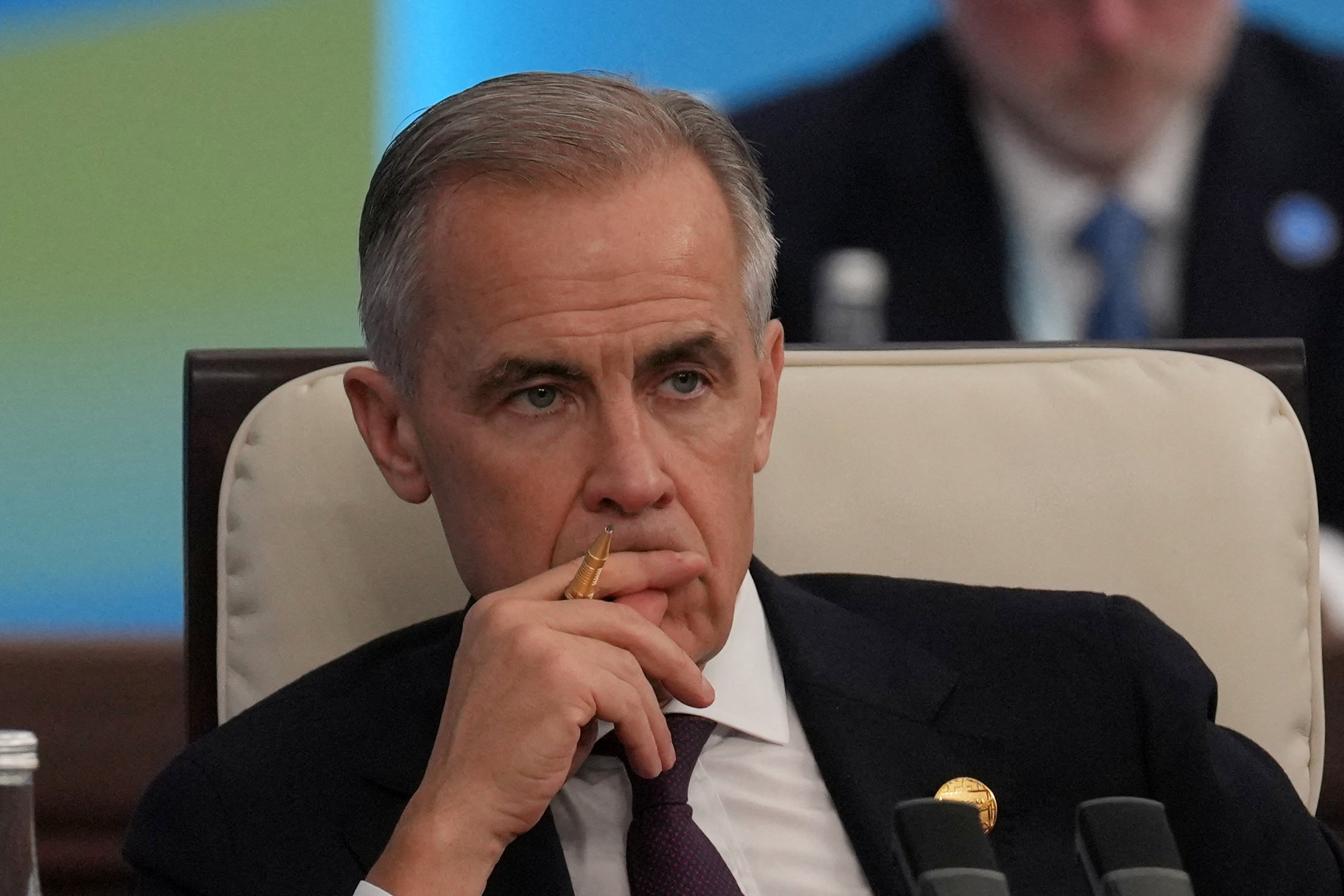
Mark Carney is highly respected and there is a great deal of sympathy for Ukraine, but if that majority vote arrived, would countries with more to offer industrially be given a greater say in the EU, as O’ Sullivan ponders?
We are looking at an elite political world in which any ‘perceptions’ people had of the trust, equality and fairness expected from democratic governments – even towards their own poor and vulnerable, have mostly evaporated.
The EU wholeheartedly helps Ukraine, while the unspeakable suffering of Gazans that many citizens worldwide decry, elicits empty pleas to an Israeli government that treats such entreaties with contempt, fears no serious actions. The UN has had patience with Cyprus, that protection lets us sleep easy at night.
Why is Israel given free reign to do as it wishes to a people they have dispossessed and repressed and, murdered in thousands, or the right to say who can do what in Palestinian territory? Why haven’t a majority of sympathetic UN members forced forward the ability, in the face of obvious, continuing war crimes, to form a protective blue line between Israel and civilians it tortures daily.
BBC interviewer Sarah Montague spoke to a commentator who blamed Hamas control for all Israeli actions and supply delays. She pressed persistently about tents not allowed into Gaza, would Hamas use the poles as weapons? He replied, ‘Some tents have dual technology.’ Hamas’ secret weapon exposed!
Click here to change your cookie preferences