
The assessment of an economy is generally based on key economic indicators, such as economic growth, unemployment, inflation, the fiscal balance and public debt. In recent years, greater emphasis has also been placed on social indicators, such as income distribution and the risk of poverty.
A recent publication by the Statistical Service of Cyprus sheds light on an additional critical dimension, that of economic resilience, by analysing the financial position (assets minus liabilities) of each institutional sector of the economy.
Overall, the Cypriot economy records a negative net international investment position of €31 billion, equivalent to approximately 82 per cent of GDP. This means that the country’s accumulated liabilities to the rest of the world exceed its corresponding external assets.
The expansion of this deficit largely reflects the long-standing development strategy of attracting foreign direct investment. This does not necessarily constitute a structural problem, provided that these investments generate tangible added value for the domestic economy and adequately cover the liabilities they create.
A meaningful understanding of the resilience of the economy requires a more in-depth analysis by institutional sector, as aggregate figures often mask significant underlying vulnerabilities.
Households record a positive net financial position of approximately €38 billion, with more than 50 per cent of their assets held in cash and bank deposits, while their exposure to equities and other ownership-related financial instruments remains relatively low. This reflects ample liquidity and a degree of security but limits diversification and long-term investment returns.
At the same time, significant wealth inequality poses risks to social cohesion. Strengthening the second pension pillar and encouraging households to move towards more diversified investment portfolios are considered necessary to improve future retirement adequacy and channel domestic savings into productive investments.
Non-financial corporations show a negative net financial position of €63 billion and remain highly dependent on bank lending, unlike in many other Western economies where capital markets and investment funds account for a larger share of corporate financing.
Although part of these liabilities is linked to special purpose entities and foreign-owned corporates with limited ties to the local economy, the high level of leverage makes domestic businesses vulnerable to interest rate fluctuations, highlighting the need to strengthen their equity base.
Meanwhile, the general government sector continues to carry a negative net financial position due to accumulated public debt, although sustained primary fiscal surpluses have steadily improved the debt-to-GDP trajectory and reinforced sovereign resilience to external shocks.
The financial sector records a marginally positive net financial position. In terms of value added, it has retained its pre-crisis size, albeit with a different composition: traditional banks have contracted, insurance companies have remained broadly stable, and investment funds have filled the gap. This creates a different risk profile.
Any disruption affecting investment funds or insurance companies, although lacking the systemic nature of the banking crisis of 2013, would directly affect investors and policyholders and would inevitably carry political implications.
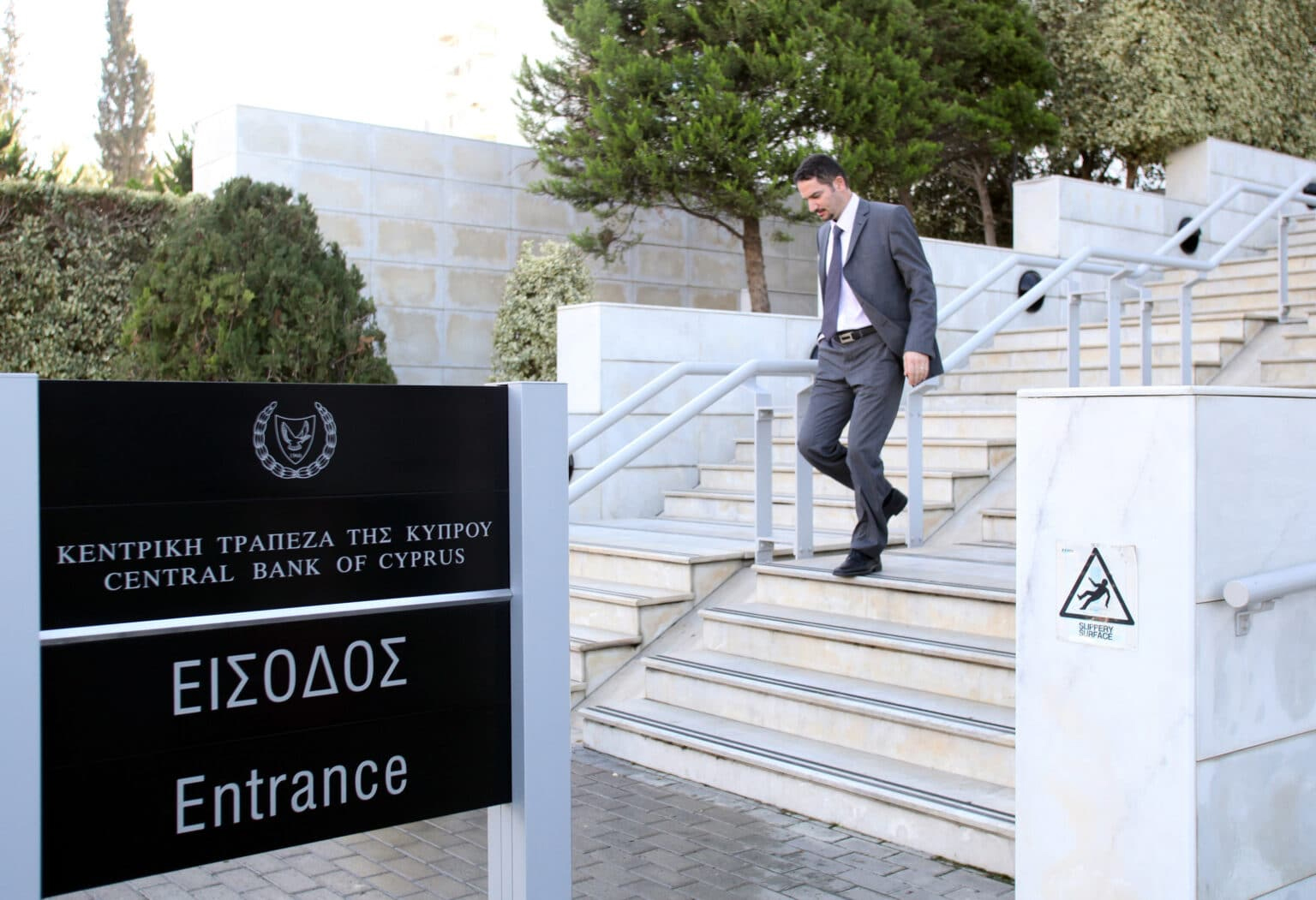
Finally, banks continue to display strong capital and liquidity positions. However, their increased profitability is, to a significant extent, driven by the excess liquidity stemming from household deposits, which is placed with the Central Bank and benefits from a substantial interest rate margin, while the net stock of domestic lending remains largely unchanged.
This dynamic underscores a structural bottleneck: abundant liquidity is not being effectively channelled into the real economy to finance the green and digital transitions.
Andreas Charalambous is an economist and Chairman of the Cyprus Fiscal Council. Omiros Pissarides is an economist and member of the Cyprus Economy and Competitiveness Council. The views they express are personal.





Click here to change your cookie preferences