
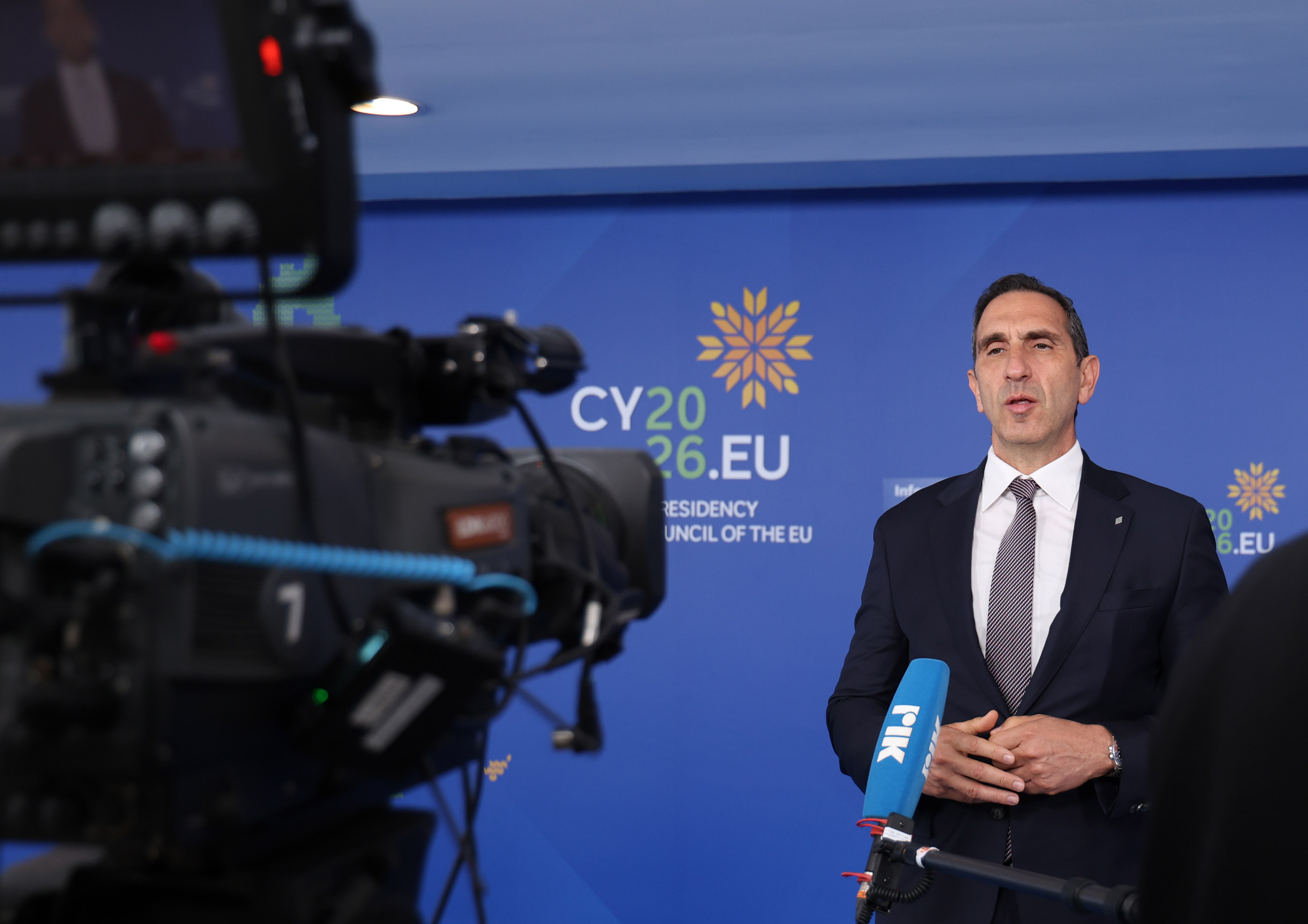
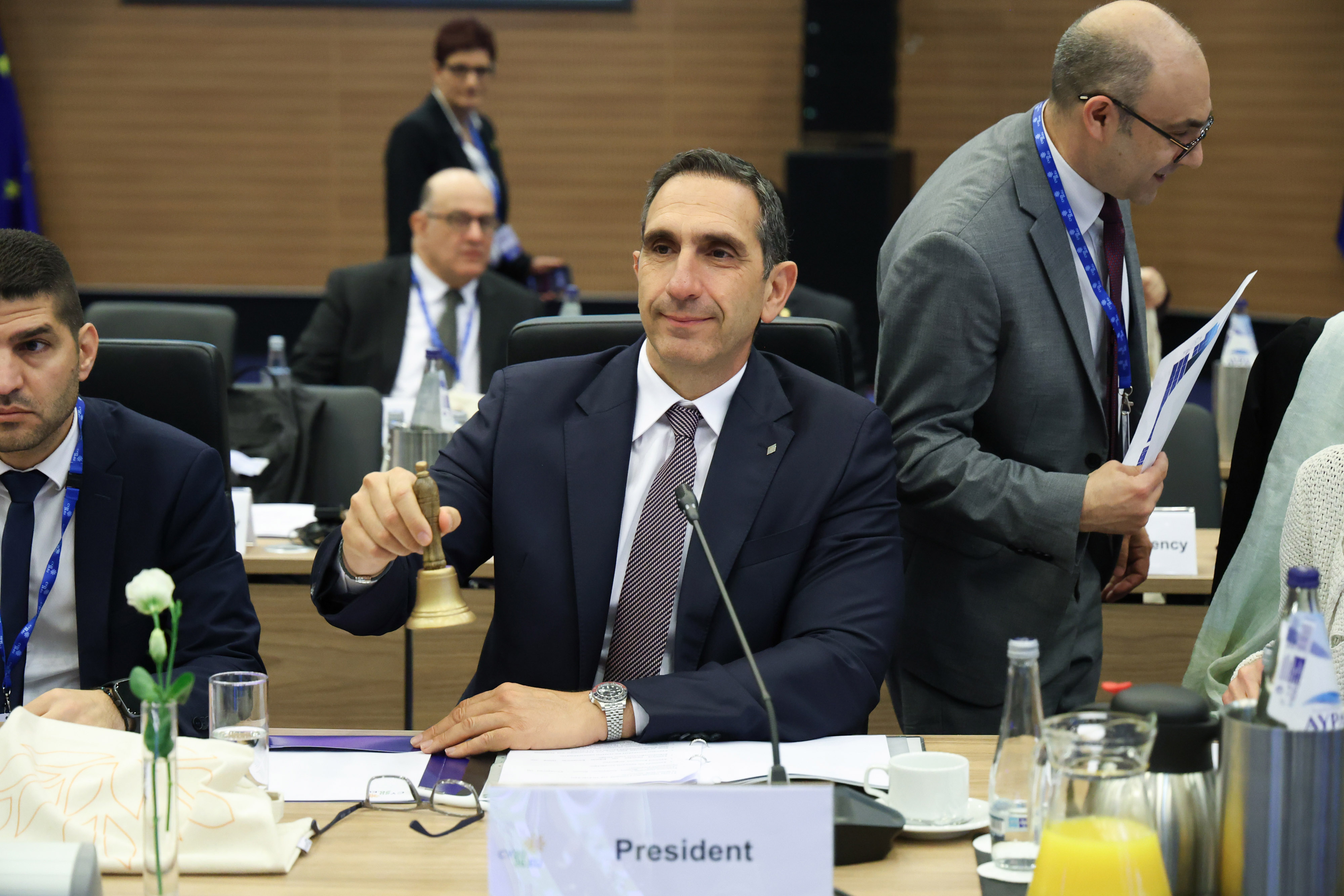
EU ministers for housing meeting in Nicosia on Tuesday heard that the bloc requires an additional €650 billion in annual investment to meet growing housing demand, as Interior Minister Constantinos Ioannou warned that rising prices and limited supply were deepening the crisis across Europe.
Ioannou said the shortage of affordable housing had become “a European challenge that requires a common response”.
He said increasing housing supply was the ultimate goal, which demanded a balance between supply and demand.
Ioannou explained that ministers focused on two core areas, those being reducing bureaucracy in licensing procedures alongside greater use of European financial instruments.
“At present, investment in the European Union is below the level required to meet rising demand,” he said.
He described the meeting as a starting point for dialogue aimed at identifying practical measures that could strengthen national housing policies across member states.
Speaking during the session, Ioannou said housing was “not merely a commercial commodity, but a cornerstone of human dignity”.
“Access to suitable and affordable housing is a fundamental pillar of social cohesion and an essential component of the European social model,” he said, adding that affordable housing also supported economic growth and labour mobility, particularly for younger people and workers.
He warned that sharp increases in property prices, rising construction costs as well as demographic changes, were making access to housing increasingly difficult for middle-income households as well as vulnerable groups, in Cyprus and the rest of the bloc.
Ioannou also identified administrative complexity as a major obstacle slowing housing development and renovation projects.
“Lengthy procedures, overlapping responsibilities and limited administrative capacity create uncertainty, increase costs and negatively affect investors and households,” he said.
He stressed, however, that simplification should not amount to deregulation, saying the challenge was to balance efficiency with environmental sustainability, accessibility and social cohesion.
European housing commissioner Dan Jorgensen described the situation as a continent-wide crisis.
“Way too many people are not able to find a house that is affordable,” he stressed. “Having a roof over your head, having a place to call home is, in my opinion, a human right.”
Jorgensen demanded that action be required at European, national and local level to ensure access to “decent, sustainable and affordable” housing.
He further drew attention to concerns surrounding the rapid expansion of short-term rentals in European cities, saying excessive levels were contributing to rising housing prices and displacing residents.
“We are preparing a legislative proposal to address these issues,” he said.
Estonian Infrastructure Minister Kuldar Leis pointed to digitalisation as an important tool for increasing housing supply and improving efficiency in planning procedures.
“Our digital solutions help us maintain regional balance, ensuring housing can be built across the whole country, not only in large cities,” he said, adding that Estonia would soon publish its first comprehensive housing policy framework.
European regional committee president Kata Tutto said housing policy had to form part of a broader urban strategy rather than being treated as an isolated issue.
“We are not just talking about building houses, we are talking about long-term strategies for our cities because it is never just the houses,” she said.
She added that housing policy also involved transport infrastructure, public services, and the creation of sustainable and liveable urban areas.





Click here to change your cookie preferences