
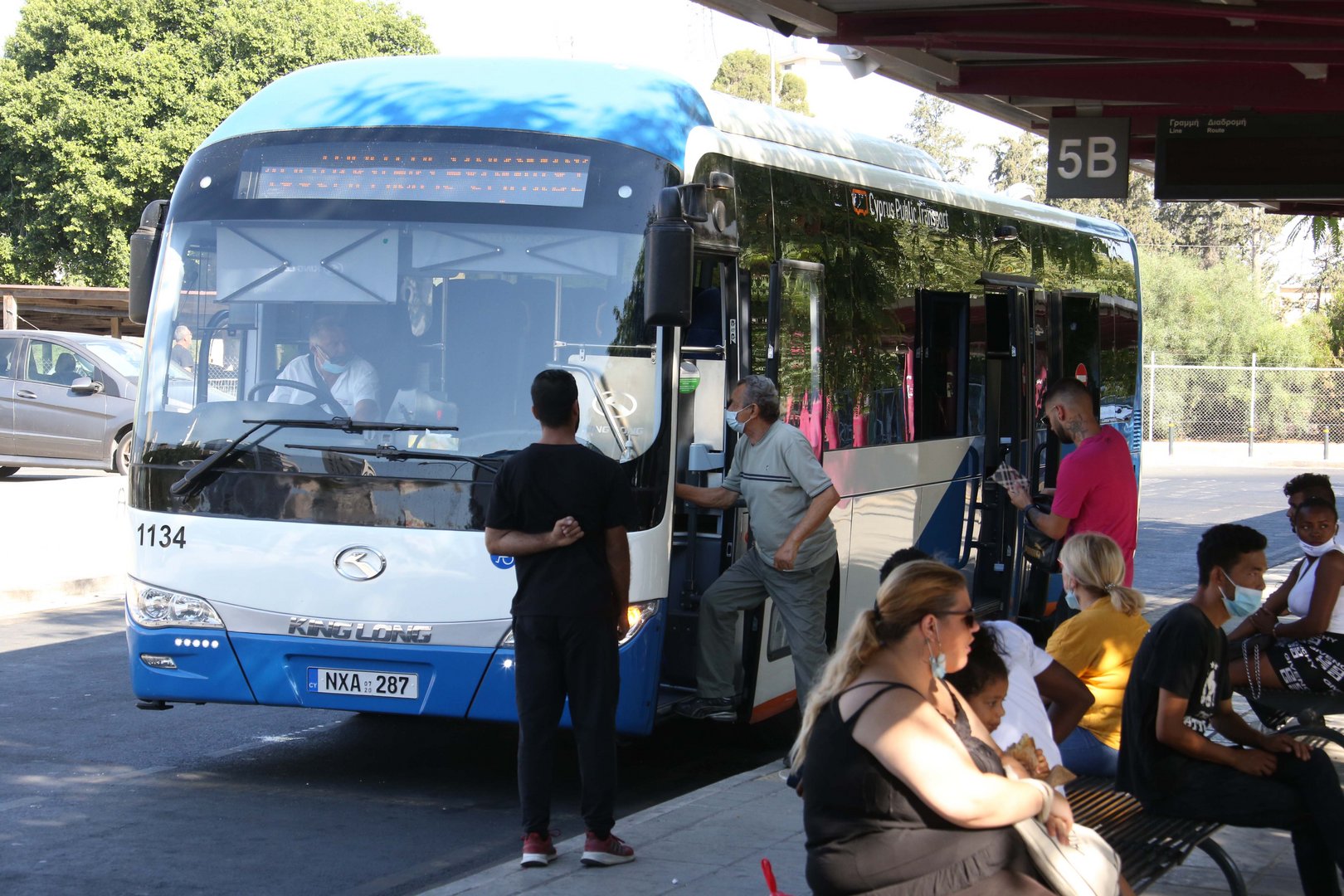
Serious issues regarding passenger information, bus stop infrastructure and the reliability of bus routes in Nicosia were identified in an Audit Office report published on Wednesday.
“The aim is for public transport to become truly attractive and competitive against the private car, through a reliable, easy-to-use and economically advantageous service,” Auditor General Andreas Papakonstantinou said.
The improvement of public transport requires interventions across the entire transport chain, the report said, arguing that it is not enough to have buses and applications, calling for the system to function as a single transport chain that passengers can trust, as 63 per cent of survey participants said they would not choose to use the bus again.
Among the report’s findings was the lack of information at bus stops.
Lack of information and shelter
According to its findings, 55 per cent of stops did not display any information about the routes serving them, while 32 per cent provided information via signs or QR codes and only 13 per cent were equipped with automated information systems.
It was found that 32 per cent of stops had no shelter, while another 22 per cent provided neither shelter nor seating.
Meanwhile, the audit found that at 87 per cent of stops, the pavement was in good condition, while at 74 per cent, the cleanliness was assessed as satisfactory.
At the same time, however, auditors recorded multiple cases of strong odours, accumulation of waste and vandalism at bus stops.
Further problems were identified in relation to the accuracy of information provided through the website and Pame application, which in some cases displayed the location of stops between 85 and 135 metres away from its actual location.
The report identified incorrect timetables, inconsistencies between different sources of information, and stops appearing when they had been removed.
In addition, it criticised that when routes were diverted due to roadworks, there was not always up-to-date information.
The audit also found that the overall usability of the system was affected by the low frequency of some lines, with buses running only once per hour or every two hours.
In six of the nine travel scenarios examined in the report, the journey required the use of two different buses.
The Audit Office also criticised the lack of card-payment options on board buses, saying this affected the usability of the service particularly for occasional users and visitors.
The driver’s behaviour and driving style were generally assessed positively.
But in one particularly serious case a driver failed to provide the required assistance to a passenger with a disability.
Bus not cheaper than cars
The auditors also examined whether bus travel could serve as a cost-effective alternative to private cars.
According to the report’s findings, car owners won’t automatically save money by switching to the bus.
The more economical option, measured by additional cost per person, varies depending on the frequency of travel, the distance and the number of passengers travelling.
“We are concerned that the transport ministry focuses only on the total cost of owning a car, without giving proportional weight to the marginal cost that affects the citizen’s actual choice,’ the auditor general said.
The report distinguishes the total cost of owning a car from the additional cost of a specific trip when the passenger already owns a vehicle, noting that the choice of means of transport did not only depend on cost, but also on comfort, flexibility, reliability and time.
Lack of adequate monitoring
The Audit Office said the transport ministry, in its response letter, acknowledged the existence of omissions and expressed its intention to adopt corrective actions but pointed out that the findings arose in the context of a sample survey and may not be exhaustive.
It said several issues listed in the report could have been identified earlier through regular audits and the implementation of the relevant provisions of the contract.
The survey was carried out between November and December 2025 with 110 Audit Office Staff using the buses as ordinary passengers and evaluating the service provided in real conditions, without prior information from the provider.
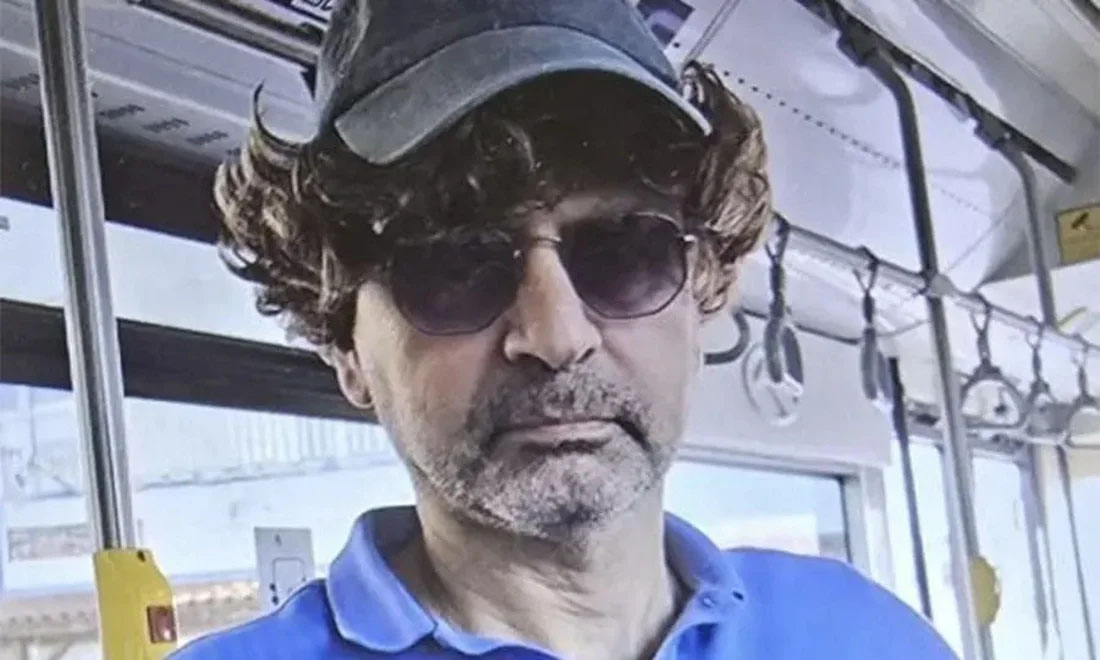
At the time the auditor general was outed by members of the press after he was seen on a bus wearing a wig and glasses.




Click here to change your cookie preferences