
President Nikos Christodoulides said that Cyprus faces a “very serious” demographic problem, with births having fallen to their lowest rate since 2017.
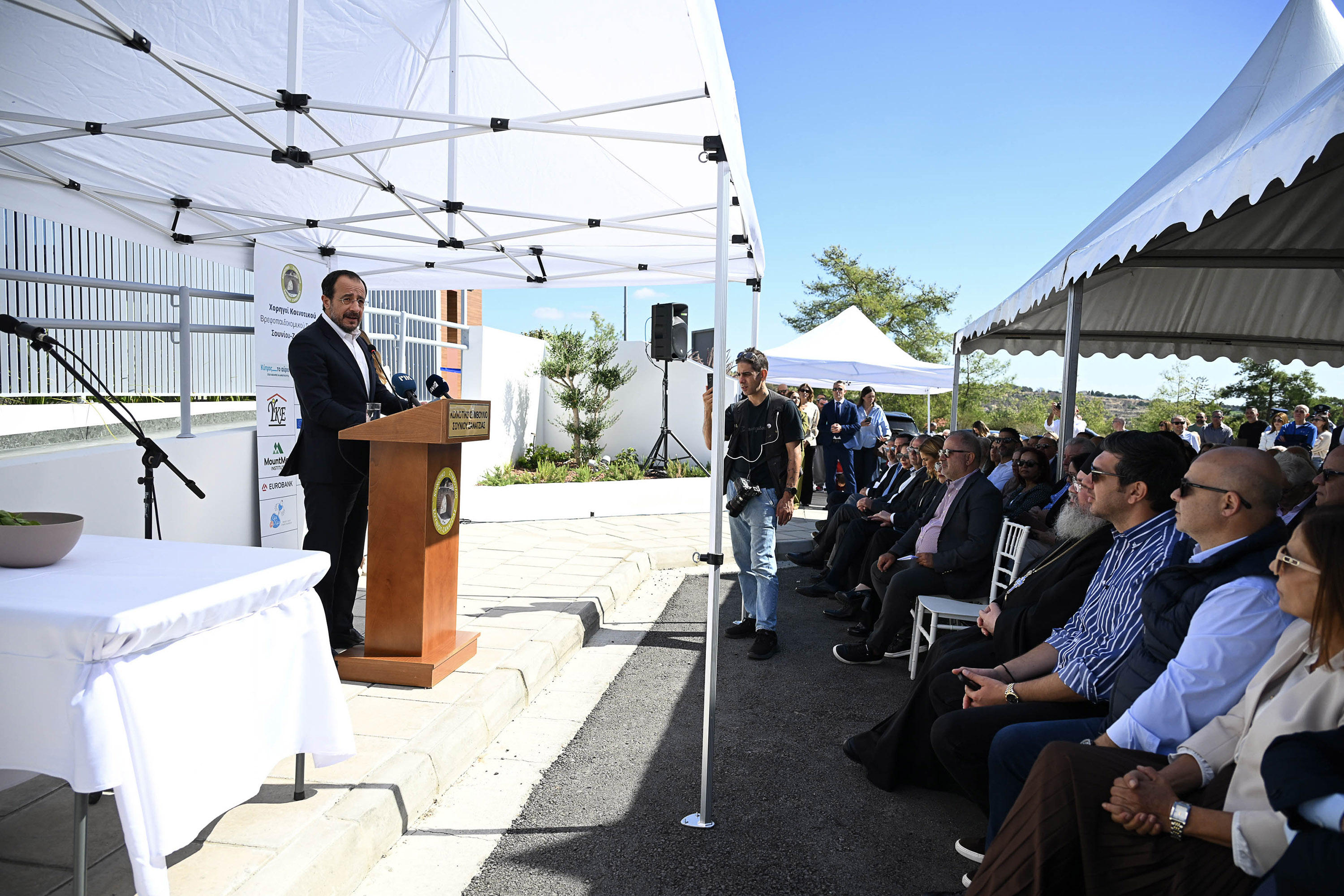
Speaking at the opening of a community nursery in Limassol on Sunday, he said the government was tackling the issue through “a very specific plan”.
He put the rate at 1.3 and said at least 2.1 was needed to replace the population every 25 years.
Statistical service data show the fertility rate stood at 1.4 children per woman in 2024, unchanged from the year before, but has declined steadily from a local peak of 2.5 in 1982 and has stayed below the replacement level of 2.1 since 1995.
Births fell from 10,241 in 2023 to 9,766 in 2024 and then to 9,230 last year.
Natural population growth, births minus deaths, was only 2,426 last year, with deaths running above 6,000 annually.
Reaching the government’s target of 2.1 would require more than 14,000 births a year, which Cyprus has never reached since records began in 1974, the best year being 1992, with 11,372 births, primarily as a result of child benefit being increased the year before under President George Vassiliou.
The population itself is however growing, chiefly through migration, rising 1.7 per cent to about 983,000 last year, with net migration at 13,588.
The share of residents aged 65 and over rose from 11.3 per cent in 2000 to 18.3 per cent last year, while children under 15 fell from 22.3 per cent to 15.2 per cent.
Successive governments have relied mainly on financial incentives, as the last initiative Christodoulides promoted was a €50m package, which included €200 a month for mothers under 30 and a childbirth grant rising from €1,000 for a first child to €2,000 for a third.
The package also provided for subsidies to firms with more than 100 staff to set up nurseries, and for child benefit to be extended by removing income and property tests for families with five or more dependants.
The church began its own scheme this year, which more than 1,000 individuals have applied for, granting families with a third child or more, paying €1,500 at baptism, further sums at each school stage and €100 vouchers at Easter and Christmas until the child turns 18.
The national organisation of large families (POP) said that the state demographic agency was marked by “piecemeal policy measures” and a lack of strategic planning.
The body stated that the number of Cypriot large-family beneficiaries of child benefit fell from 10,065 in 2012 to only 3,166 last year, a drop of about 69 per cent.
Social Welfare Deputy Minister Tina Pavlou said last week that people wanting children “need meaningful incentives and conditions”.
She said a bill would bring an estimated 17,000 more families, with 23,500 children, into eligibility for child benefit from next year.
Health Minister Neophytos Charalambides told a conference on October 9 that demographic change was “a national responsibility” affecting the staffing and financing of services.
POP have warned that “no country that has fallen below a fertility rate of 1.5 has ever managed to return above it.”





Click here to change your cookie preferences