
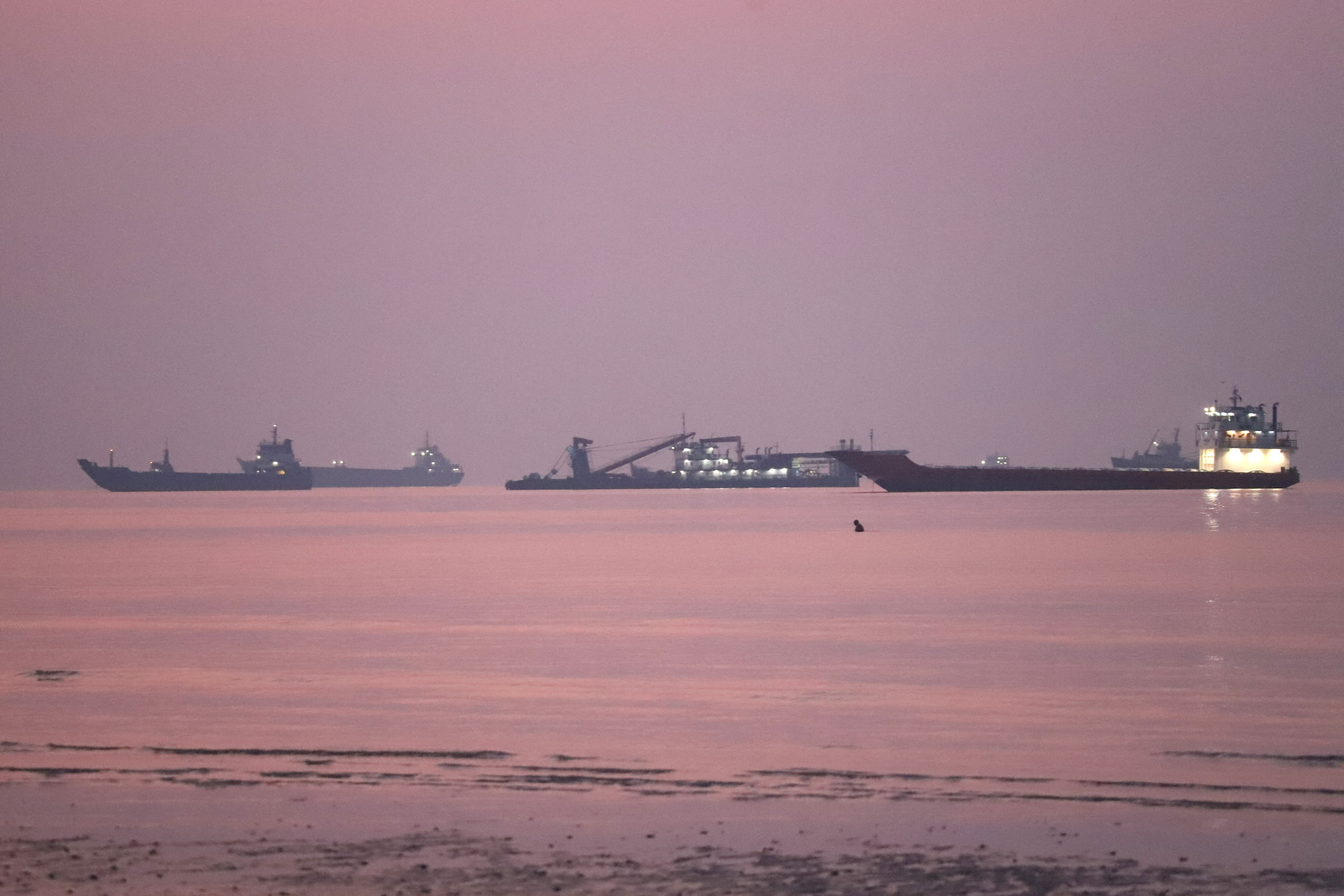
The global diesel crisis is entering a dangerous winter phase. International inventories are depleted, Russian refineries face renewed attacks, and further military escalation involving Iran remains possible. The approaching winter could bring a new surge in prices.
For Cyprus, where road diesel is around €2/litre, the danger extends well beyond motorists: higher fuel costs could spread through transport, agriculture, food prices, tourism and electricity.
A market without a buffer
The International Energy Agency estimated that Russian and Middle Eastern diesel exports in September were approximately 1.3 million barrels per day below their year-earlier level. Increased shipments from China, the United States and other suppliers offset part of the loss, but worldwide diesel exports remained about 700,000 barrels per day lower.
European and American diesel refining premiums reached around $100/barrel or more during the crisis, while wholesale diesel prices exceeded $200/barrel. Although these extremes subsequently eased, inventories remained unusually low. Instead of accumulating stocks before winter, the market had been drawing them down.
This leaves the market particularly vulnerable to an unexpected surge in demand or new supply disruptions.
That matters because heating oil, road diesel and other oil products compete for refinery capacity. A cold European or North American winter could lift demand precisely when refiners have little flexibility to increase supply. Even if production improves early in 2027, rebuilding stocks will take longer than restoring day-to-day balance.
Winter increases demand, particularly for heating oil and diesel, which is required for transport, industry and agriculture.
Russia: Export promises meet production risks
Russia is central to the outlook. Ukrainian drone attacks repeatedly disrupted its refineries, reducing production and limiting exports. A lull in attacks during October allowed crude processing and diesel output to recover, raising expectations of larger shipments in November.
But two developments make that uncertain.
First, Ukrainian attacks resumed against Russian refining facilities at the end of October.
Second, Russia has reportedly extended restrictions on diesel exports until January 31, 2027, while retaining exemptions for certain producers and authorised shipments. The restrictions do not amount to a complete prohibition, but, nevertheless, they reinforce the priority given to domestic supply and mean that announced export targets cannot be equated with actual cargoes.
Continued attacks and new, prolonged, operational shutdowns could undermine an export recovery.
Iran: The greater geopolitical danger
Another major uncertainty is whether the United States will resume strikes against Iran following the November 3 midterm elections. Such action is possible, not inevitable. Diplomatic efforts continue, and any assessment of military intentions must remain conditional.
For diesel, the most damaging outcome would be Iranian retaliation against Gulf refineries, export terminals or commercial shipping. A complete closure of the Strait of Hormuz would not be necessary. Repeated attacks, increased insurance costs and disrupted tanker schedules could materially reduce refined-product deliveries.
This would affect diesel in two ways: directly, through lost or delayed product shipments; and indirectly, through higher crude prices, freight and insurance costs. Depleted inventories would amplify the shock, especially during peak winter demand.
A limited strike without substantial damage might produce only a temporary price increase. Sustained attacks on energy infrastructure could prolong the shortage and delay recovery well into 2027 or beyond.
Why Cyprus is exposed
Cyprus imports its petroleum products and cannot insulate domestic consumers from Mediterranean wholesale prices. Its relatively mild winter reduces local heating demand, but does little to protect the island from competition for diesel supplies elsewhere in Europe.
The price of diesel is already close to €2/litre. A sustained $10/barrel increase in imported diesel costs could add approximately 7 cents/litre at the pump. A $30/barrel increase could add roughly 20 cents/litre.
Diesel at €2.10-€2.20/litre is therefore plausible if international prices strengthen again. A serious disruption to Gulf refineries or shipping could create conditions for €2.30-€2.40/litre or higher.
The scheduled expiry of Cyprus’ temporary fuel-excise reduction at the end of November introduces another potential increase, unless the measure is extended.
The economic effects would be broader than pump prices. Transport operators would face higher distribution costs; farmers would pay more to run machinery, irrigate and move produce; and food retailers could pass on increased logistics costs. Airlines would also remain exposed to elevated jet-fuel prices, potentially affecting fares and tourism.
Electricity is a separate but related vulnerability. Cyprus generates most of its power using imported fuel oil and diesel, fuels that respond to wider petroleum-market conditions. With natural-gas imports still delayed, another oil-price shock could worsen already high electricity costs.
The result could be a new round of price increases, with consequences for households, businesses, and the competitiveness of the economy.
What should Cyprus do?
The government cannot control international diesel prices, but it can reduce their consequences, especially while international markets remain highly volatile. Extending temporary tax relief merits consideration, alongside targeted assistance for vulnerable households, transport businesses and farmers.
Authorities should also review domestic fuel stocks, import contracts and contingency arrangements rather than assuming that international supplies will always arrive on schedule.
Cyprus must also ensure that domestic fuel reserves and supply agreements provide adequate protection against international disruptions.
In the long term, the priority remains reducing dependence on expensive imported petroleum products, particularly for electricity generation.
This requires accelerating electricity market reform, investing in grid modernisation and energy storage, and developing reliable, lower-cost energy solutions.
These measures will not solve this winter’s diesel shortage, but repeated crises underline their urgency.
A difficult winter ahead
A mild winter, a recovery in Russian exports, and improved supplies from the Middle East could help stabilise prices. However, depleted inventories leave little room to cope with any new disruptions.
The diesel crisis is unlikely to subside anytime soon.
A cold winter – compounded by further attacks on Russian refineries or an escalation in tensions between the US and Iran – could trigger another significant spike in prices.
The critical question is whether Russian exports actually increase while Middle Eastern flows remain stable. If either disappoints, diesel prices could rise again before stocks recover.
A meaningful normalisation of the market is more likely to occur in the second half of 2027, provided that international supply is restored.
For Cyprus, however, the challenge extends well beyond the prices displayed at petrol station pumps. The greatest danger is not simply diesel exceeding €2.20 per litre.
The real risk is a new, prolonged wave of high energy costs, which would ripple through the transport, food, agricultural and electricity sectors – ultimately affecting the entire economy.
As winter approaches, Cyprus must prepare for that possibility. It is far more prudent than assuming that the recent easing in diesel prices signals the end of the crisis.




Click here to change your cookie preferences