
The nationwide police operation ‘Plegma’, where authorities on Thursday nabbed 26 people suspected of involvement in a criminal enterprise, is one of the biggest operations against organised crime, the officer in charge has told the Cyprus Mail.
Earlier in the day the police said that 26 individuals had been taken into custody in a major nationwide police operation aimed at suspected drug trafficking networks.
The operation codenamed ‘Plegma’ (web) followed a lengthy investigation initiated in February after a significant drug seizure in Nicosia.
On February 19, officers had intercepted a vehicle carrying two people and discovered 11,480 firecrackers, along with cannabis and cocaine in the possession of one individual.
Searches linked to the driver uncovered 167kg of cannabis, 62kg of cocaine and 4.5kg of cannabis resin.
Authorities also reported the seizure of firearms, explosive devices, cash and electronic cigarettes believed to contain drugs.
Five individuals remain in custody awaiting trial following the initial arrests in February, with police revealing that the investigation unveiled broader connections among members of the suspected ring.
During the more recent law enforcement raids, authorities conducted 27 searches across various residences, businesses and vehicles.
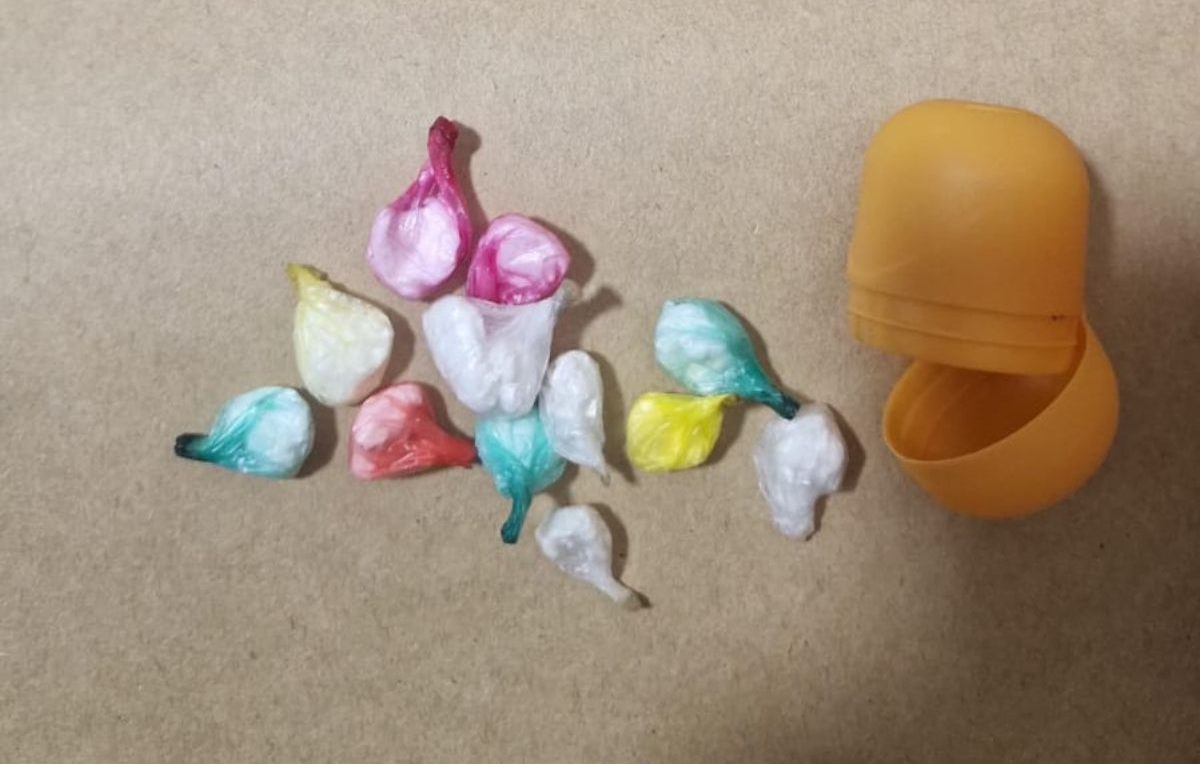
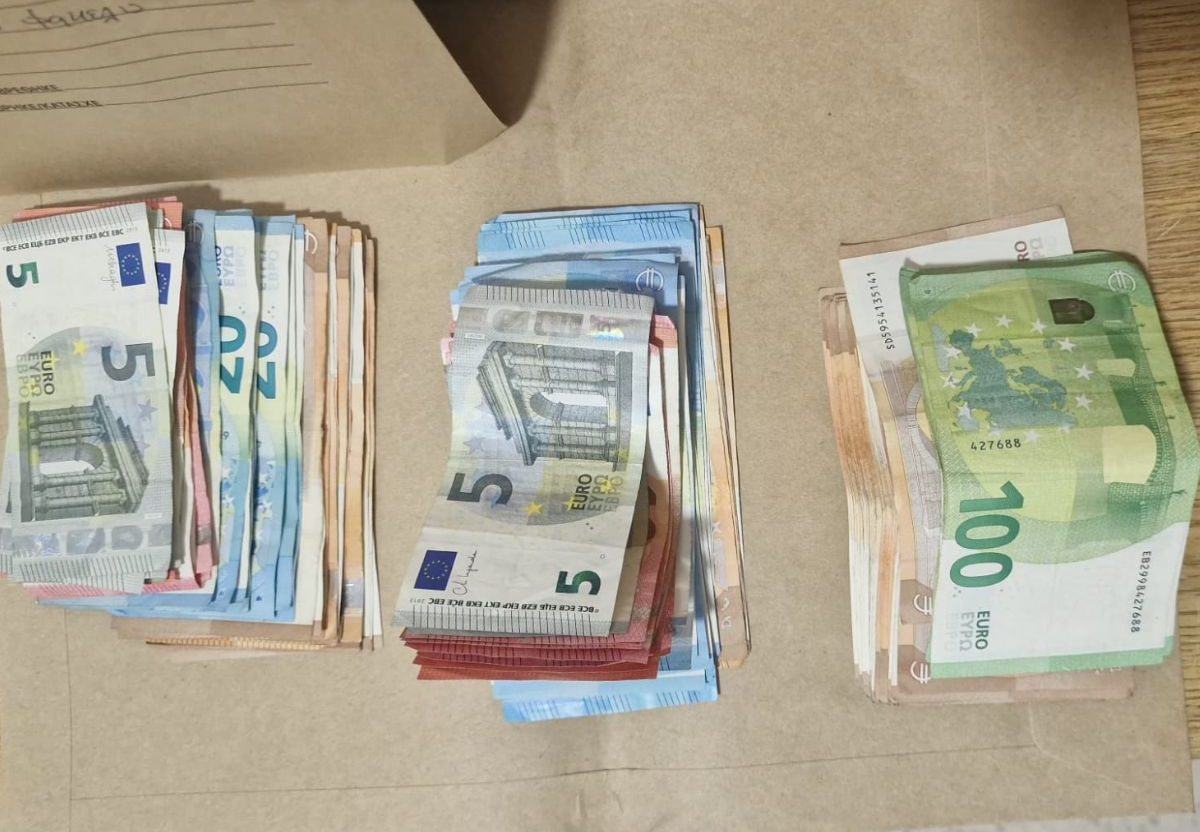
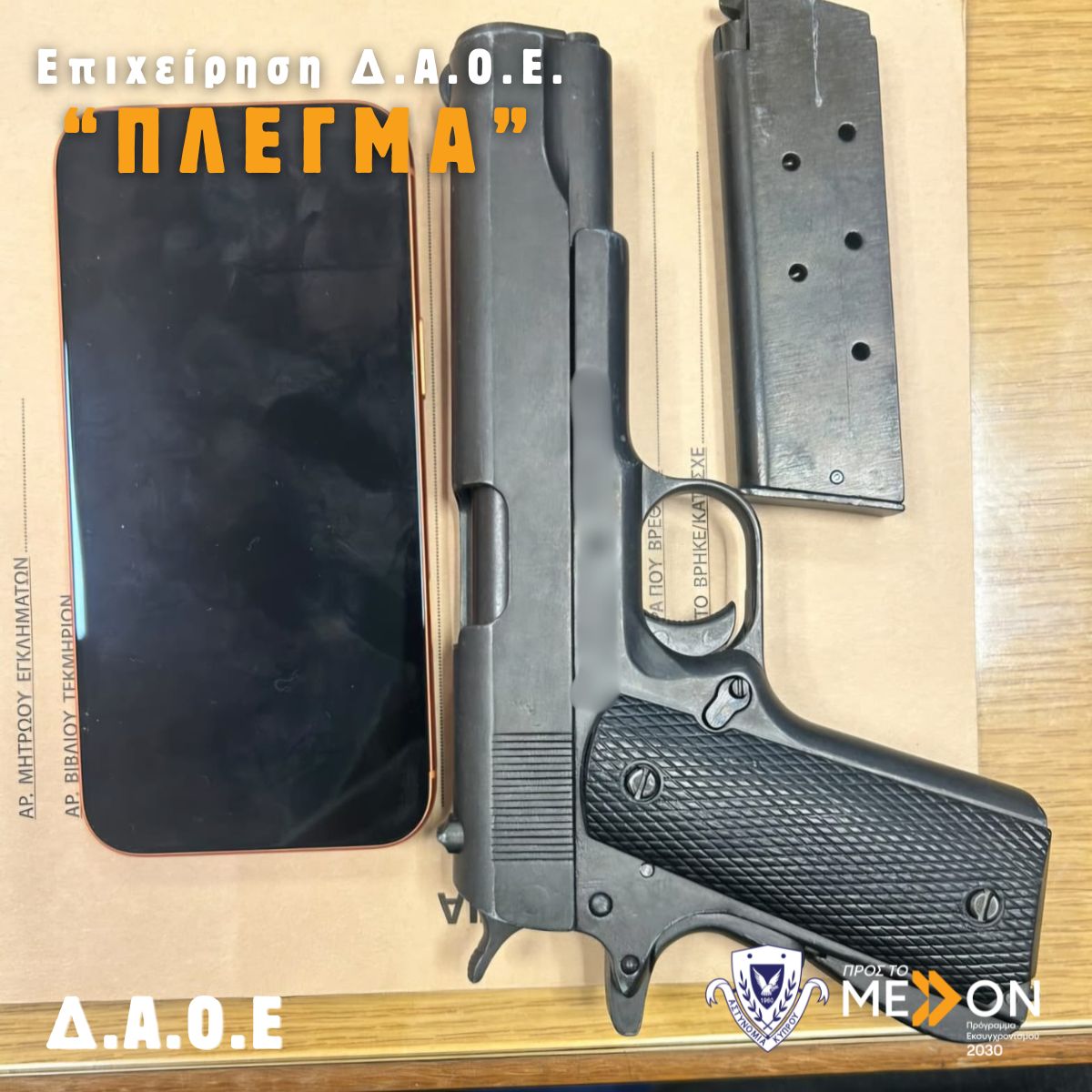
The operations resulted in the confiscation of over €25,000 in cash, 37 mobile phones, two firearms, ammunition, fireworks and small quantities of cocaine and cannabis
Operations were carried out under the command of the newly-formed directorate for combating organised crime, supported by the police’s rapid reaction unit (Mmad).
Christos Andreou, the head of the directorate, told us that so far authorities have seized some €750,000 in assets as part of operation ‘Plegma’.
This includes €350,000 in bank accounts, plus €400,000 in other assets – such as one residence, land plots, 10 vehicles and two motorcycles.
Asset seizures are key to weakening criminal groups, Andreou said.
Of the 26 persons arrested on Thursday, 22 were released after being questioned. Police may hold a person for questioning for a maximum of 24 hours.
As to the other four, a court ordered them remanded in custody for five days.
The 26 are thought to be associates of the five individuals that had been apprehended in February.
These five will stand trial before a Nicosia court, although the date for the first hearing is unknown.
“It’s definitely one of the biggest operations ever against organised crime,” Andreou told us. “And more like this to come.”
To a follow-up question, as to whether the operation used intelligence from overseas, the officer said no.
“This was purely a Cypriot, local investigation.”
Meantime speaking to daily Politis, Andreou said there is no evidence linking the persons arrested to other unsolved cases. But that could change during the course of investigations.
Andreou explained that they chose the name ‘Plegma’ because the operation covered Nicosia, Limassol, Larnaca, Famagusta and the central prisons.
Although the directorate has come to be colloquially known as the ‘Cypriot FBI’, Andreou said that designation is not accurate.
Their policy, he added, is to publicise cases only once arrests have taken place or once a case has been filed with the courts – to avoid potentially damaging leaks.
In a statement on Thursday, the justice ministry hailed the operation as an important step in the fight against organised crime, particularly drug trafficking networks.
The ministry praised the professionalism and commitment of police officers involved in the operation, which is coordinated by the newly established directorate for combating organised crime.
It pledged continued support through additional staff, equipment and legal measures to strengthen efforts against criminal networks.
The directorate for combating organised crime was officially launched in early October.
It operates under the model of intelligence-led policing – a law enforcement model that uses data analysis, criminal intelligence, and risk assessment to direct resources and shape strategic decisions. Instead of relying purely on a reactive response after crimes occur, ILP puts intelligence and information gathering at the centre of police operations.
The directorate consists of four subdivisions: intelligence and special operations; combatting drug trafficking; investigating organised crime; and strategic analysis.


Click here to change your cookie preferences