
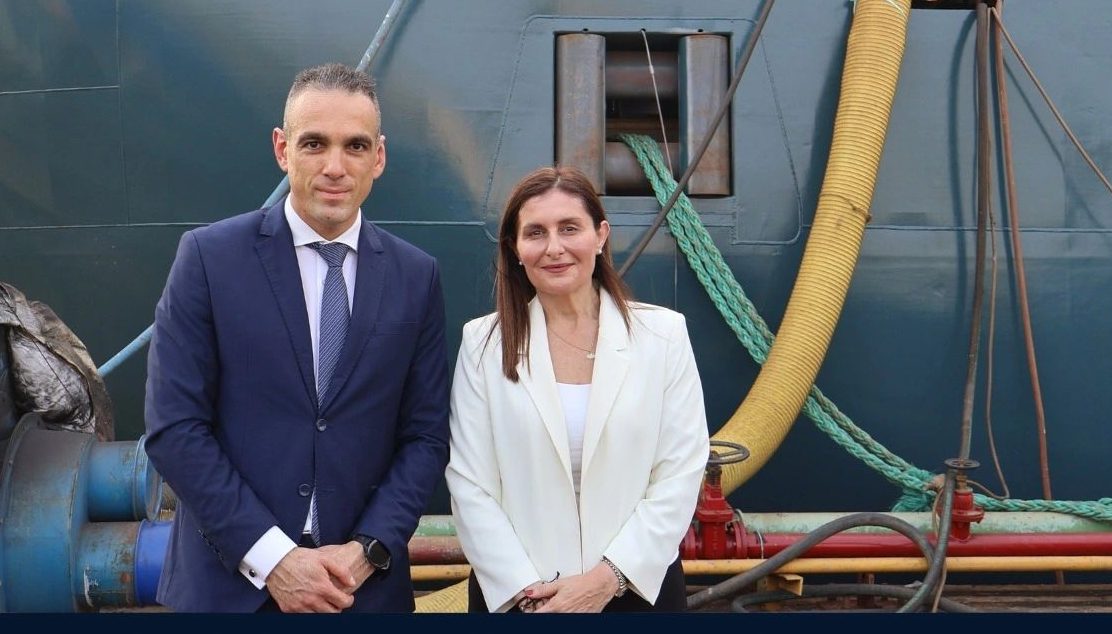
Cyprus is preparing to add a new type of vessel to its ship register, with two specialised offshore wind support ships under construction in India for Cyprus-based Pelagic Partners, as Shipping Deputy Minister Marina Hadjimanolis visits the country to strengthen cooperation in shipbuilding, maritime technology and seafarer training.
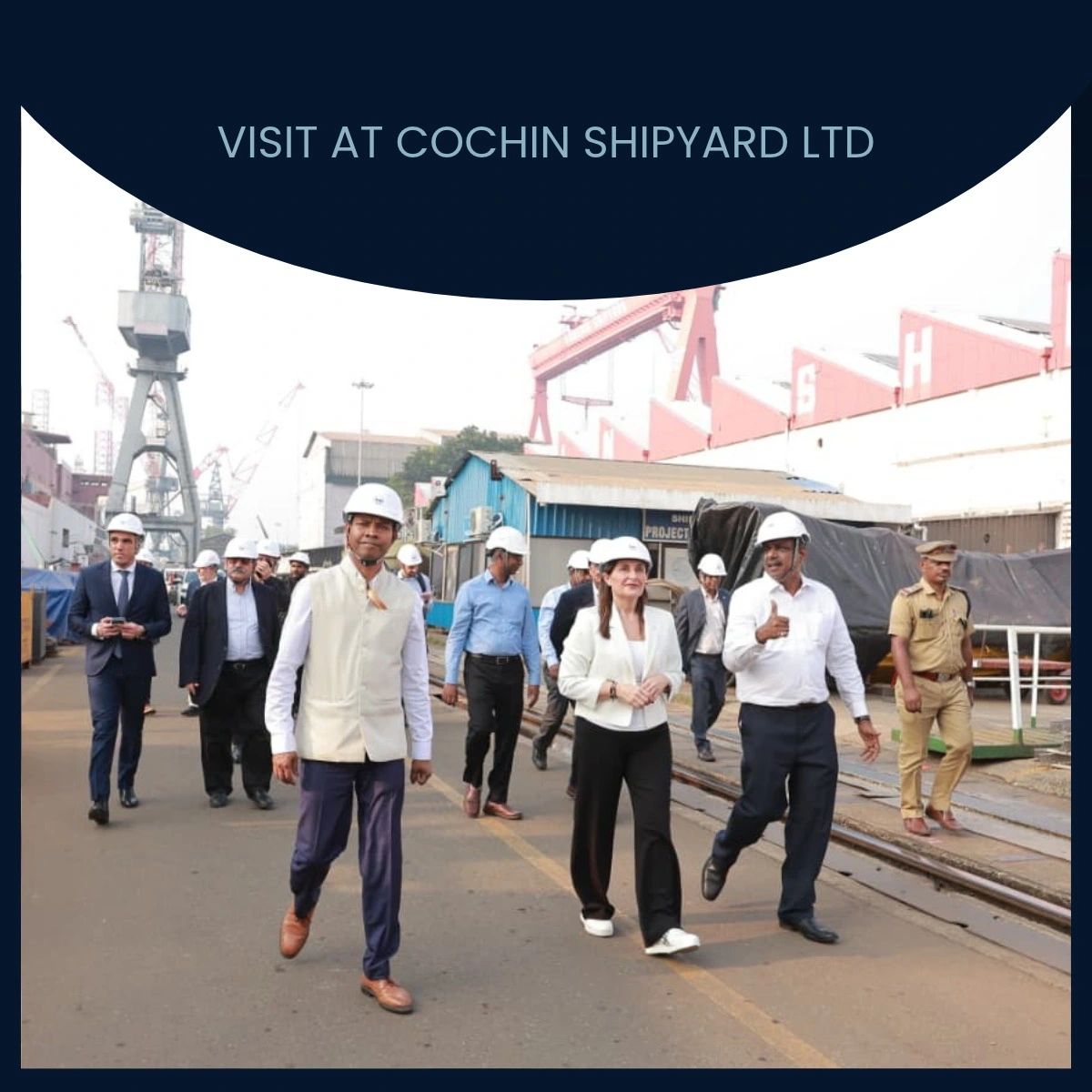
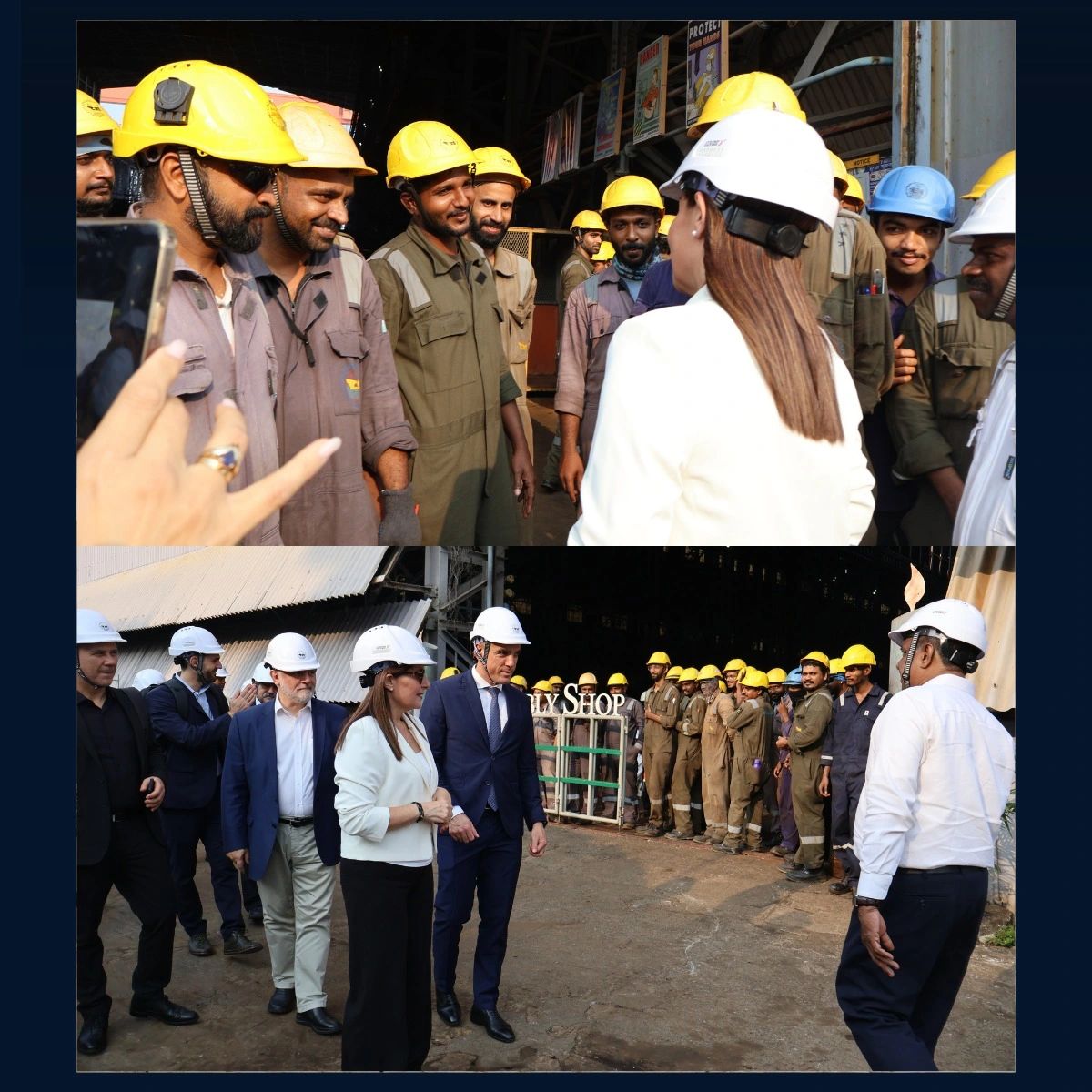
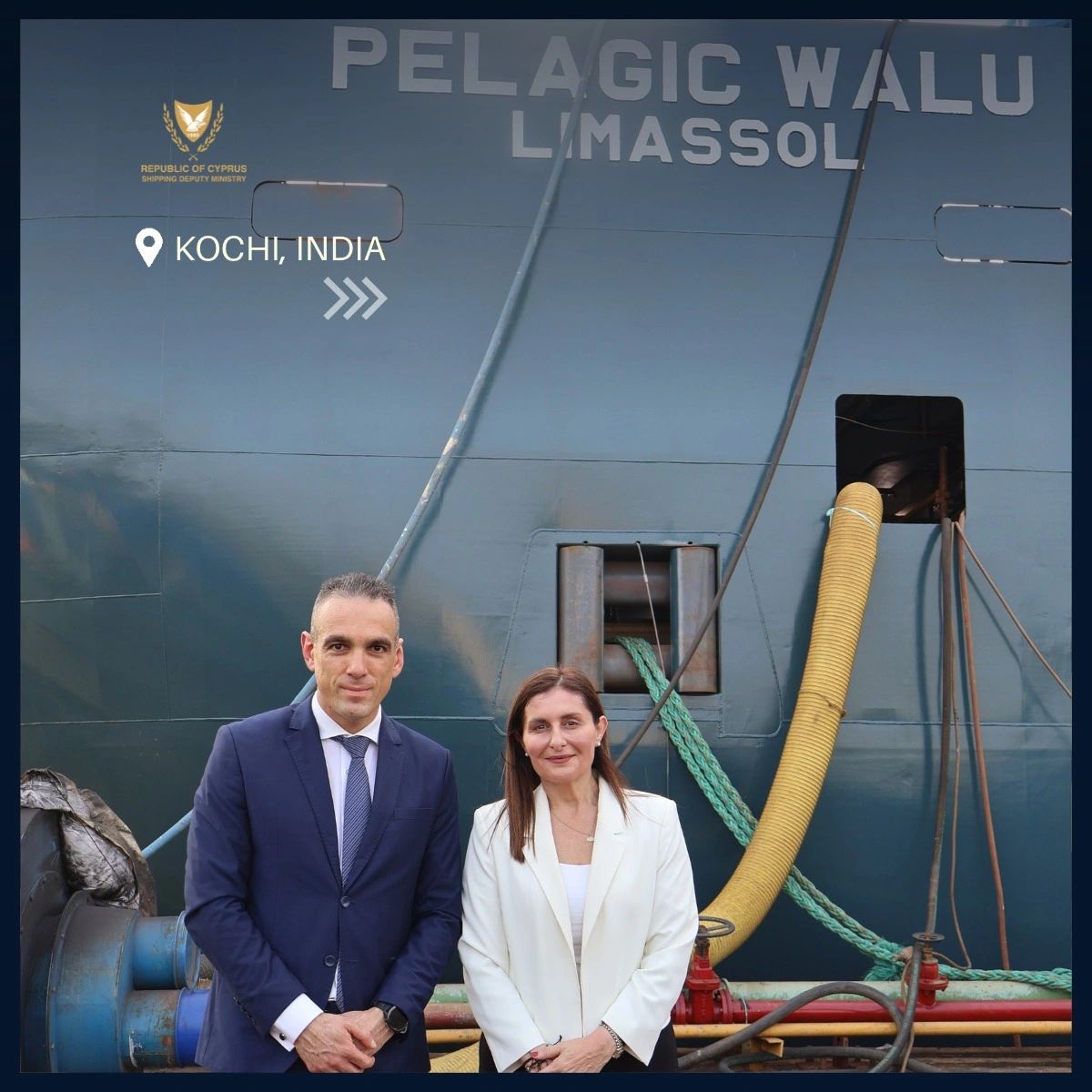
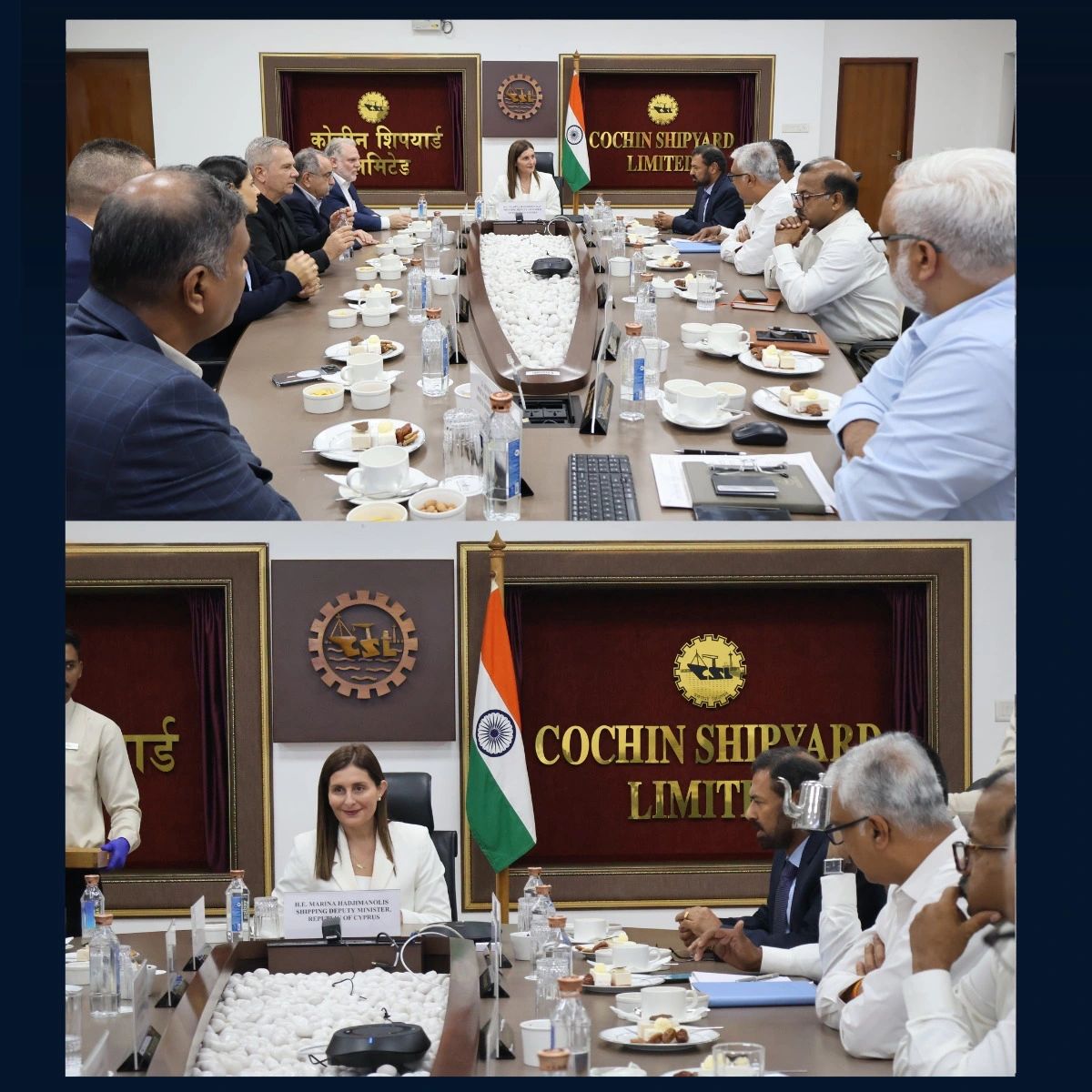
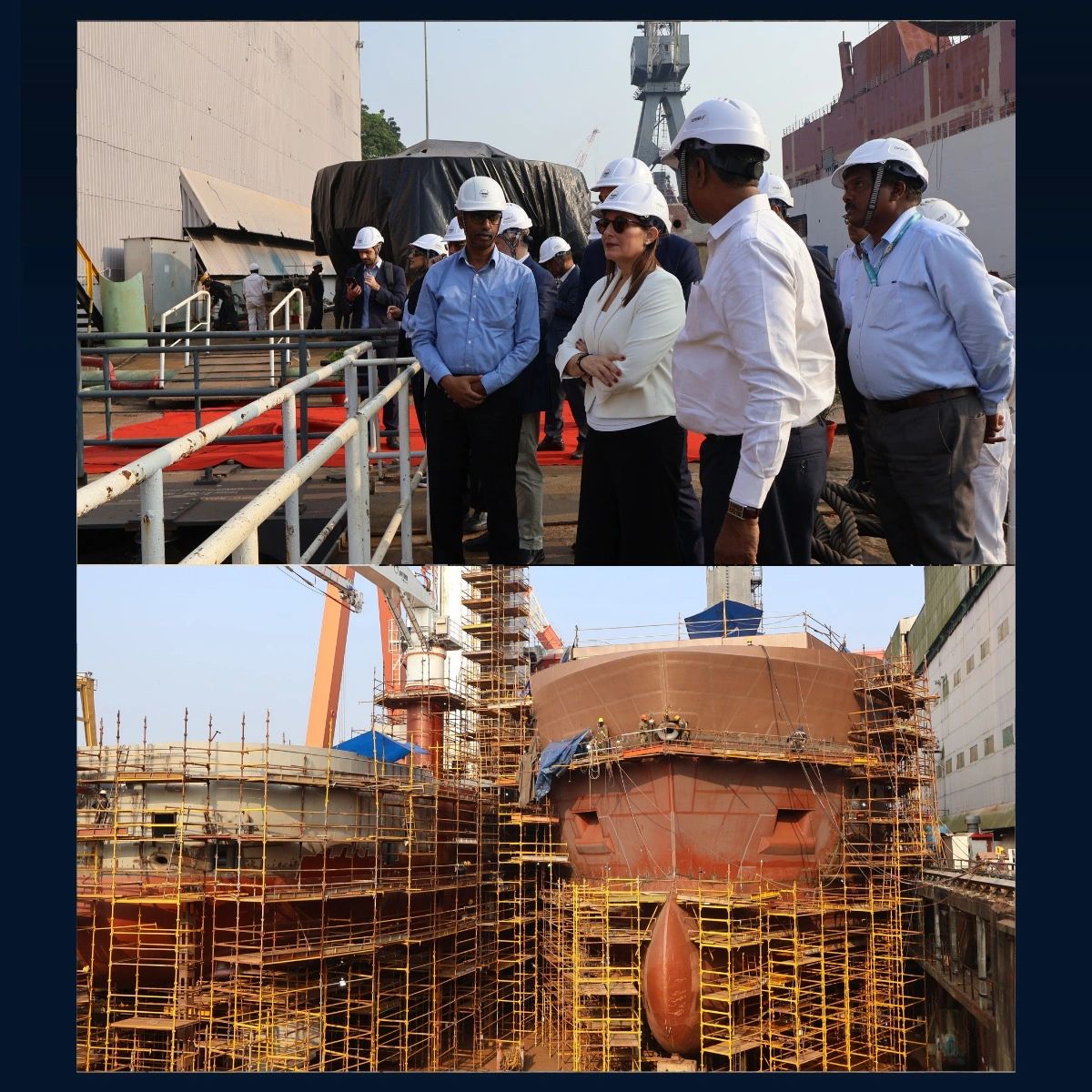
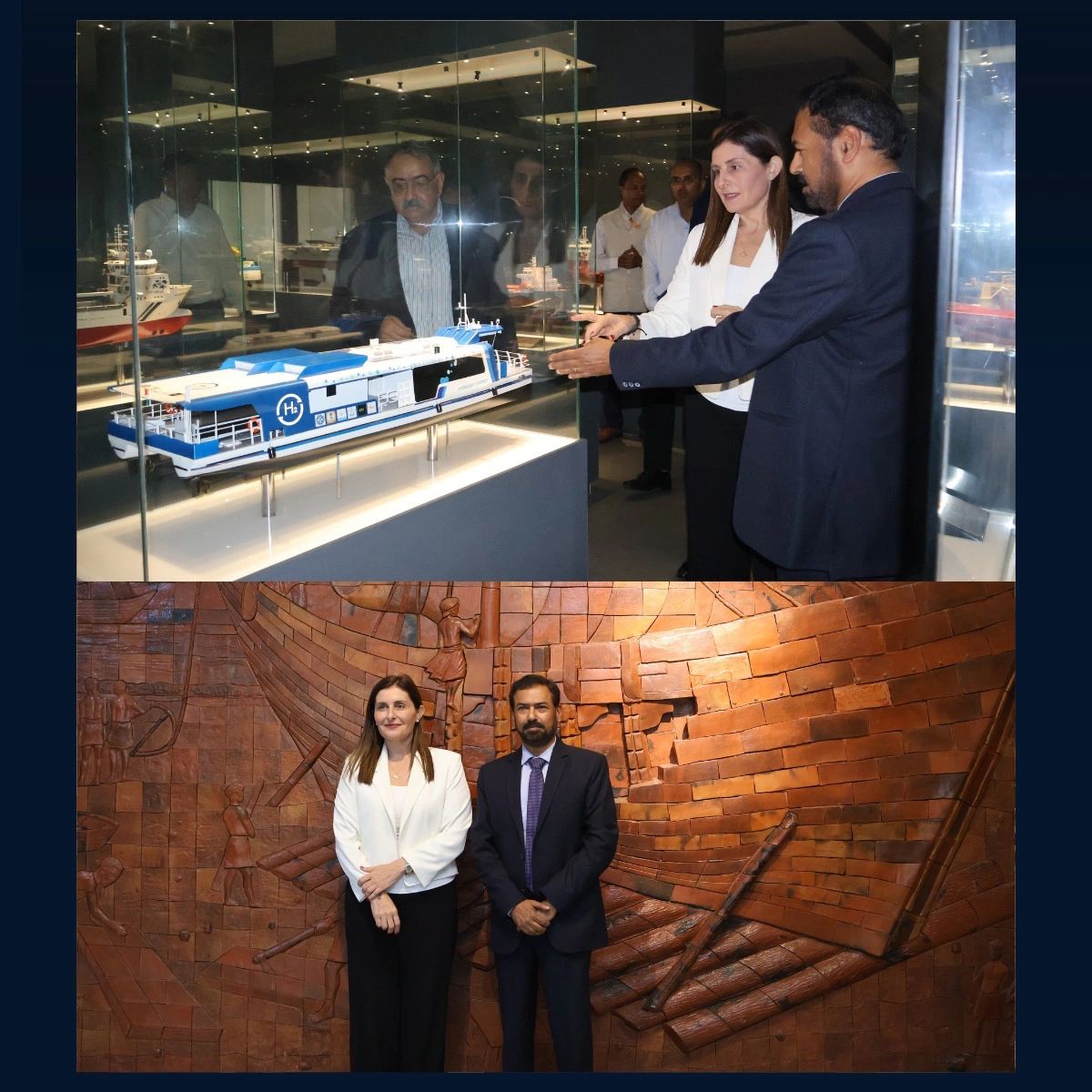
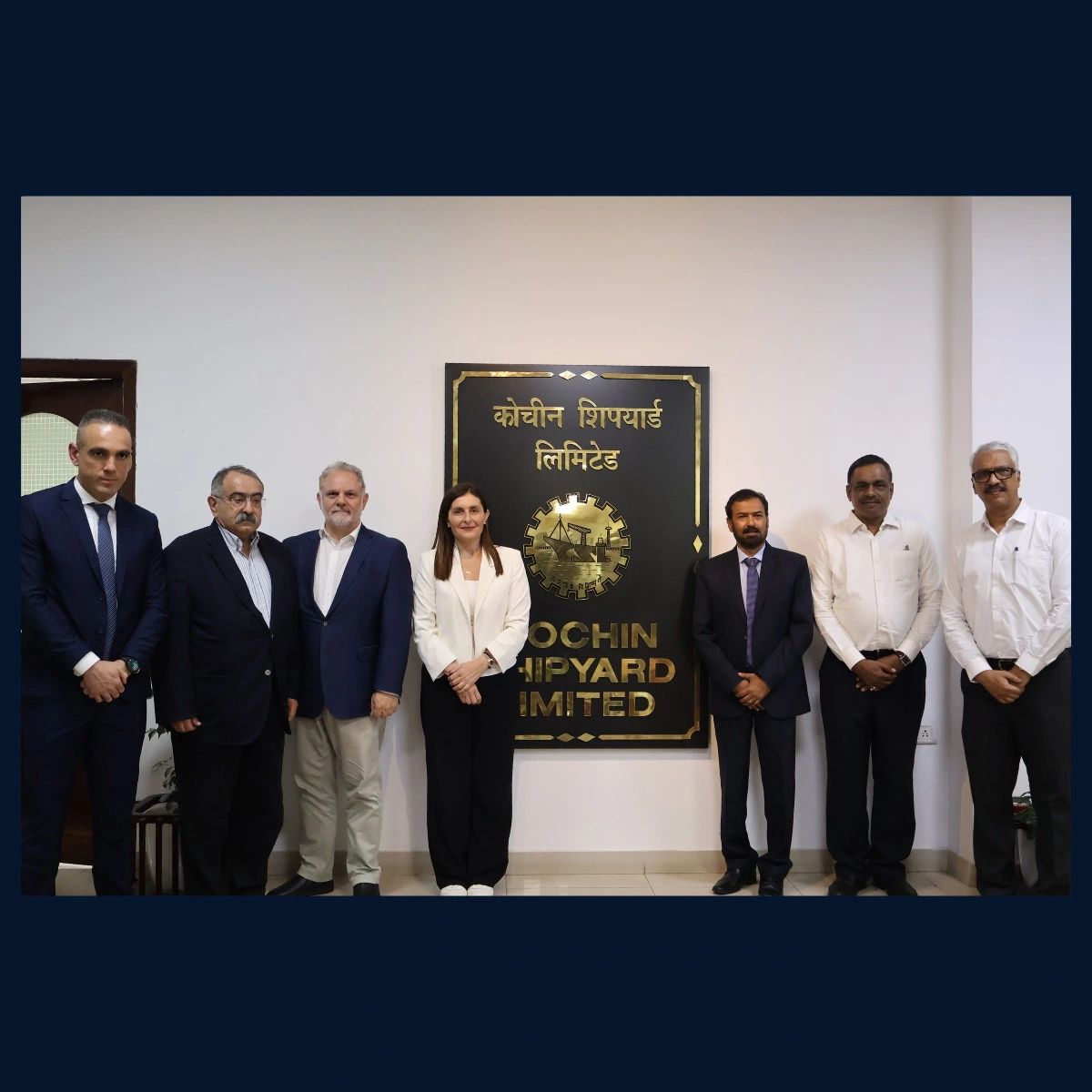
Hadjimanolis visited the state-owned Cochin Shipyard Limited in Kochi this week, accompanied by representatives of Pelagic Partners, where she was briefed on the construction of the two Commissioning Service Operation Vessels (CSOVs), designed to support the installation, commissioning and maintenance of offshore wind farms.
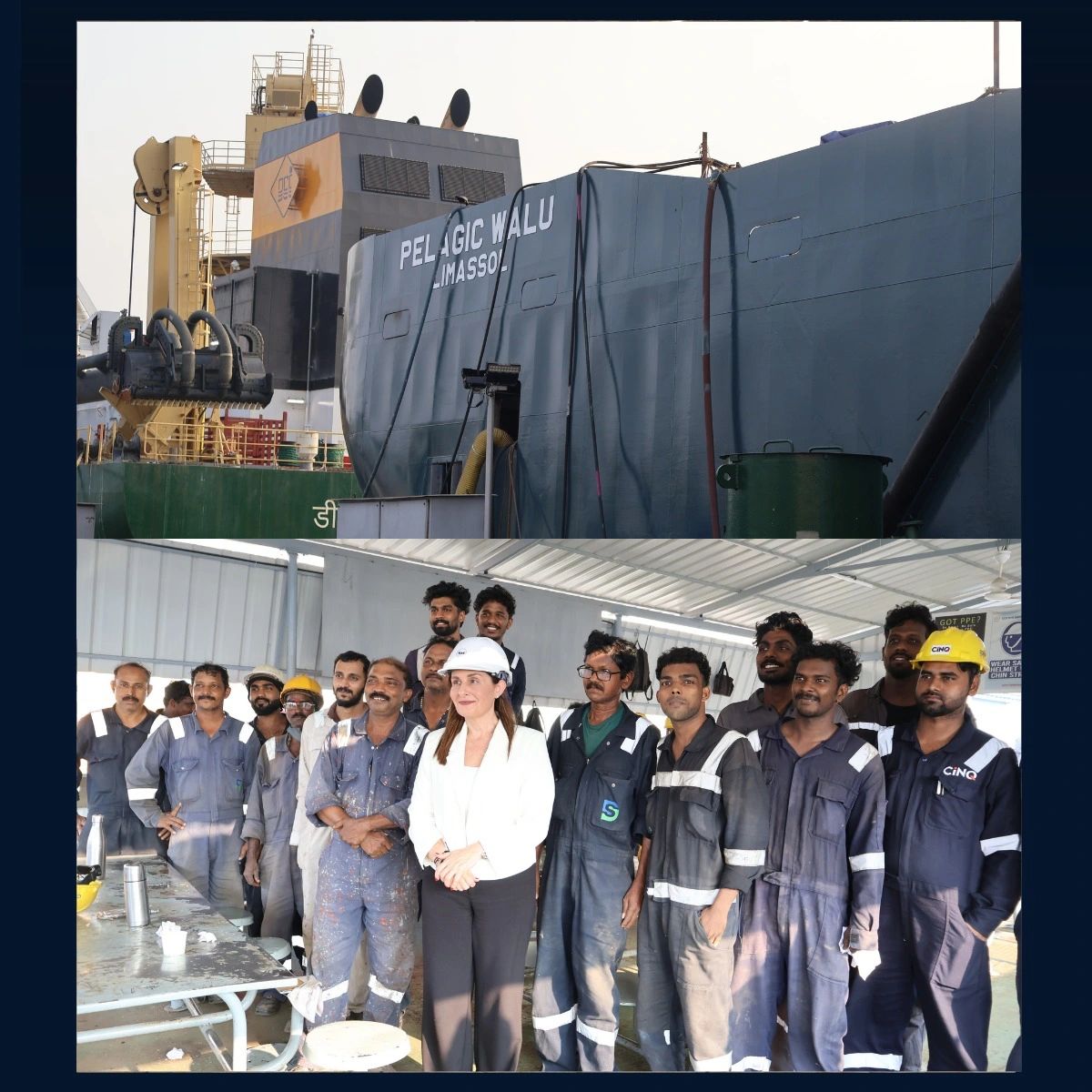
The vessels, named Pelagic Walu and Pelagic Wahoo, are intended to become the first ships of their type registered under the Cyprus flag, while also serving as pioneering projects for India’s growing specialised shipbuilding industry.
For Cyprus, the project brings together two areas in which the country is looking to expand its international presence: maritime investment and services supporting the transition towards cleaner energy.
The vessels are being built for Pelagic Wind Services, part of Pelagic Partners, under a programme launched several years ago to invest in specialised ships serving the offshore renewable energy industry.
According to Cochin Shipyard, construction began with a steel-cutting ceremony in September 2023, following the original order placed in November 2022.
The keel of Pelagic Walu was laid in December 2024, followed by Pelagic Wahoo in August 2025.
The first vessel was subsequently launched in October 2025, although launching a ship does not mean construction and commissioning have been completed.
Indeed, Pelagic Partners continues to list both vessels as under construction, with delivery scheduled for 2026.
Built to a design by Norway’s Kongsberg Maritime, the vessels are approximately 93 metres long and 20 metres wide, with accommodation for 120 people, including the technicians who will work on offshore wind turbines.
Unlike conventional cargo ships, CSOVs operate as floating workplaces, allowing engineers and maintenance crews to remain close to offshore wind farms rather than travelling back and forth from shore each day.
They are equipped with motion-compensated gangways that allow technicians to move between the vessel and offshore installations, including in challenging sea conditions.
The vessels also incorporate hybrid-electric propulsion, advanced automation and battery systems intended to reduce fuel consumption and emissions.
Pelagic Walu, for example, has a 2,800-kWh lithium-ion battery system, while the ships are being prepared for the possible use of methanol as a marine fuel in the future.
According to Pelagic Partners, the investment reflects growing demand for vessels capable of supporting offshore wind projects while reducing the environmental impact of maritime operations.
The ships are being developed through its Pelagic Wind Fund, which has secured two firm newbuilding orders and options for additional vessels at the Indian shipyard.
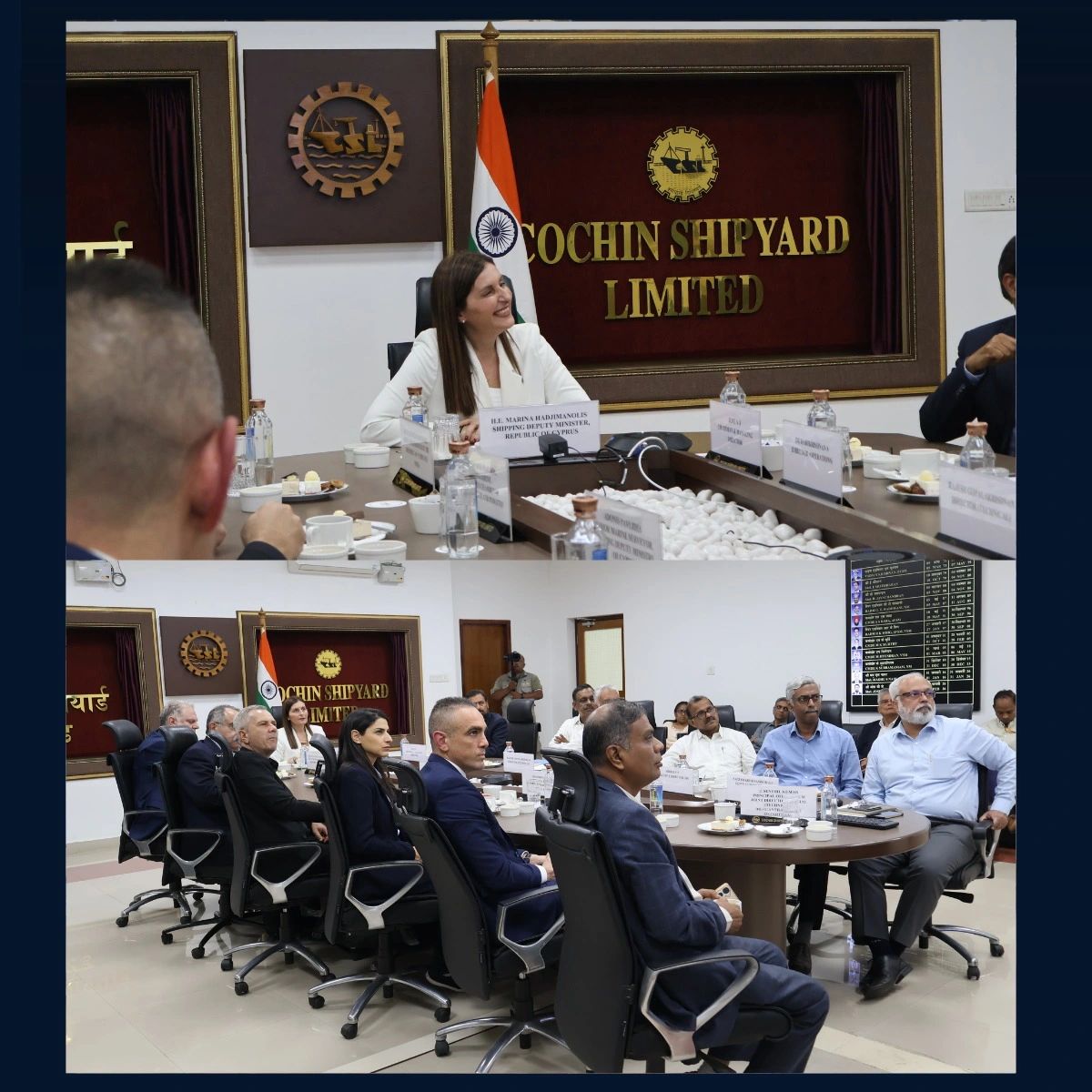
During her visit, Hadjimanolis met Jose VJ, chairman and managing director of Cochin Shipyard, and senior company officials to discuss construction progress and opportunities for further maritime cooperation.
The discussions also covered India’s shipbuilding capabilities and the possibility of developing additional business relationships with Cypriot shipping companies.
India has been investing in expanding its shipbuilding and repair industries, seeking a larger share of international orders for commercial and specialised vessels.
At the Cyprus–India Maritime Business Forum in Mumbai on Monday, Indian officials outlined a ₹69,725 crore support package covering shipbuilding incentives, maritime financing and capacity development.
For Cyprus-based owners, the expansion offers another potential source of shipbuilding capacity, particularly for specialised vessels requiring advanced engineering and equipment.
The visit to Kochi followed the Mumbai forum, which brought together more than 100 participants representing 50 companies, including 21 Cypriot businesses, to explore cooperation in ship management, construction, repairs, technology and investment.
Led by Hadjimanolis and accompanied by Cyprus Chamber of Commerce and Industry (Keve) president Stavros Stavrou, the delegation held discussions with Indian maritime authorities, industry representatives and potential commercial partners.
During the forum, Keve signed an agreement with the Council of EU Chambers of Commerce in India, establishing a framework for closer business cooperation.
Hadjimanolis also encouraged companies from both countries to identify specific partnerships and investment opportunities, building on the bilateral merchant shipping agreement signed in 2017 and the first Cyprus–India Joint Maritime Committee meeting held in Limassol in September.
The discussions were not limited to shipbuilding.
Maritime education and the employment of seafarers were also prominent, with India seeking greater opportunities for its maritime workforce aboard Cypriot-managed vessels.
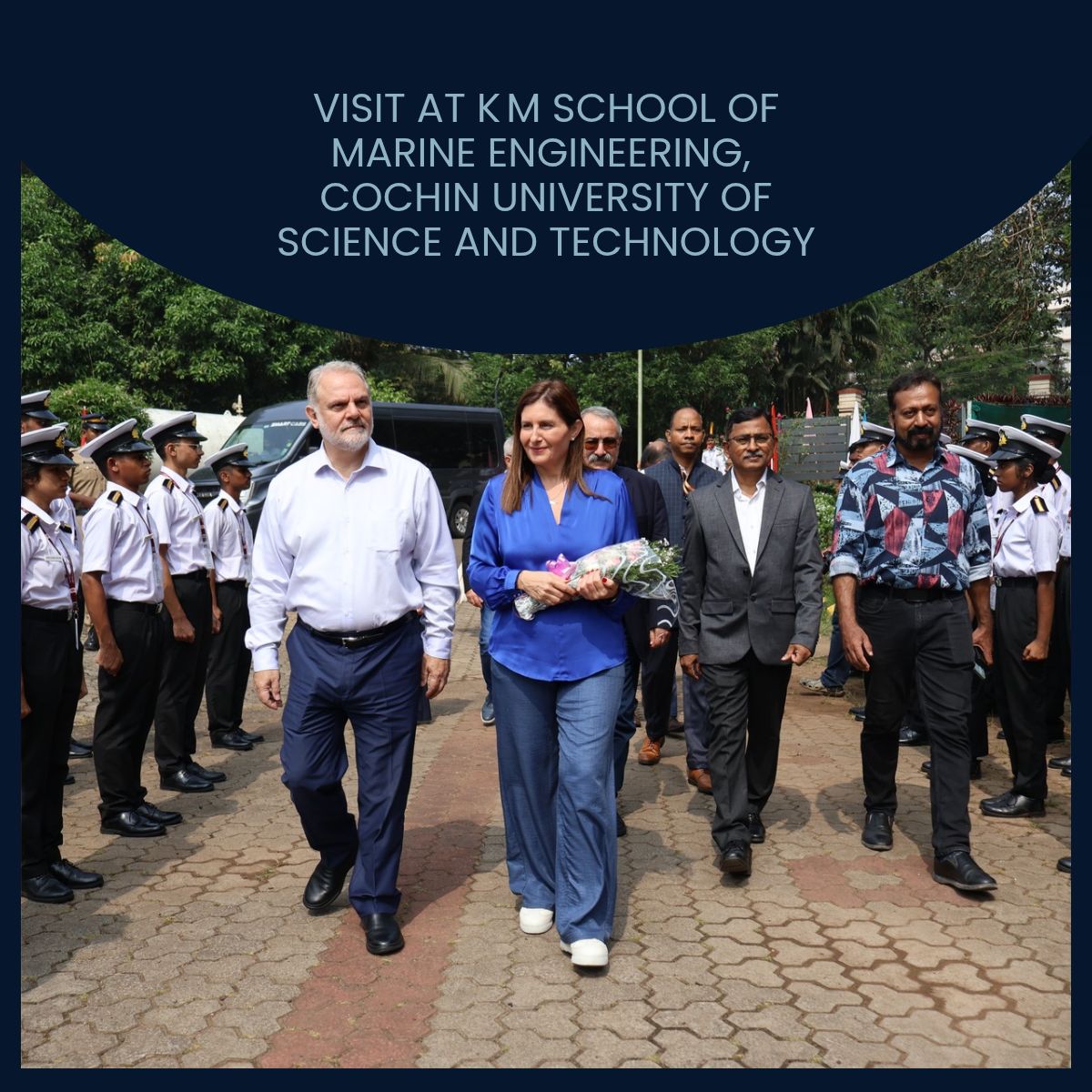
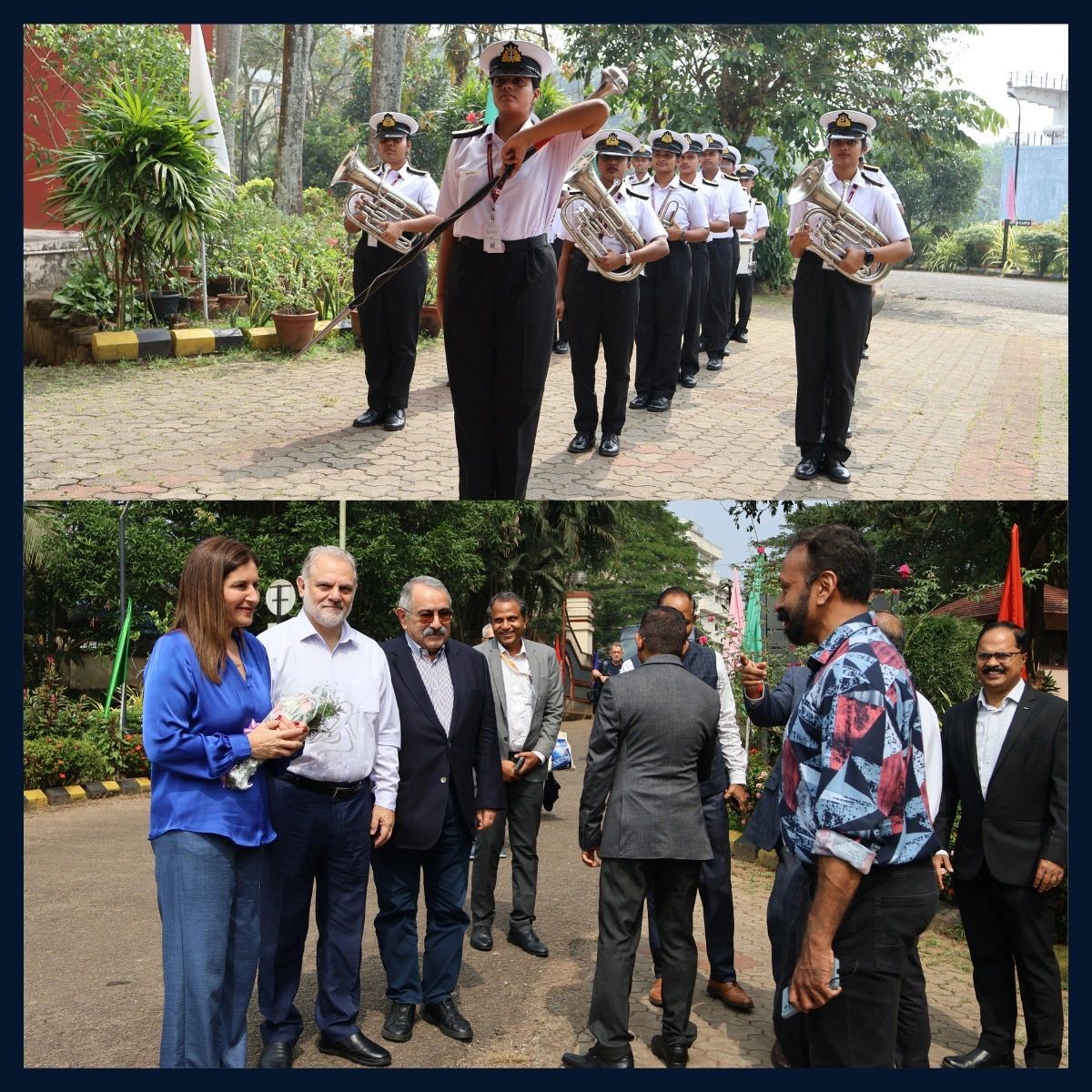
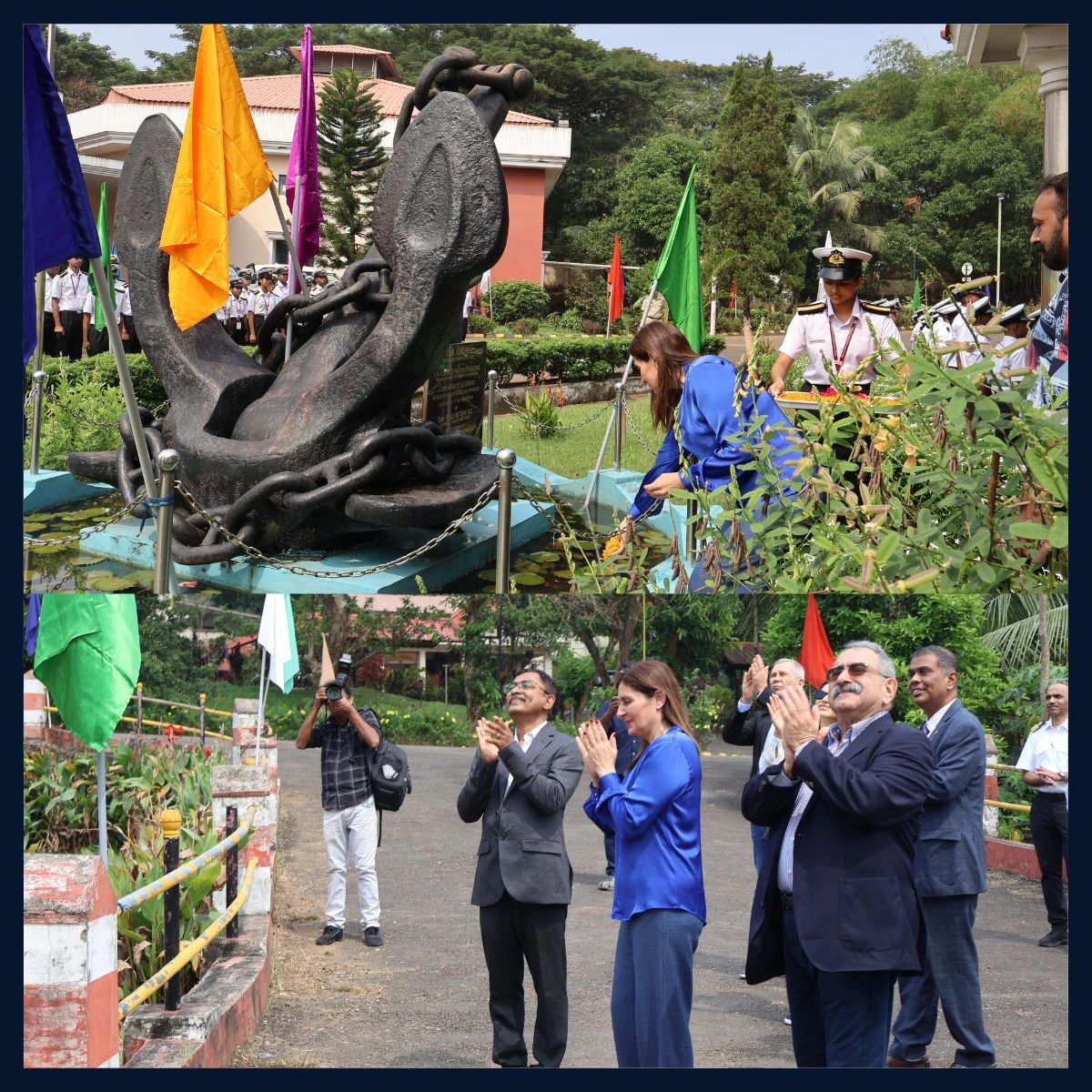
In Kochi, Hadjimanolis visited the Kunjali Marakkar School of Marine Engineering, part of the Cochin University of Science and Technology, where she was welcomed by students during an official reception and parade.
She was briefed on the institution’s educational programmes, toured its facilities and addressed cadets preparing for careers at sea.
Her visit included the university’s advanced training centre, which uses ship and engine-room simulators to give students practical experience before they begin working aboard vessels.
The university’s programme includes a four-year marine engineering degree, practical machinery training and specialised simulator courses meeting international maritime training requirements.
Students also undergo six months of practical instruction using the institution’s ship-in-campus laboratory and engineering workshops.
The visit reflects the importance of developing the skilled workforce required by shipping companies, particularly as vessels become more technologically advanced.
For Cyprus, where ship management remains a major international activity, cooperation with established maritime training institutions could offer opportunities for exchanging expertise and supporting the needs of the wider shipping industry.
Research and innovation formed another part of the mission.
Zacharias Siokouros, chief executive of the Cyprus Marine and Maritime Institute (CMMI), participated in the Mumbai forum, representing the Larnaca-based research organisation in discussions on maritime technology, investment and sustainable development.
His participation comes after CMMI established an existing connection with India’s marine technology industry earlier this year.
In August, the institute signed a cooperation agreement with Indian electric-boat developer Navalt Green Mobility, aimed at introducing electric, hybrid-electric and solar-powered passenger vessels to Cyprus.
The two organisations are targeting April 2027 for the introduction of the country’s first solar-electric passenger boats, according to their announced plans.
The agreement also provides for cooperation in vessel design, engineering and potential local assembly or manufacturing, depending on commercial requirements.
Navalt, based in Kerala, has experience developing solar-powered passenger vessels, including Aditya, India’s first solar-electric ferry, which entered service in 2017.
The partnership offers another example of the commercial and technological connections that Cyprus and India are seeking to develop, this time in smaller vessels and maritime research rather than large shipbuilding projects.
Meanwhile, Hadjimanolis’ programme in Kochi also included a visit to Cochin Port, where discussions with port officials covered infrastructure, cruise tourism, development plans and possible areas of maritime cooperation.
The Deputy Minister’s visit forms part of a broader effort to develop Cyprus’ shipping relations with India following the strengthening of diplomatic and commercial ties between the two countries.
Indian Prime Minister Narendra Modi visited Cyprus in June 2025, while President Nikos Christodoulides travelled to India in May 2026, when the two countries elevated their relationship to a strategic partnership.
Maritime cooperation has subsequently become an important part of that relationship, with the two governments examining opportunities in ship management, ports, seafarer training, shipbuilding and investment.
The final stop of Hadjimanolis’ working visit, which is scheduled to conclude on November 27, will be New Delhi, where she is expected to meet India’s Minister of Ports, Shipping and Waterways, Sarbananda Sonowal.
The meeting is intended to examine further areas of cooperation and build on the results of the Mumbai forum.




Click here to change your cookie preferences