
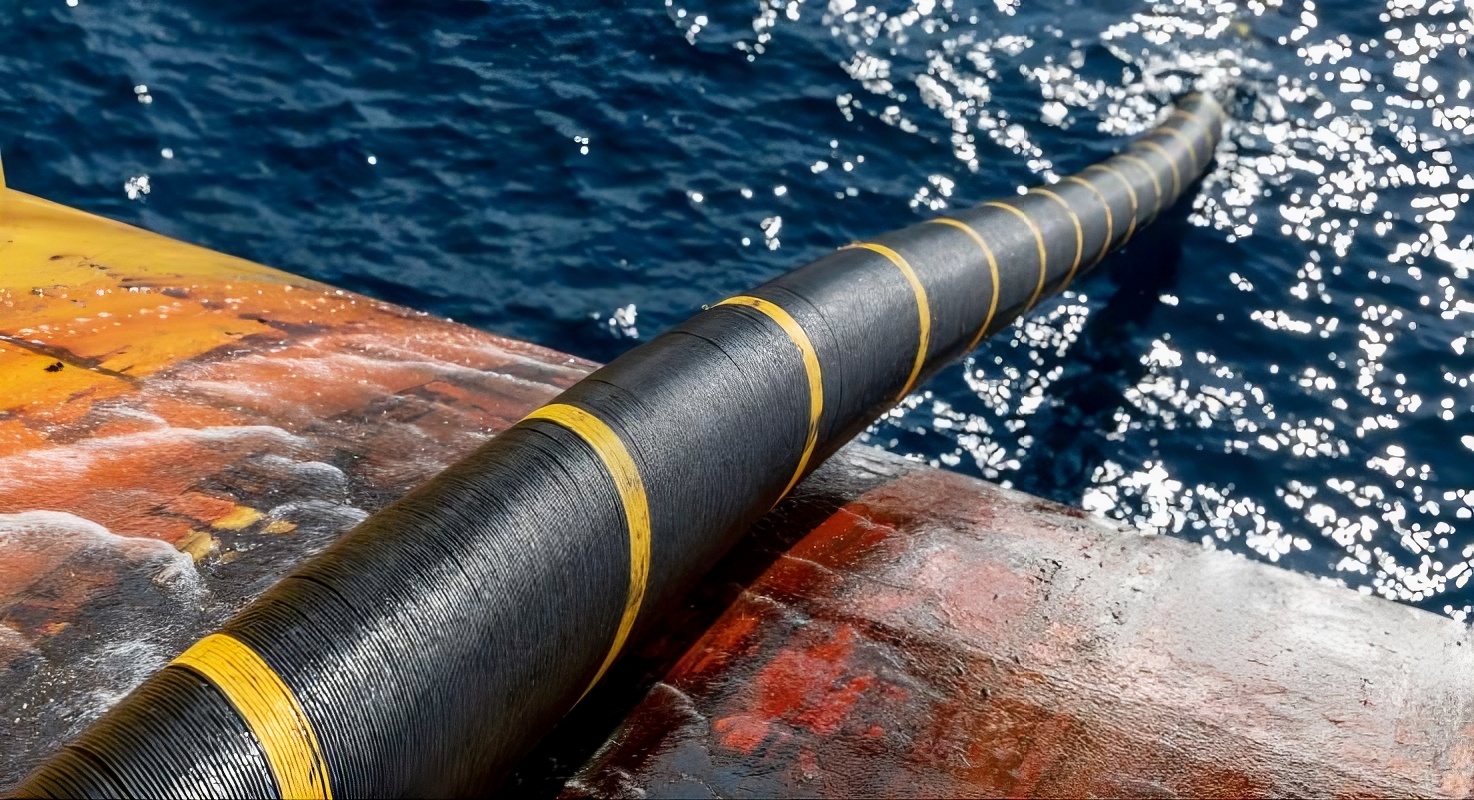
Cyprus and Greece have issued separate navtex for undersea surveys concerning the installation of a fibre optic cables in areas within their exclusive economic zones (EEZ), it was made public on Friday
Cyprus’ navtex – a message used to transmit information to seaborne vessels regarding planned seabed surveys for the laying of cables for the GSI project – was issued by the Joint Rescue and Coordination Centre.
The navtex is in effect from November 2 to 15 for geophysical research by the Kobi Ruegg, concerning the cable system in the East to Med (EMC) corridor, within the EEZ of the Republic of Cyprus.
The EMC corridor concerns the undersea and land communication and transmission cable system connecting Asia with Europe via Saudi Arabia and Greece.
The Greek authorities issued a navtex valid from November 7 to 11 for undersea surveys in the southeast Cretan pay for the installation of a fibre optic cable by the Kobi Ruegg in within the Greek EEZ and continental shelf.
Last month, President Nikos Christodoulides had said the future of the Great Sea Interconnector (GSI), which, if completed, will link the energy grids of Cyprus, Greece, and Israel, was “being handled away from the public eye”.
He also said at the time that it was yet to be confirmed when seabed surveys for the project’s construction will begin.
Matters have been complicated by the fact that part of the interconnector’s planned route passes through seas which are claimed by both Greece and Turkey.
Turkish Foreign Minister Hakan Fidan had stressed that his country will not “raise any objections” to the interconnector’s construction, provided that it is given prior warning ahead of the navtex by the governments of Greece and France, the country in which the project’s majority stakeholder, asset management firm Meridiam, is based.





Click here to change your cookie preferences