
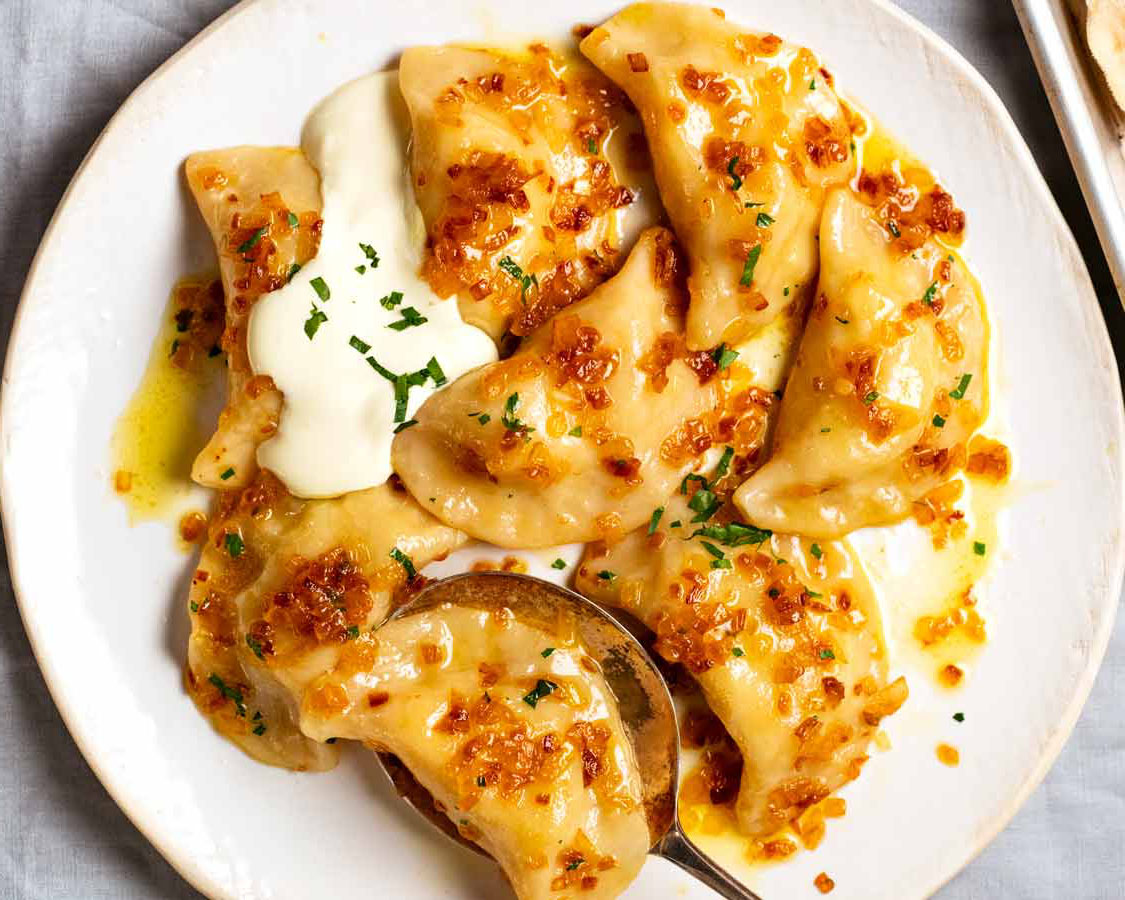
Pierogi – the beloved filled dumplings of Poland – have a history that reflects centuries of cultural exchange across Central and Eastern Europe. Their exact origins are difficult to pinpoint, but they are generally believed to have arrived in Polish lands during the Middle Ages, influenced by culinary traditions that travelled along trade routes from the East, possibly through contact with Byzantine and Tatar cuisines. By the thirteenth century, pierogi were already present in Polish cookery, where they quickly became adapted to local ingredients and tastes.
Initially, pierogi were associated with festive and ceremonial occasions rather than everyday meals. They were prepared in monasteries and noble households, often served during religious holidays and harvest celebrations. Over time, however, they became firmly embedded in rural peasant cooking, valued for their simplicity, affordability and ability to make use of readily available ingredients such as potatoes, cabbage, cheese and seasonal fruits. This transition from elite tables to everyday food reflects broader social and agricultural changes in Polish history.
The cultural significance of pierogi grew steadily, particularly as they became associated with family traditions and regional identity. Different areas of Poland developed their own distinctive fillings and styles. In eastern regions, fillings often include buckwheat, mushrooms and sauerkraut, while in the south, versions such as pierogi ruskie – filled with potato, cottage cheese and onion – became especially popular. Sweet variations filled with berries or plums are commonly prepared during summer months, reflecting the importance of seasonal produce in traditional Polish cooking.
Cooking methods have also evolved over time. Traditionally, pierogi are boiled and sometimes pan fried afterwards to create a crisp exterior, although modern interpretations include baking and more elaborate presentation in contemporary restaurants. Despite these adaptations, the core technique of enclosing filling within a simple dough remains unchanged, preserving the dish’s essential identity.
Pierogi hold a particularly strong place in Polish festive culture. They are a staple of Christmas Eve dinner, known as Wigilia, where meat free versions are prepared in accordance with tradition. They also feature prominently at weddings, family gatherings and harvest festivals, reinforcing their role as a symbol of hospitality and shared heritage. Their preparation is often a communal activity, with families gathering to shape and fill dumplings together, passing down techniques through generations.
In Cyprus, pierogi are not a traditional dish but are increasingly familiar through international cuisine and diaspora communities. They appear in some European restaurants and food festivals, often appreciated for their comforting texture and versatility. Local adaptations may incorporate Cypriot cheeses or herbs, reflecting the island’s tendency to reinterpret foreign dishes through its own Mediterranean palate.
Seasonally, pierogi are especially significant in winter, when hearty fillings provide warmth and sustenance during colder months, though fruit filled versions are closely associated with summer harvests. From medieval courts to modern kitchens, pierogi have endured as a symbol of Polish culinary identity, combining simplicity, nourishment and cultural continuity in every folded piece of dough, remaining a cherished comfort food across Poland and beyond today.



Click here to change your cookie preferences