
Sides with Danish PM amid EU centre-left opposition
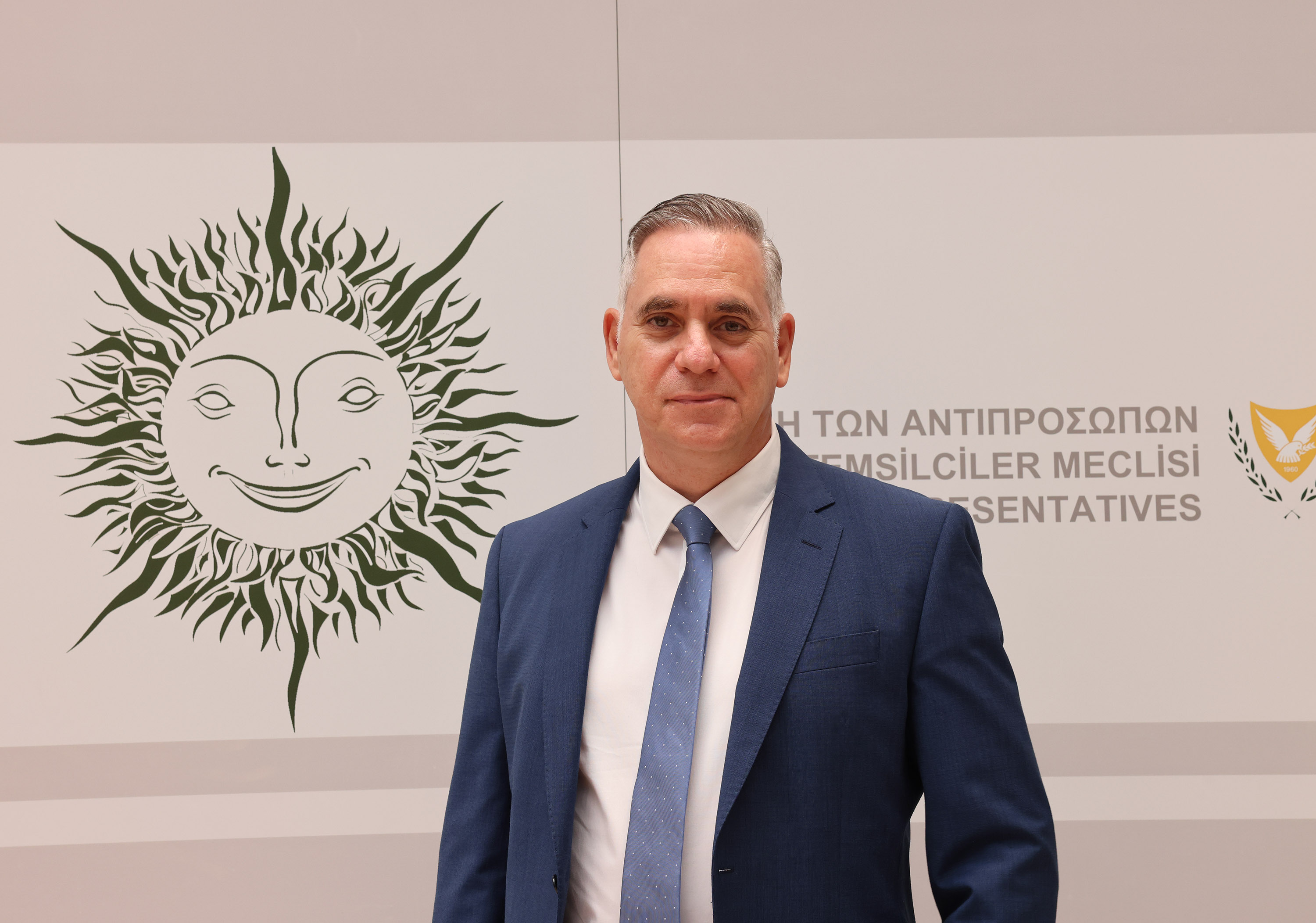
Diko leader Nicholas Papadopoulos on Wednesday came out in favour of the creation of return hubs in third countries for irregular migrants who arrive in Europe, siding with Danish Prime Minister Mette Frederiksen, one of the key proponents of the idea, amid opposition from inside the Party of European Socialists, the centre-left European political group to which they both belong.
“We are in favour of it. We are in favour of return hubs for asylum seekers whose applications have been processed here, and who have been rejected, of course with the exception of minors and vulnerable groups,” he told the Cyprus Mail.
He added that the plan, which was put forward by the governments of Denmark, Austria, Germany, Greece and the Netherlands earlier this month, and would see irregular migrants relocated to Rwanda is a “good idea”, before stressing that this plan is different to the initial return hub plan put forward by the United Kingdom in 2022.
“The original British plan was to send migrants to Rwanda to have their asylum claims processed, and that is why it faced such problems in the courts. Our position is that following the rejection of an asylum claim, we would be in favour of relocating these people to Rwanda or other third countries with which we may strike agreements,” he said.
Were the plan to be implemented, he added, “it would likely do away with bad-faith asylum applications”, given the potential consequences of rejection.
“Once in Rwanda, they will then have the choice of integrating into Rwandan society or returning to their countries of origin,” he said.
Frederiksen came under fire from Europe’s centre-left
His comments come after Frederiksen came under fire this week in the European Parliament for her position, with Socialists & Democrats’ group leader Iratxe Garcia, with whom Diko’s Costas Mavrides caucuses, saying that S&D members will hold internal discussions on the issue “as soon as possible”.
“There is no doubt about the positions defended by our political family. The respect of international law is a crucial element,” she said.
She added that while “we can open up again an internal debate on migration policy”, the S&D group “already has a position on return hubs”, which, she said, “have no legal ground and are not in line with international law”.
Meanwhile, Euronews quoted a “senior” member of the S&D group as having said that “for now, no one is taking [Frederiksen’s] side”, though she does now at the very least to have Diko in her corner.
Cypriot govt ‘interested’, will discuss with EU partners next week
Papadopoulos’ position is shared by the Cypriot government at large, with the migration deputy ministry having told the Cyprus Mail last week that “we are interested in participating in the initiative, and we have already discussed this with the five member states which form the core of the initiative”.
It added that deputy minister Nicholas Ioannides plans to discuss the issue with ministers from the five states which are collaborating thus far, at the Council of the EU’s next justice and home affairs (JHA) council, which will take place on Thursday and Friday next week.
Rwanda says it can provide ‘safe, legal, dignified solution’
The EU’s institutions agreed in June on a new migration regulation, which, among other things, foresees the opening of return hubs in third countries, to which irregular migrants can be sent.
Migrants can as such now be sent from an EU member state to a return hub in a third country, provided that the member state in which they find themselves has an agreement with the third country and that the third country respects international human rights standards.
However, plans to establish a return hub in Rwanda have been met with international concern, with United Nations high commissioner for human rights Volker Turk, himself an Austrian national, saying that he is “concerned about the human rights risks raised” by the plan, and that Rwanda “has its own set of human rights challenges”.
Rwandan Interior Minister Vincent Biruta, however, insisted on Monday that his is a “welcoming country for refugees and migrants”, and that his government is “committed to working with European partners to provide a safe, legal and dignified solution”.
“We believe this partnership will ultimately save lives by helping to stop criminal human smugglers who profit from migrants making desperate, dangerous journeys,” he said.




Click here to change your cookie preferences